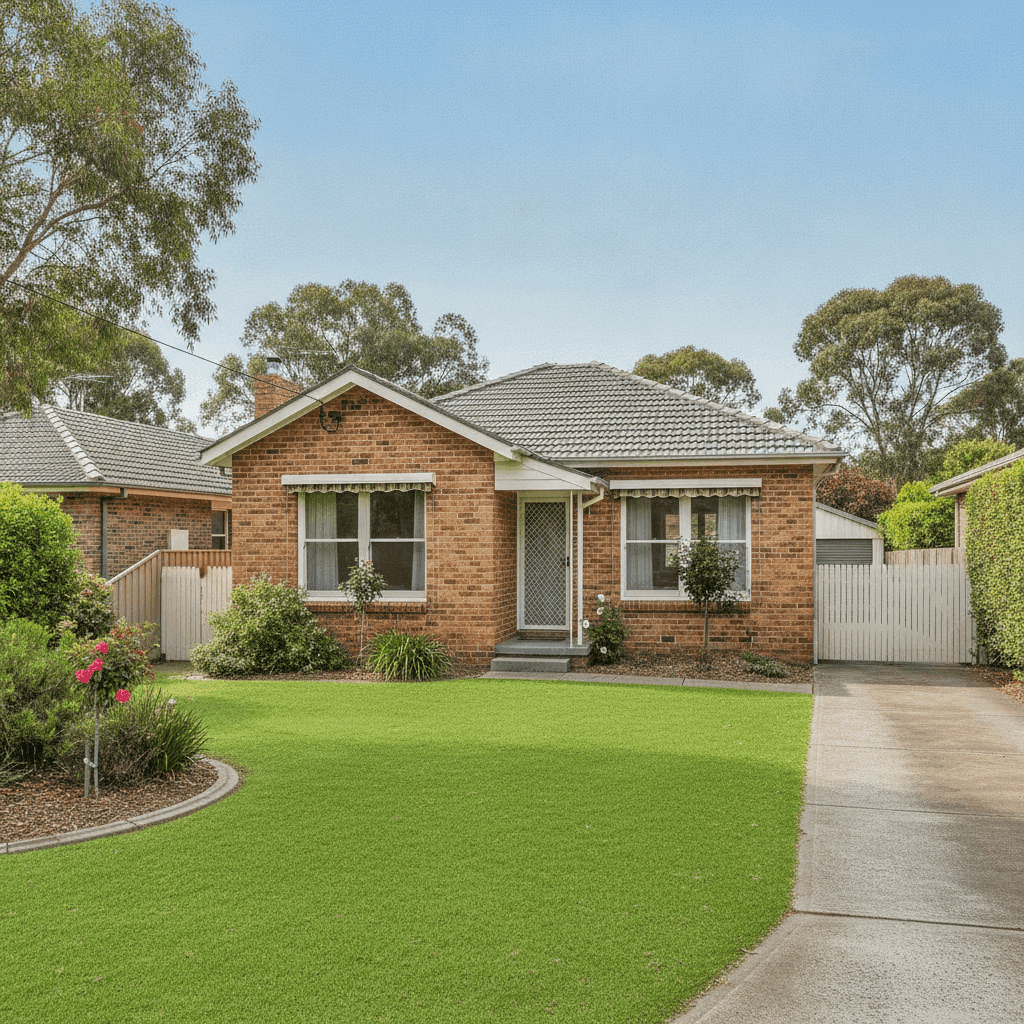
Toronto is a lakeside suburb on the western shores of Lake Macquarie, about 25 kilometres south of Newcastle. It's a popular spot for families and lake-lovers alike, offering a relaxed lifestyle with solid suburban infrastructure. If you own a free standing home in this area, understanding what you should be paying for home and contents insurance — and why — can make a real difference to your household budget.
This article breaks down a recent insurance quote for a four-bedroom, two-bathroom brick veneer home in Toronto (NSW 2283), comparing it against local, state, and national benchmarks to help you make a more informed decision.
---
Is This Quote Fair?
The quote in question comes in at $3,654 per year (or $350 per month) for combined home and contents cover, with a building sum insured of $683,000 and contents valued at $215,000. Both the building and contents carry a $1,000 excess.
Based on our pricing data, this quote is rated Expensive — above average for the Toronto area. To put that in perspective:
- The suburb average for Toronto (2283) is $2,516/yr
- The suburb median sits at $2,420/yr
- The 75th percentile — meaning only 25% of quotes are higher — is $3,057/yr
At $3,654, this quote sits well above the 75th percentile for the suburb, meaning the vast majority of comparable properties in Toronto are insured for less. That's a meaningful gap worth investigating before simply accepting the renewal or first quote you receive.
That said, it's important to remember that premiums are highly individualised. The building's sum insured ($683,000) and contents value ($215,000) are on the higher end, and these figures directly influence the premium. Insurers also weigh up factors like construction type, age of the home, and proximity to risk zones — all of which we'll explore below.
---
How Toronto Compares
To get a clearer picture, it helps to zoom out and look at how Toronto stacks up against broader benchmarks. You can explore the full data on our Toronto suburb stats page, the NSW state overview, and national insurance statistics.
| Benchmark | Average Premium | Median Premium |
|---|---|---|
| Toronto (2283) | $2,516/yr | $2,420/yr |
| NSW (State) | $9,528/yr | $3,770/yr |
| National | $5,347/yr | $2,764/yr |
| Lake Macquarie LGA | $11,064/yr | — |
A few things stand out here. The NSW state average of $9,528 is dramatically higher than the suburb average, which reflects the outsized influence of high-risk, high-value properties across the state — particularly in flood-prone, bushfire-affected, or coastal areas. The median is a more reliable indicator for typical homeowners, and at $3,770 for NSW, Toronto's median of $2,420 is actually quite competitive.
The Lake Macquarie LGA average of $11,064 is notably elevated, again likely skewed by waterfront properties and higher-value homes across the broader council area. Toronto itself appears to sit at the more affordable end of the LGA spectrum, which is reassuring for local homeowners.
At a national level, the median of $2,764 is close to Toronto's own median, suggesting the suburb is broadly in line with typical Australian pricing — though this particular quote is running above that benchmark.
---
Property Features That Affect Your Premium
Several characteristics of this property influence how insurers price the risk:
Brick Veneer Construction Brick veneer is one of the most common wall types in Australian suburban homes built from the 1980s onwards. Insurers generally view it favourably — it offers solid fire resistance and structural durability — which can help keep premiums moderate compared to timber-framed or lightweight construction.
Tiled Roof Concrete or terracotta tiles are considered a lower-risk roofing material by most insurers. They're durable, fire-resistant, and less susceptible to storm damage than corrugated iron or Colorbond in many scenarios. This is a positive factor for pricing.
Slab Foundation A concrete slab foundation is standard for homes of this era and is generally well-regarded by insurers. It reduces the risk of subsidence and pest-related structural damage compared to older suspended timber floors.
Built in 2001 At around 24 years old, this home sits in a comfortable middle ground — newer enough to meet modern building codes, but old enough that some components (roofing, plumbing, electrical) may be approaching the age where maintenance becomes important. Keeping on top of upkeep can prevent claims and, in turn, help manage premiums over time.
214 sqm Floor Area with Ducted Climate Control A 214 sqm home is a generous size, and the inclusion of ducted climate control adds to the replacement cost. Ducted systems are expensive to replace and are factored into both the building sum insured and the overall risk profile.
No Pool, No Solar Panels The absence of a pool removes a common liability risk, while no solar panels means one less complex system to insure. Both of these simplify the risk profile slightly.
Standard Fittings Standard-grade fittings (as opposed to premium or high-end) generally result in lower rebuild costs per square metre, which is a moderating factor on the building sum insured — though at $683,000, the total is still substantial for a 214 sqm home.
---
Tips for Homeowners in Toronto
1. Shop around — seriously With this quote sitting above the 75th percentile for the suburb, there's a strong case for comparing alternatives. Insurers use different risk models, and the same property can attract very different premiums across providers. Use a comparison tool like CoverClub to see what else is available.
2. Review your sum insured carefully It's worth double-checking whether $683,000 accurately reflects the current rebuild cost of your home — not its market value. Overinsuring pushes up your premium unnecessarily, while underinsuring leaves you exposed at claim time. A quantity surveyor or your insurer's online calculator can help you land on the right figure.
3. Consider your excess strategically Both the building and contents excess are set at $1,000. Opting for a higher excess — say $2,000 — can meaningfully reduce your annual premium. If you have a solid emergency fund and haven't made claims in recent years, this trade-off often makes financial sense.
4. Maintain your home proactively Insurers may decline or reduce claims related to gradual wear and tear. For a home built in 2001, it's worth scheduling periodic checks on your roof tiles, gutters, plumbing, and electrical systems. Keeping records of maintenance can also support your position if a dispute arises.
---
Compare Your Options with CoverClub
Whether you're reviewing an existing policy or shopping for the first time, it pays to know where your quote sits relative to the market. CoverClub makes it easy to compare home and contents insurance quotes for properties across Toronto and the broader Lake Macquarie region. Get a quote today and see if you can find better value without compromising on cover.