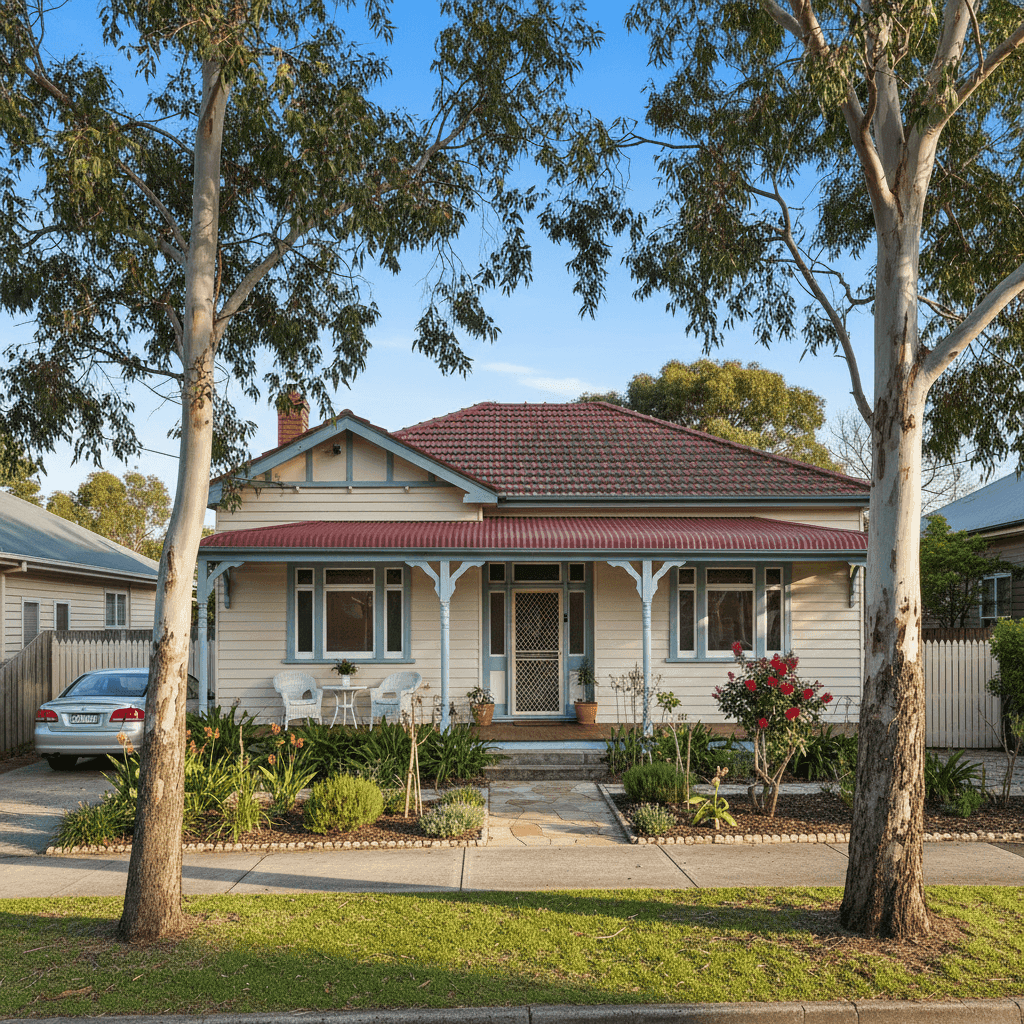
If you own a free standing home in Toronto, NSW 2283, you already know the appeal — a relaxed lakeside lifestyle on the shores of Lake Macquarie, with leafy streets and a strong sense of community. But when the home insurance renewal lands in your inbox, that lifestyle can feel a little expensive to protect. This article breaks down a recent building-only insurance quote for a three-bedroom weatherboard home in Toronto, puts the numbers in context, and offers practical advice for keeping your premium in check.
---
Is This Quote Fair?
The quote in question sits at $9,158 per year (or $878 per month) for building-only cover, with a $1,000 building excess and a sum insured of $379,000.
Our price rating for this quote is EXPENSIVE — Above Average.
To understand why, it helps to look at what other homeowners in the same postcode are paying. According to CoverClub's Toronto suburb data, the suburb average premium is $2,516 per year, with a median of $2,420. The 25th percentile sits at $1,605 and the 75th at $3,057 — meaning the vast majority of comparable quotes in the area come in well below $9,158.
At more than 3.6 times the suburb average, this quote is a significant outlier within the postcode. That said, it's worth noting that the NSW state average is $9,528 per year, so while the quote is expensive relative to local peers, it's broadly in line with what some NSW homeowners are paying statewide. The LGA average for Lake Macquarie is even higher at $11,064 per year, which suggests that insurers are pricing Lake Macquarie properties with elevated risk in mind — even if the local suburb median tells a different story.
The bottom line? This quote is expensive compared to most Toronto homeowners, and shopping around is strongly recommended.
---
How Toronto Compares
Putting Toronto in a broader context helps reveal just how much premiums can vary across the country. Here's a quick snapshot:
| Benchmark | Average Premium | Median Premium |
|---|---|---|
| Toronto (NSW 2283) | $2,516/yr | $2,420/yr |
| New South Wales | $9,528/yr | $3,770/yr |
| National | $5,347/yr | $2,764/yr |
A few things stand out from this data. First, the gap between the NSW average and median is enormous — $9,528 vs $3,770. This tells us that a relatively small number of very high-priced quotes are pulling the state average up considerably, likely driven by high-risk properties in flood-prone, bushfire-affected, or cyclone-exposed areas. Second, Toronto's suburb median of $2,420 is actually below the national median of $2,764, suggesting that for most homeowners in the area, Toronto is a reasonably affordable place to insure a home.
You can explore the full NSW insurance data and national benchmarks on CoverClub to dig deeper into how your postcode stacks up.
---
Property Features That Affect Your Premium
Several characteristics of this particular property are likely contributing to the higher-than-average quote. Understanding these factors can help you have a more informed conversation with your insurer — or make targeted improvements.
Weatherboard Timber Walls
Weatherboard construction is charming and common in older Australian suburbs like Toronto, but insurers view it as a higher risk than brick veneer or double brick. Timber is more susceptible to fire, rot, and pest damage, which typically translates to higher premiums. Homes with brick or rendered external walls generally attract lower rates.
Tiled Roof
A tiled roof is generally viewed favourably by insurers compared to corrugated iron or older materials, as tiles offer good durability and weather resistance. This is a neutral-to-positive factor in the premium calculation.
Stump Foundation
Homes built on stumps — common for properties constructed in the 1960s in NSW — can be more vulnerable to movement, subsidence, and moisture-related issues. This can raise insurer concerns, particularly in areas with reactive soils or near water.
Age of Construction (1965)
At roughly 60 years old, this home falls into an age bracket that many insurers consider higher risk. Older homes may have ageing electrical wiring, plumbing, and structural elements that increase the likelihood of a claim. Some insurers apply age loadings to properties built before a certain year.
Timber and Laminate Flooring
While not a major premium driver on its own, timber flooring can be costly to repair or replace following water damage — a relevant consideration given Toronto's proximity to Lake Macquarie.
Ducted Climate Control
The presence of ducted climate control adds to the replacement value of the home, which is reflected in the sum insured. This is a legitimate cost driver, though it's worth ensuring the sum insured accurately reflects rebuild costs rather than being over-inflated.
---
Tips for Homeowners in Toronto
1. Compare Multiple Quotes
This is the single most impactful thing you can do. Given that the suburb median sits around $2,420 and this quote came in at $9,158, there is clearly significant variation between insurers. Use CoverClub's free quote comparison tool to see what other providers are offering for the same property.
2. Review Your Sum Insured
Make sure your sum insured reflects the actual cost to rebuild your home — not its market value. Over-insuring is a common and costly mistake. For a 130 sqm weatherboard home in regional NSW, it's worth getting an independent building cost estimate to ensure your $379,000 sum insured is accurate and not inflated.
3. Consider Increasing Your Excess
A $1,000 excess is fairly standard, but opting for a higher excess (say, $2,000 or $2,500) can meaningfully reduce your annual premium. This strategy works best if you have sufficient savings to cover the excess in the event of a claim and you're not making frequent small claims.
4. Maintain the Property Proactively
For older weatherboard homes on stumps, regular maintenance goes a long way — both in protecting the property and in demonstrating to insurers that the home is well cared for. Keeping gutters clear, re-stumping where necessary, and addressing any electrical upgrades can reduce your risk profile over time and may open the door to better rates at renewal.
---
Ready to Find a Better Deal?
If your home insurance quote feels steep, you don't have to accept it. CoverClub makes it easy to compare building insurance quotes from multiple Australian insurers in one place — no phone calls, no pressure. Simply enter your property details and see what the market is offering.
Get a free quote comparison at CoverClub →
You can also explore detailed premium data for Toronto and the Lake Macquarie area to see exactly how your quote stacks up against your neighbours.