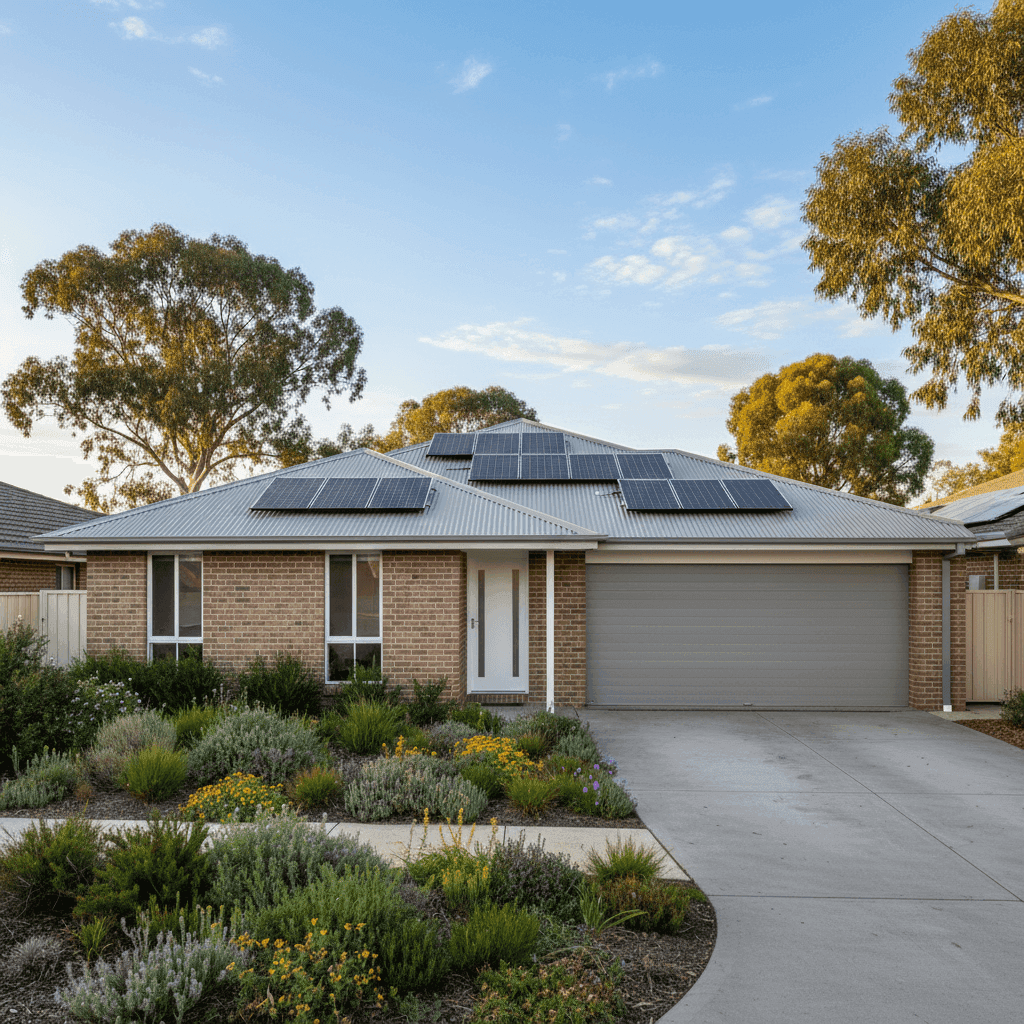
Home insurance in regional Queensland can be a mixed bag — premiums vary wildly depending on where you live, what your home is made of, and how much cover you need. This article takes a close look at a real home and contents insurance quote for a three-bedroom, free standing home in Torquay, QLD 4655, breaking down whether the price is competitive and what factors are likely driving the cost.
---
Is This Quote Fair?
The quote in question comes in at $2,495 per year (or $239/month) for combined home and contents cover, with a building sum insured of $595,000 and contents valued at $90,000. Both the building and contents excess are set at $500.
Our price rating for this quote is FAIR — Around Average, which is a reasonable outcome for a property of this type and location. It's not the cheapest cover on the market, but it's also well within the normal range for Torquay and reflects a solid level of protection given the sum insured.
For context, a "Fair" rating means the premium is broadly in line with what other homeowners in the area are paying, without being a standout bargain or an obvious overpay. If you're looking to do better, there's room to shop around — but this isn't a quote you'd want to dismiss outright.
---
How Torquay Compares
To understand whether this premium makes sense, it helps to look at the bigger picture. Here's how the $2,495 annual premium stacks up across different benchmarks:
| Benchmark | Premium |
|---|---|
| This Quote | $2,495/yr |
| Torquay Suburb Average | $2,340/yr |
| Torquay Suburb Median | $2,527/yr |
| Torquay 25th Percentile | $1,134/yr |
| Torquay 75th Percentile | $3,266/yr |
| QLD State Average | $9,129/yr |
| QLD State Median | $3,903/yr |
| National Average | $5,347/yr |
| National Median | $2,764/yr |
(Based on a sample of 30 quotes for the Torquay 4655 area. [View full suburb stats](https://coverclub.com.au/stats/QLD/4655/torquay).)
A few things stand out here. First, this quote sits almost exactly on the suburb median of $2,527 — meaning roughly half of Torquay homeowners are paying more. Second, and perhaps most striking, is just how much lower Torquay premiums are compared to the broader Queensland average of $9,129 per year. That's a massive difference, and it largely comes down to risk classification.
Much of Queensland — particularly in the north and along cyclone-prone coastlines — attracts significantly higher premiums due to extreme weather exposure. Torquay, located near Hervey Bay in the Wide Bay region, benefits from a comparatively lower risk profile. It's not classified as a cyclone risk area, which makes a substantial difference to what insurers charge. See how QLD premiums compare statewide, or check out the national picture for further context.
---
Property Features That Affect Your Premium
Every property is unique, and insurers assess dozens of variables when calculating a premium. Here's how the specific features of this home likely influence the cost:
Brick Veneer Walls Brick veneer is generally viewed favourably by insurers. It's durable, fire-resistant, and performs well in storms compared to lightweight cladding or weatherboard. This construction type typically attracts more competitive premiums.
Steel / Colorbond Roof Colorbond steel roofing is a popular choice in Australian homes and is well-regarded by insurers for its resilience. It handles wind and rain effectively and is less susceptible to rot or pest damage than older materials like tiles or fibro.
Concrete Slab Foundation A slab foundation is considered a stable, low-risk base. It reduces the likelihood of subsidence-related claims and is generally preferred over older stumped or pier-and-beam foundations.
Solar Panels The property has solar panels installed, which adds to the overall replacement value of the home. Insurers need to factor in the cost of replacing panels in the event of damage, which can contribute modestly to the premium. It's worth confirming with your insurer that solar panels are explicitly covered under your policy.
Ducted Climate Control Ducted air conditioning systems are a significant fixed asset and can be costly to repair or replace. Their inclusion in the building sum insured is appropriate and may slightly influence the premium.
Above Average Fittings Quality The fittings in this home are rated above average, which means the cost to repair or rebuild would be higher than a standard home of the same size. This is reflected in the $595,000 building sum insured for a 105 sqm home — a higher per-square-metre rate than you'd see for a more basic property.
Vinyl Flooring Vinyl is a practical, cost-effective flooring choice that's straightforward to replace. It doesn't significantly inflate the contents or building replacement cost.
---
Tips for Homeowners in Torquay
Whether you're reviewing your existing policy or shopping for cover for the first time, here are a few practical steps worth taking:
1. Check Your Building Sum Insured Carefully At $595,000 for a 105 sqm home, the sum insured reflects the above-average fittings and fixed assets like solar and ducted cooling. Make sure this figure accounts for full rebuilding costs — including demolition, materials, and labour — not just the market value of the property. Underinsurance is one of the most common problems homeowners face at claim time.
2. Confirm Solar Panel Coverage Solar panels are often a grey area in home insurance policies. Some insurers cover them automatically as part of the building; others require them to be listed separately. Ask your insurer directly and get confirmation in writing.
3. Review Your Contents Sum Insured Annually $90,000 in contents cover is a reasonable starting point, but it's easy for this figure to fall behind as you accumulate furniture, electronics, appliances and personal items over time. Do a quick walk-through of your home each year and update your estimate accordingly.
4. Compare Quotes Before Renewal Even if your current premium feels fair, the insurance market shifts regularly. New insurers enter the market, and existing ones reprice their books. Spending 10–15 minutes comparing quotes at renewal time can result in meaningful savings — or at least the confidence that you're already on a good deal.
---
Ready to Compare?
Whether this quote is your current policy or one you're considering, it always pays to see what else is available. At CoverClub, we make it easy to compare home and contents insurance quotes from a range of Australian insurers — so you can make a confident, informed decision.