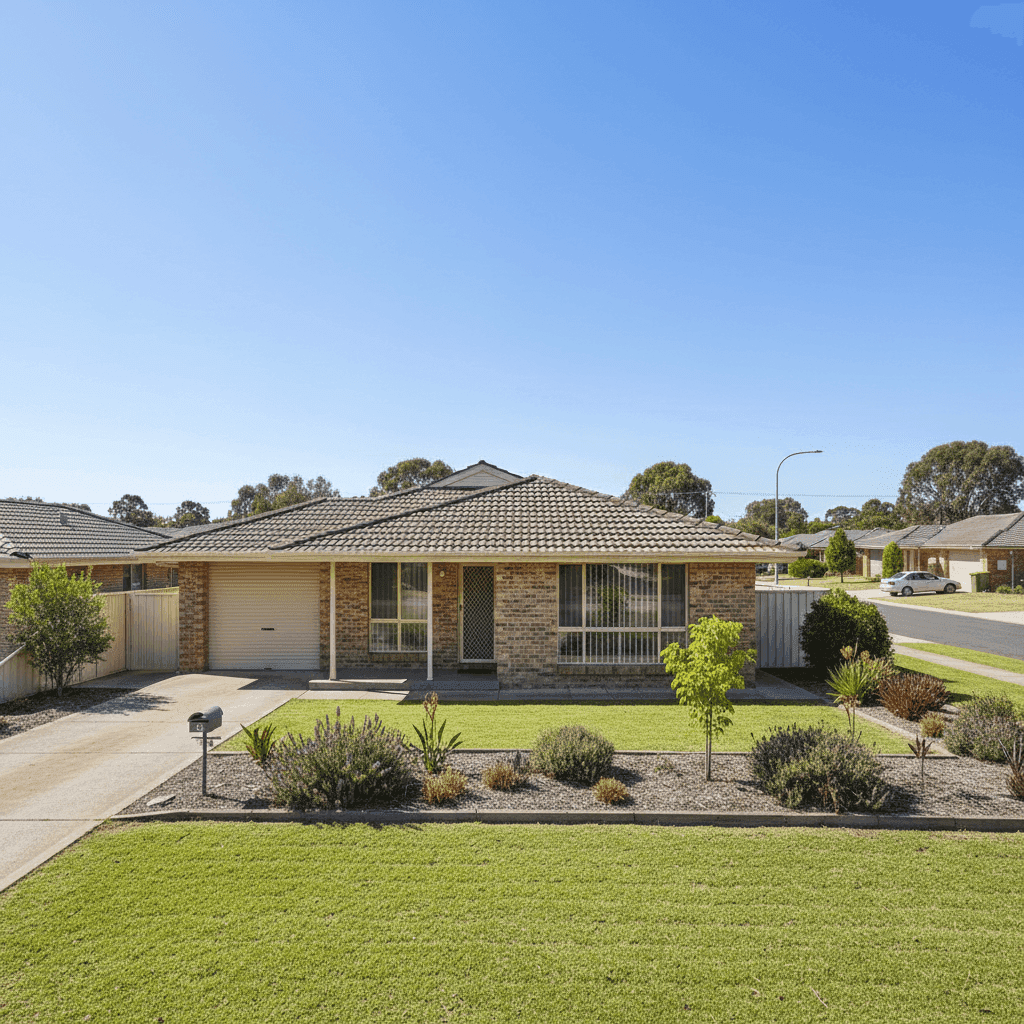
If you own a free standing home in Tottenham, NSW 2873, you've probably wondered whether you're paying too much — or too little — for home and contents insurance. This article breaks down a real quote for a three-bedroom brick veneer home in Tottenham, compares it against local, state, and national benchmarks, and offers practical tips to help you make the most of your cover.
---
Is This Quote Fair?
The short answer: yes — and then some. This quote came in at $1,222 per year (or roughly $125 per month), which our pricing model rates as cheap — meaning it sits below the average for comparable properties. That's a strong result for a home insured for $596,000 in building cover and $180,000 in contents.
To put that in perspective, the NSW state average for home and contents insurance is a hefty $9,528 per year, with a median of $3,770. Nationally, the average sits at $5,347, with a median of $2,764. Even the Bogan LGA average — the local government area that includes Tottenham — comes in at $2,207 per year.
At $1,222, this quote is less than half the LGA average, well under a third of the NSW median, and a fraction of what many Australians pay. For homeowners in Tottenham, this represents genuinely competitive pricing.
It's worth noting that the building excess is set at $3,000 and the contents excess at $1,000. Higher excesses are one of the key levers that bring premiums down — so while the annual cost looks attractive, you'd need to cover more out of pocket in the event of a claim. Whether that trade-off suits you depends on your financial buffer and risk appetite.
---
How Tottenham Compares
Tottenham is a small rural town in central-western New South Wales, and its insurance pricing reflects some of the advantages of regional living — lower property density, reduced crime exposure, and a relatively stable claims environment compared to coastal or flood-prone areas.
Unfortunately, there isn't enough suburb-level data to publish a specific Tottenham average, but you can explore what data is available at the Tottenham NSW 2873 insurance stats page.
What we can say is that the Bogan LGA average of $2,207 provides a useful local yardstick. Sitting well below that figure, this quote suggests the property's characteristics — and the insurer's assessment of local risk — are working in the homeowner's favour.
For broader context, check out NSW home insurance statistics or the national home insurance data to see how your premium stacks up across the country.
| Benchmark | Annual Premium |
|---|---|
| This quote | $1,222 |
| Bogan LGA average | $2,207 |
| NSW median | $3,770 |
| NSW average | $9,528 |
| National median | $2,764 |
| National average | $5,347 |
---
Property Features That Affect Your Premium
Insurers don't pull numbers out of thin air — every detail about your property feeds into the final premium. Here's how the features of this particular home likely influenced the quote:
Brick Veneer Walls
Brick veneer is one of the most common and well-regarded external wall materials in Australia. It offers solid fire resistance and durability, which insurers generally view favourably. Compared to timber weatherboard or lightweight cladding, brick veneer tends to attract more competitive premiums.
Tiled Roof
Terracotta or concrete tiles are considered a low-risk roofing material. They're durable, fire-resistant, and less susceptible to storm damage than some alternatives. A tiled roof on a 1997-built home should still be in reasonable condition, which supports a lower premium.
Slab Foundation
A concrete slab foundation is the standard for many Australian homes built in the 1990s and is generally regarded as stable and low-risk. It avoids the moisture and pest vulnerabilities sometimes associated with raised timber stumps.
Built in 1997
At around 27–28 years old, this home is neither brand new nor ageing. It was built under modern building codes that introduced improved structural standards, but it's old enough that some components — roofing, plumbing, electrical — may be approaching the end of their service life. Insurers factor in age when assessing replacement costs and risk.
Ducted Climate Control
Ducted air conditioning systems add value to a home but also introduce mechanical complexity. If the system were to be damaged in an insured event, it could be costly to repair or replace — which is reflected in the sum insured rather than necessarily driving up the base premium.
Not in a Cyclone Risk Area
Tottenham is well inland and not classified as a cyclone risk zone. This is a meaningful advantage — cyclone-rated premiums in northern Queensland and parts of WA can be dramatically higher. Homeowners in Tottenham benefit from this lower natural hazard profile.
Elevated Less Than 1 Metre
The property sits slightly elevated, which can assist with drainage and reduce flood exposure compared to ground-level homes. Being under one metre of elevation means it doesn't attract the additional structural loading requirements of higher-set homes, keeping costs straightforward.
---
Tips for Homeowners in Tottenham
Even with a competitive quote in hand, there's always room to optimise your home insurance. Here are four practical steps worth considering:
- Review your sum insured annually. Building costs have risen sharply across Australia in recent years. A $596,000 sum insured may have been accurate when the policy was taken out, but construction costs can shift significantly. Use a building cost calculator or speak with a local builder to ensure you're not underinsured.
- Consider your excess carefully. This policy carries a $3,000 building excess. If a storm caused $3,500 in damage, you'd only claim $500 — and potentially trigger a premium increase at renewal. Think about whether a slightly higher premium with a lower excess might serve you better in the long run.
- Audit your contents value. $180,000 in contents cover is a reasonable starting point, but many homeowners either over- or under-estimate what they own. A room-by-room inventory — including electronics, furniture, appliances, clothing, and tools — can help you land on the right figure and avoid surprises at claim time.
- Ask about discounts. Some insurers offer reduced premiums for bundling home and contents (as this policy does), installing security systems, or maintaining a claims-free history. It's always worth asking what's available — you may find savings that aren't automatically applied.
---
Compare Quotes and Find Better Value
Whether you're renewing your existing policy or shopping for the first time, comparing quotes is the single most effective way to ensure you're not overpaying. CoverClub makes it easy to see what's available for your specific property and location.
Get a home insurance quote for your Tottenham property today — it takes just a few minutes and could save you hundreds of dollars a year.