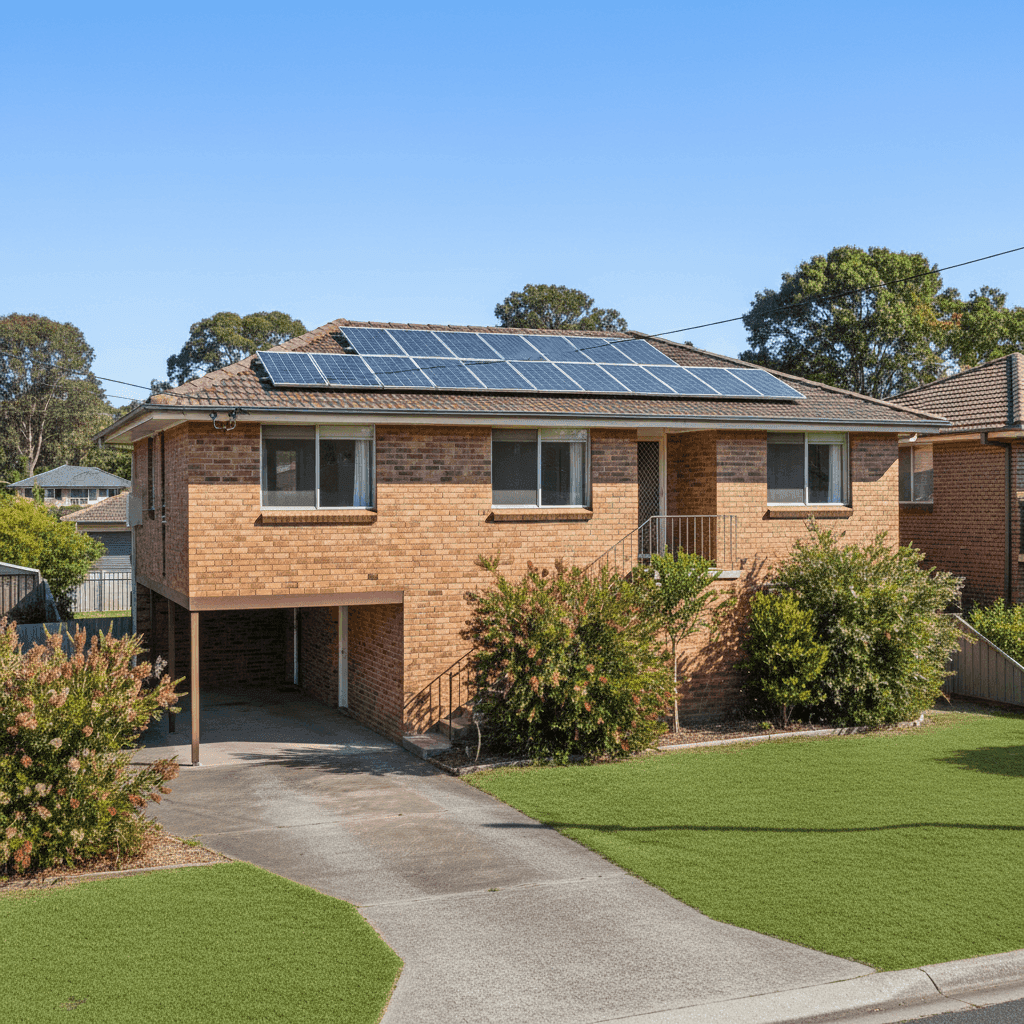
Townsend is a quiet residential locality in the Clarence Valley, sitting just inland from the NSW Mid North Coast. It's a popular spot for families drawn to its relaxed pace, proximity to the Clarence River, and affordable housing stock — including plenty of free-standing brick homes that have stood since the 1970s. But owning a home here comes with its own insurance considerations, and understanding what you're paying — and why — can make a real difference to your hip pocket.
This article breaks down a recent home and contents insurance quote for a 4-bedroom free-standing home in Townsend, NSW 2463, and puts it in context against local, state, and national benchmarks.
---
Is This Quote Fair?
The quote in question comes in at $24,515 per year (or $2,349/month) for combined home and contents cover, with a building sum insured of $628,000 and contents valued at $50,000. Both the building and contents excess are set at $1,000.
Our price rating for this quote is Expensive — Above Average.
To put that into perspective: the suburb average for Townsend sits at just $2,354 per year, with a median of $2,315. That means this particular quote is running at more than ten times what most comparable properties in the postcode are paying. Even at the 75th percentile — meaning 75% of quotes in the area are cheaper — the figure is only $2,545 per year.
So what's driving this significant premium? A combination of factors is almost certainly at play, including the high building sum insured ($628,000 is well above what many older homes in the area are insured for), the age and construction style of the property, and potentially the insurer's own risk appetite for this region. It's worth shopping around — different insurers price these variables very differently.
---
How Townsend Compares
Understanding your premium in isolation doesn't tell the full story. Here's how Townsend stacks up against broader benchmarks:
| Benchmark | Average Premium | Median Premium |
|---|---|---|
| Townsend (NSW 2463) | $2,354/yr | $2,315/yr |
| Clarence Valley LGA | $31,244/yr | — |
| New South Wales | $9,528/yr | $3,770/yr |
| National | $5,347/yr | $2,764/yr |
A few things stand out here. First, the NSW state average of $9,528 is heavily skewed by high-risk and high-value properties across the state — the median of $3,770 is a more realistic benchmark for typical NSW homeowners. Similarly, the national average of $5,347 is pulled upward by cyclone-prone regions in Queensland and WA, with the national median sitting at $2,764.
What's particularly striking is the Clarence Valley LGA average of $31,244 — one of the highest LGA averages in the country. This reflects the mix of high-value rural and riverfront properties, flood-affected land, and large farm holdings that sit within the broader Clarence Valley council area. Townsend itself, however, appears to be a relative pocket of affordability within the LGA, with suburb-level quotes clustering well below that LGA figure.
The quote analysed here — at $24,515 — sits closer to the LGA average than the suburb average, which suggests the insurer may be pricing in broader regional risk factors, or that the high building sum insured is doing a lot of heavy lifting.
---
Property Features That Affect Your Premium
Every property has a unique risk profile, and insurers weigh up a range of features when calculating your premium. Here's how the characteristics of this particular home are likely influencing the cost:
Brick Veneer Walls & Tiled Roof Brick veneer construction is generally viewed favourably by insurers — it's more fire-resistant than timber weatherboard and holds up reasonably well in storms. A tiled roof similarly scores well for durability, though older tiles can become brittle and may be more susceptible to hail damage over time.
Stump Foundation Homes built on stumps — common in regional NSW, particularly for properties built in the 1960s and 70s — can present some risk considerations. Timber stumps may deteriorate over time, and properties elevated off the ground can be more vulnerable to flood inundation (water flowing beneath the floor) and wind uplift. Insurers may factor this in, particularly in areas near waterways like the Clarence River.
Construction Year: 1972 A home built in 1972 is over 50 years old, which means it may not meet current building codes for things like electrical wiring, plumbing, and structural integrity. Older homes can cost more to repair or rebuild to modern standards, which is one reason the $628,000 building sum insured may be appropriate — and why premiums can run higher.
Solar Panels & Ducted Climate Control The presence of solar panels adds value to the property and increases the cost of reinstatement. Ducted climate control systems are similarly expensive to repair or replace. Both features are worth noting when reviewing your sum insured to ensure you're not underinsured.
Timber & Laminate Flooring Timber flooring can be costly to repair or replace following water damage or flooding, and this is factored into contents and building cover assessments.
---
Tips for Homeowners in Townsend
1. Review your building sum insured carefully At $628,000, this property is insured for a significant rebuild value. It's worth getting an independent building valuation to confirm this figure is accurate — being overinsured means you're paying more than necessary, while being underinsured can leave you seriously out of pocket after a claim. Use a quantity surveyor or an online rebuild calculator as a starting point.
2. Compare quotes from multiple insurers The gap between this quote ($24,515) and the suburb median ($2,315) is extraordinary. While some of that difference may be justified by the high sum insured, it's still worth getting at least three to four competing quotes. Insurers price risk very differently, and the savings available can be substantial. Get a quote at CoverClub to see what's available in your area.
3. Check your flood and water damage inclusions Given Townsend's proximity to the Clarence River system, it's essential to confirm whether your policy includes flood cover — and how your insurer defines "flood" versus "storm surge" or "rainwater runoff." These distinctions matter enormously at claim time, and not all policies treat them the same way.
4. Ask about discounts for security and safety features Homes with monitored alarm systems, deadbolts, and smoke detectors often attract premium discounts. If your home has these features, make sure your insurer knows about them. It's a simple way to reduce your annual cost without changing your level of cover.
---
Ready to Find a Better Deal?
If you're a homeowner in Townsend or anywhere in the Clarence Valley, it pays to know what the market looks like before you renew. CoverClub makes it easy to compare home and contents insurance quotes side by side, so you can see exactly what you're getting for your money.
Check suburb-level insurance stats for Townsend or get a personalised quote today — it takes just a few minutes and could save you thousands.