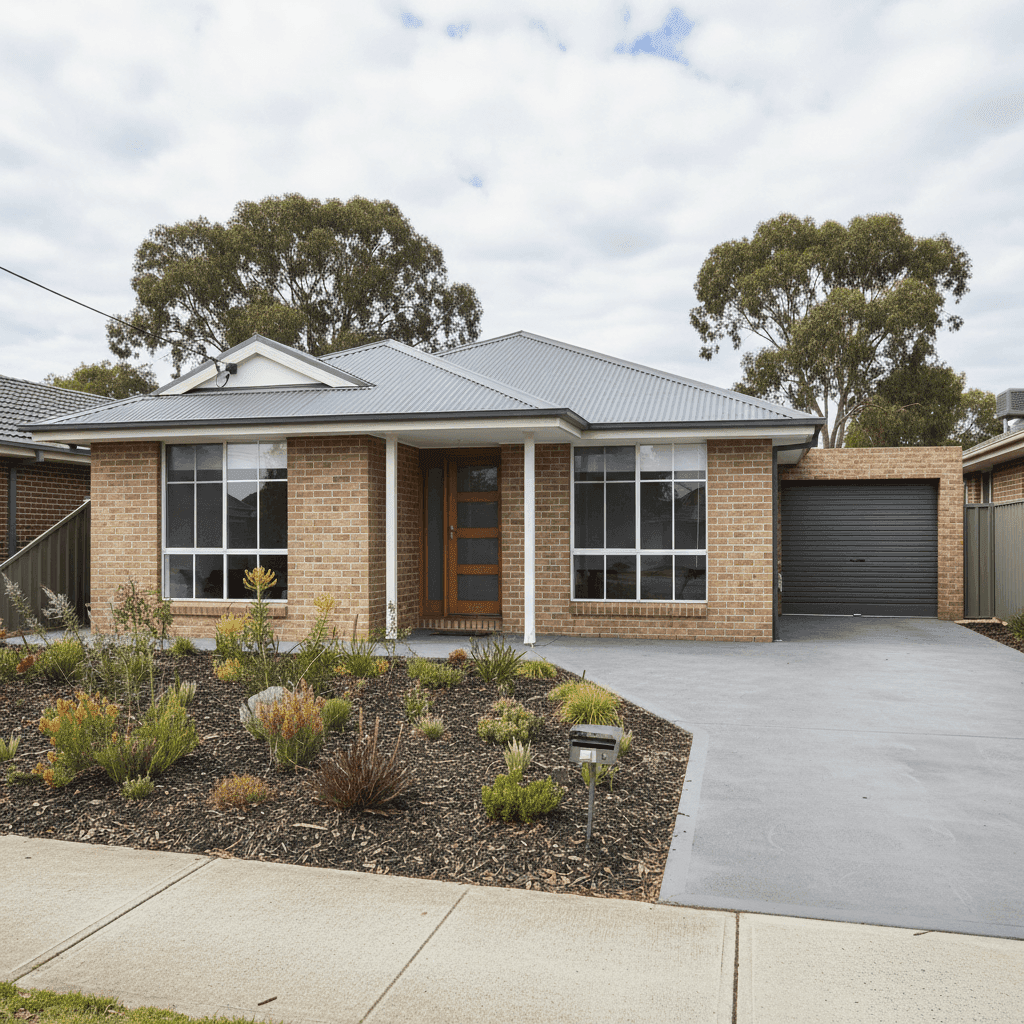
If you own a free standing home in Traralgon, VIC 3844, you're probably curious about whether you're paying a fair price for home insurance — or whether there's room to do better. Traralgon is the largest city in the Latrobe Valley, offering a mix of established suburbs, modern builds, and a strong sense of community. It's also a region where understanding your insurance costs can make a real difference to your household budget. This article breaks down a recent home and contents insurance quote for a 3-bedroom, 2-bathroom brick veneer home in Traralgon, comparing it against local, state, and national benchmarks.
---
Is This Quote Fair?
The quoted annual premium of $2,230 per year (or $231/month) covers both building and contents, with a building sum insured of $750,000 and contents valued at $50,000. The building excess sits at $3,000, while the contents excess is a more modest $1,000.
Based on CoverClub's pricing data, this quote has been rated Fair — Around Average. That's a reasonable outcome, but it doesn't necessarily mean you're getting the best deal on the market. "Fair" means the premium is broadly in line with what others are paying for similar properties in the area, but there's still a meaningful spread of prices above and below this figure — which means comparison shopping could still pay off.
It's worth noting that the building excess of $3,000 is on the higher side. A higher excess lowers your premium, so if you were to reduce your excess, you might see your annual cost increase — but you'd also be better protected in the event of a smaller claim.
---
How Traralgon Compares
One of the most telling ways to evaluate any insurance quote is to place it in context. Here's how this premium stacks up across different geographic benchmarks:
| Benchmark | Average Premium | Median Premium |
|---|---|---|
| Traralgon (3844) | $2,195/yr | $2,006/yr |
| Victoria (VIC) | $3,000/yr | $2,718/yr |
| National | $5,347/yr | $2,764/yr |
| Wellington LGA | $4,409/yr | — |
At $2,230/yr, this quote sits just above the Traralgon suburb average of $2,195 and comfortably within the interquartile range (25th percentile: $1,661 — 75th percentile: $2,383). That means roughly half of all comparable quotes in the suburb come in cheaper, but the quote is still well under the 75th percentile threshold.
Compared to the Victorian state average of $3,000, this homeowner is paying around $770 less per year — a meaningful saving. And when stacked against the national average of $5,347, the Traralgon figure looks very competitive indeed. The national average is heavily influenced by high-risk areas in Queensland and Western Australia (particularly cyclone-prone coastal zones), so the lower Traralgon figure reflects the region's relatively benign risk profile.
Interestingly, the Wellington LGA average of $4,409 is considerably higher than the Traralgon suburb figure, which suggests that other parts of the Wellington LGA — which spans a large rural area — carry significantly higher premiums, likely due to bushfire exposure and remoteness. Traralgon itself benefits from being an established urban centre with good emergency services access.
---
Property Features That Affect Your Premium
Insurers assess dozens of property characteristics when calculating a premium. Here's how the features of this particular home likely influence its cost:
- Brick veneer external walls: Brick veneer is one of the most common wall types in Australian suburban homes and is generally well-regarded by insurers. It offers solid fire resistance and structural durability, which can contribute to a more competitive premium compared to timber-framed or weatherboard homes.
- Steel/Colorbond roof: Colorbond roofing is popular across Victoria and is viewed favourably by insurers due to its durability, resistance to corrosion, and performance in high-wind events. It's less susceptible to hail damage than older tile roofs, which can help keep premiums reasonable.
- Concrete slab foundation: Slab-on-ground construction is considered low-risk by most insurers. Unlike homes on stumps or piers, slabs are less vulnerable to subsidence, pest damage, and flooding from below — all factors that can push premiums up.
- Built in 2005: A home built in 2005 benefits from construction standards that incorporated improved bushfire and wind resistance requirements. It's also recent enough that major structural components are unlikely to be nearing end-of-life, which can reduce the perceived risk for insurers.
- Ducted climate control: The presence of ducted heating and cooling is a notable inclusion. This system adds to the replacement value of the home and is typically factored into the building sum insured. It's one reason why a thorough sum insured calculation matters — underinsuring a home with significant built-in systems can leave you short at claim time.
- No pool, no solar panels: The absence of a swimming pool removes a common liability risk, and no solar panels means one less complex system to insure. Both of these factors simplify the risk profile and can contribute to a cleaner, more straightforward premium.
- 169 sqm building size: At 169 square metres, this is a mid-sized family home. The $750,000 building sum insured equates to roughly $4,437 per square metre — a figure that aligns with current construction cost estimates in regional Victoria when factoring in site works, finishes, and professional fees.
---
Tips for Homeowners in Traralgon
Whether you're happy with your current policy or looking to make a change, here are some practical steps worth considering:
- Review your sum insured regularly. Construction costs in regional Victoria have risen sharply in recent years. If your building sum insured hasn't been updated to reflect current rebuild costs, you could be underinsured — meaning you'd face a shortfall if you ever needed to make a major claim. Use a building cost calculator or speak with a local builder to get a realistic estimate.
- Compare quotes before your renewal date. Insurers often reserve their best pricing for new customers, while loyal policyholders can quietly drift into higher premium territory. Set a reminder to compare at least 30 days before your renewal, giving yourself time to switch if you find a better deal. Get a fresh quote at CoverClub to see what's available.
- Consider your excess carefully. This policy carries a $3,000 building excess, which is higher than average. While a higher excess does reduce your annual premium, it also means you'll pay more out of pocket before your insurer steps in. Think about whether you could comfortably cover that amount in an emergency — if not, it may be worth adjusting.
- Check what's included in your contents cover. With $50,000 in contents cover, it's worth doing a quick audit of your belongings to make sure that figure is accurate. Many households underestimate the value of their contents, particularly when you factor in electronics, appliances, clothing, and furniture. An annual stocktake can help you avoid being underinsured when it matters most.
---
Compare Your Home Insurance Today
Whether this quote represents the right policy for your needs depends on more than just the price — it's about finding the right balance of cover, excess, and value. CoverClub makes it easy to compare home and contents insurance quotes from multiple insurers in one place, so you can make a confident, informed decision.
Start comparing home insurance quotes for your Traralgon property today →