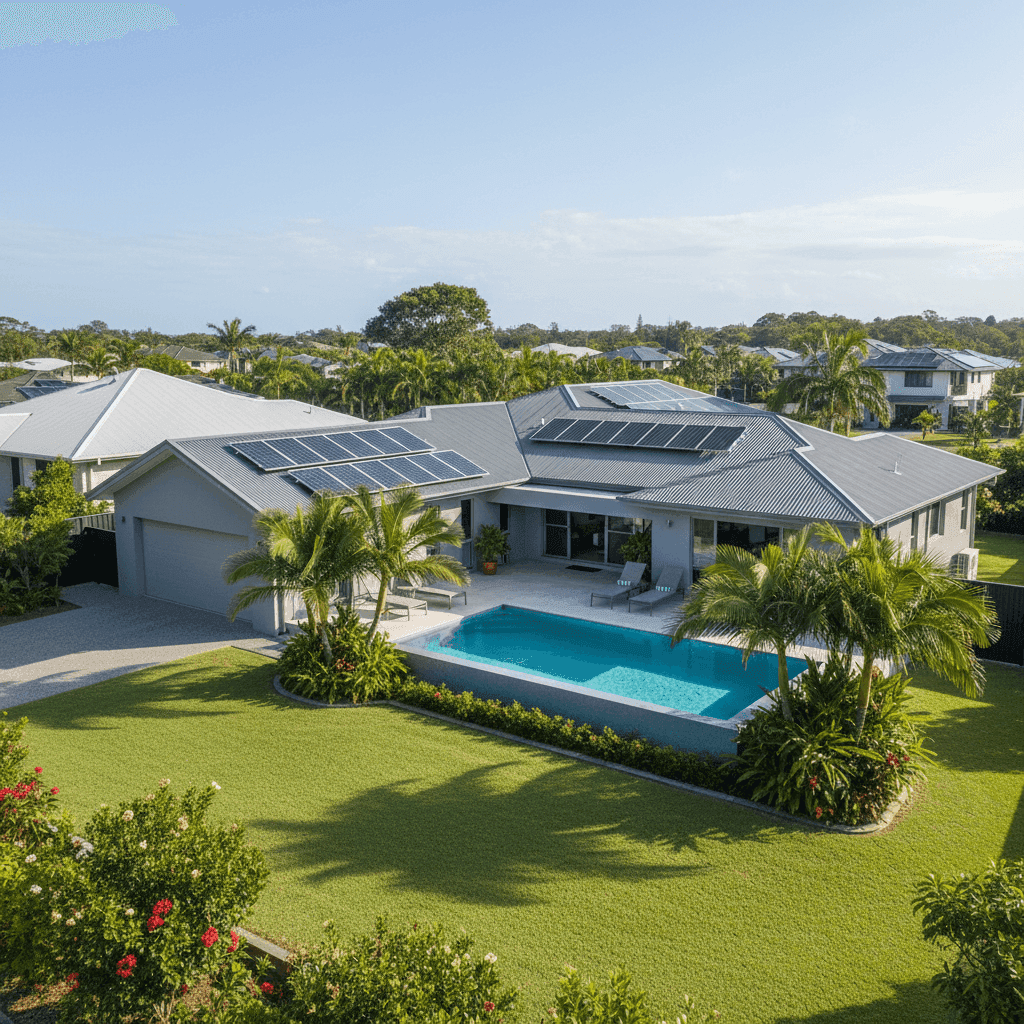
Trinity Beach is one of Cairns' most sought-after coastal suburbs — a relaxed beachside community with a strong mix of family homes, holiday properties, and long-term residents. But living close to the Coral Sea in Far North Queensland comes with a particular set of insurance considerations, and for owners of larger freestanding homes, premiums can be a significant annual expense.
This article breaks down a real home and contents insurance quote for a five-bedroom freestanding home in Trinity Beach (QLD 4879), compares it against local, state, and national benchmarks, and offers practical advice for homeowners looking to manage their costs.
---
Is This Quote Fair?
The quoted annual premium for this property is $7,686 per year (or approximately $730 per month), covering a building sum insured of $1,072,000 and contents valued at $152,000, each with a $1,000 excess.
Based on our pricing analysis, this quote is rated Expensive — above average for the Trinity Beach area.
To put that in context: the suburb average premium for Trinity Beach sits at $5,148 per year, with a median of $4,612. The quoted premium of $7,686 is nearly 49% above the suburb average and sits well above the 75th percentile of $5,520 — meaning it's more expensive than at least three-quarters of comparable quotes in the area.
That said, it's worth noting that this is a large, well-appointed property with a high building sum insured, a pool, solar panels, and several features that naturally push premiums upward. The quote isn't necessarily unreasonable for what's being covered — but it does suggest there may be room to shop around.
---
How Trinity Beach Compares
Understanding where Trinity Beach sits within the broader insurance landscape helps put this quote in perspective.
| Benchmark | Average Premium | Median Premium |
|---|---|---|
| Trinity Beach (suburb) | $5,148/yr | $4,612/yr |
| Queensland (state) | $9,129/yr | $3,903/yr |
| Australia (national) | $5,347/yr | $2,764/yr |
| Cairns LGA | $12,404/yr | — |
A few things stand out here. The Queensland state average of $9,129 is notably higher than the national average of $5,347 — a reflection of the elevated natural hazard risk across much of the state, particularly in cyclone-prone coastal regions. The Cairns LGA average of $12,404 is especially striking, underscoring just how significantly insurers price risk in this part of the world.
Interestingly, the Trinity Beach suburb average of $5,148 is lower than both the QLD state and Cairns LGA averages, which may reflect the mix of property types and sum-insured levels in the local sample (based on 28 quotes). Larger, higher-value homes like this one will naturally skew toward the upper end of that range.
The wide gap between the QLD average ($9,129) and the QLD median ($3,903) is also telling — it suggests a relatively small number of high-premium properties (likely in cyclone and flood zones) are pulling the average up considerably. This property's quoted premium of $7,686 sits between those two figures, which is broadly consistent with its profile.
---
Property Features That Affect Your Premium
Several characteristics of this property have a direct bearing on what insurers charge.
Cyclone risk zone. This is arguably the single biggest factor. Trinity Beach falls within a designated cyclone risk area, and insurers price this accordingly. Cyclone cover adds significant cost to premiums across Far North Queensland, and it's non-negotiable for most lenders and prudent homeowners.
Building size and sum insured. At 235 sqm with a building sum insured of $1,072,000, this is a substantial home. Larger buildings cost more to rebuild, and above-average fittings quality means finishes and fixtures are more expensive to replace — both of which push the insured value (and therefore the premium) higher.
Construction materials. Concrete external walls and a steel/Colorbond roof are generally viewed favourably by insurers. These materials offer strong resistance to wind, fire, and impact — all relevant in a cyclone-prone coastal environment. A slab foundation and tile flooring similarly suggest a robust, low-maintenance structure.
Swimming pool. Pools add to the replacement cost of the property and can introduce liability considerations, contributing modestly to a higher premium.
Solar panels. Rooftop solar systems are an increasingly common feature in Queensland, but they do add to the insured value of the building and can complicate repairs following storm or cyclone damage.
Contents coverage. The $152,000 contents sum insured is a meaningful component of this policy. Above-average fittings quality in the home often corresponds with higher-value furnishings and appliances, making this level of contents cover appropriate — but it does add to the overall premium.
---
Tips for Homeowners in Trinity Beach
1. Compare quotes from multiple insurers. Given this quote sits above the suburb average, it's well worth running a comparison to see what other insurers would charge for the same level of cover. Premium variation between insurers for the same property can be substantial — sometimes thousands of dollars per year.
2. Review your sum insured carefully. Over-insuring is one of the most common reasons premiums are higher than necessary. Use a building cost calculator to verify your rebuild estimate, and make sure your contents sum insured reflects actual replacement value rather than an inflated figure. Conversely, under-insuring carries serious financial risk — particularly in a high-rebuild-cost area like Cairns.
3. Consider your excess level. Both the building and contents excess on this policy are set at $1,000. Opting for a higher voluntary excess — say $2,500 or $5,000 — can meaningfully reduce your annual premium. Just ensure you're comfortable covering that amount out of pocket in the event of a claim.
4. Check your cyclone and storm surge cover. Not all policies treat cyclone, storm surge, and flood damage the same way. In a coastal suburb like Trinity Beach, it's essential to read the Product Disclosure Statement (PDS) carefully and confirm exactly what's covered — and what's excluded — before committing to a policy.
---
Compare Home Insurance Quotes for Trinity Beach
Whether you're reviewing an existing policy or shopping for cover on a new purchase, CoverClub makes it easy to compare home and contents insurance quotes tailored to your property. See how your premium stacks up against others in your suburb, and find out if you could be paying less for the same protection.
Get a quote and compare today →
You can also explore detailed premium data for Trinity Beach and surrounds or browse Queensland-wide insurance statistics to better understand how your costs compare.