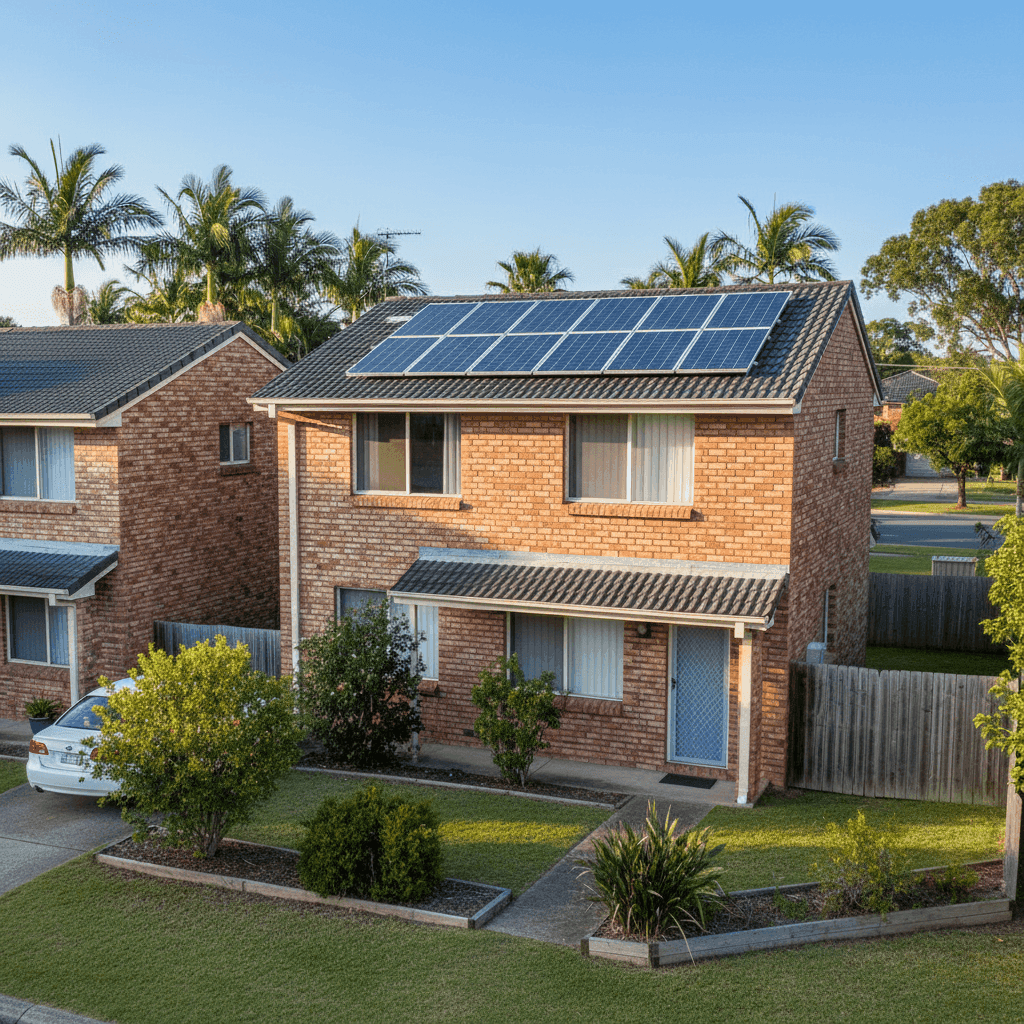
Tugun is a coastal suburb sitting at the southern tip of the Gold Coast, wedged between the Pacific Ocean and the Queensland–New South Wales border. It's a tightly held pocket of Southeast Queensland — popular with owner-occupiers and investors alike — and home to a mix of older brick homes, duplexes, and semi detached dwellings that reflect the suburb's relaxed, beachside character. This article breaks down a real building insurance quote for a 2-bedroom, 2-bathroom semi detached property in Tugun, and puts the numbers into context against local, state, and national benchmarks.
---
Is This Quote Fair?
The quoted annual premium for this property is $1,366 per year (or approximately $137 per month), covering the building only with a sum insured of $738,000 and a building excess of $2,000.
Our pricing engine rates this quote as CHEAP — below average for the area. That's a meaningful finding. When you consider that the suburb average for Tugun sits at $4,987 per year and the median is $4,213 per year, this quote comes in at roughly 73% below the suburb average — a substantial saving by any measure.
Even against the 25th percentile of quotes in the suburb (meaning 75% of quotes are more expensive), the benchmark sits at $1,914 per year. This quote at $1,366 undercuts even that lower boundary, placing it firmly in the most competitive tier of pricing available in the postcode.
It's worth noting that Tugun is part of the broader Gold Coast local government area, where the average premium climbs even higher to $5,494 per year — reflecting the elevated risk profile that coastal Queensland properties tend to carry. Against that backdrop, securing a quote under $1,400 is genuinely exceptional.
---
How Tugun Compares
To put this quote in full perspective, here's how Tugun's insurance costs stack up across different benchmarks:
| Benchmark | Average Premium | Median Premium |
|---|---|---|
| Tugun (suburb) | $4,987/yr | $4,213/yr |
| Gold Coast (LGA) | $5,494/yr | — |
| Queensland (state) | $4,547/yr | $3,931/yr |
| Australia (national) | $2,965/yr | $2,716/yr |
| This quote | $1,366/yr | — |
Queensland is consistently one of the most expensive states for home insurance in Australia, driven by elevated exposure to natural hazards including flooding, storms, and cyclone risk in northern parts of the state. You can explore the full Queensland insurance data or compare against national averages to see just how much location influences what you pay.
The Gold Coast LGA average of $5,494 per year — nearly $1,000 above the Queensland state average — reflects the concentration of coastal properties, storm surge exposure, and high rebuild costs in the region. Tugun's suburb average of $4,987 tracks closely with the LGA figure, which makes sense given its beachside position.
Against all of these benchmarks, the $1,366 quote analysed here represents outstanding value.
---
Property Features That Affect Your Premium
Several characteristics of this particular property likely contribute to its competitive pricing:
Brick Veneer Construction Brick veneer is generally viewed favourably by insurers. It offers solid fire resistance and structural durability compared to weatherboard or fibrous cement cladding, which can translate into lower rebuild risk and, in turn, lower premiums.
Tiled Roof Terracotta or concrete tiles are among the more resilient roofing materials available. They perform well in high-wind events and are less susceptible to fire damage than Colorbond or older corrugated iron, both of which can be more costly to insure in storm-prone areas.
Stump Foundation Homes on stumps are common in Queensland, particularly in older builds from the 1970s and 1980s. While stumps can introduce some vulnerability to movement and moisture, they also allow for airflow beneath the floor — a practical feature in Queensland's humid climate. Insurers generally treat stump foundations as a known and manageable risk.
No Pool The absence of a swimming pool removes a meaningful liability and maintenance risk from the equation. Pools add to the sum insured and can attract higher premiums, so their absence here works in the policyholder's favour.
Solar Panels This property has solar panels installed, which are typically covered under building insurance as a fixed fixture. It's important to confirm with your insurer that solar panels are explicitly included in the policy wording and that the sum insured accounts for their replacement value.
Body Corporate / Strata Property As a strata-titled semi detached, there may be an overlap between what the body corporate's building insurance covers and what this individual policy covers. It's essential to review the body corporate insurance schedule carefully to avoid double-covering shared structures — or worse, leaving gaps in coverage for lot-specific elements.
Standard Fittings Standard-quality fittings rather than premium or custom finishes keep the rebuild cost estimate more straightforward and predictable, which generally supports a more competitive premium.
---
Tips for Homeowners in Tugun
1. Review your body corporate insurance schedule annually In a strata or semi detached arrangement, the body corporate typically insures the common property and shared structures. Make sure you understand exactly what is and isn't covered under that policy before determining what your individual building cover needs to include. Gaps between the two can leave you exposed.
2. Confirm solar panels are listed on your policy Solar panel systems can represent a significant portion of a home's value. Check your policy schedule to ensure they're explicitly noted as a covered item, and verify that the sum insured reflects their current replacement cost — particularly as panel and inverter prices have shifted in recent years.
3. Don't let your sum insured fall behind With a sum insured of $738,000 on a 214 sqm semi detached, it's worth revisiting this figure annually. Construction costs in Southeast Queensland have risen considerably in recent years, and underinsurance remains one of the most common — and costly — mistakes homeowners make at claim time.
4. Compare quotes regularly The spread of premiums in Tugun is striking: the difference between the 25th percentile ($1,914) and the 75th percentile ($8,154) is more than $6,000 per year for comparable properties. That kind of variation means shopping around isn't just sensible — it's essential. Insurers price risk differently, and the market rewards those who compare.
---
Compare Your Own Quote
Whether you're a homeowner in Tugun or anywhere else on the Gold Coast, the data is clear: premiums vary enormously, and the difference between the cheapest and most expensive quotes can run into thousands of dollars each year. CoverClub makes it easy to see where your current premium sits relative to your neighbours and the broader market. Get a quote today at CoverClub and find out if you're paying more than you should be.