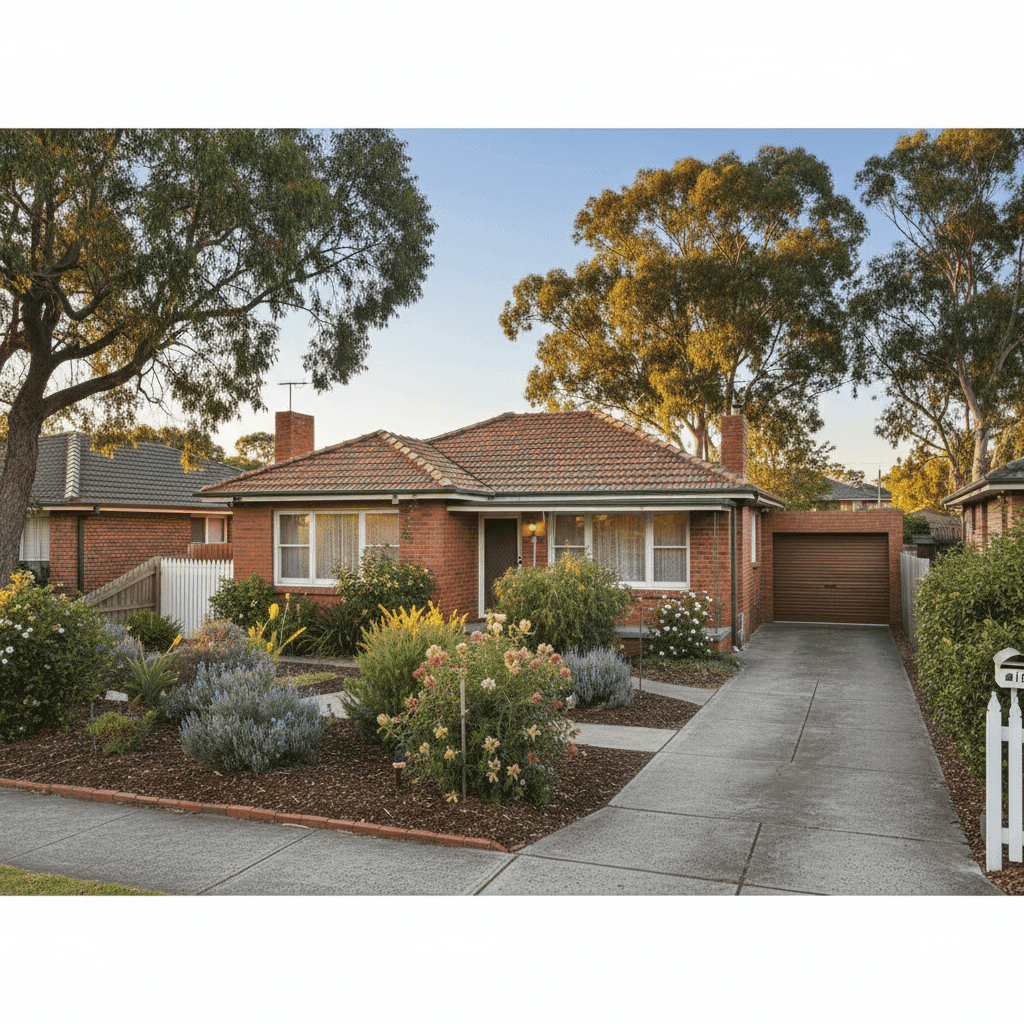
If you own a free standing home in Tullamarine, VIC 3043, you're probably curious about whether what you're paying for home and contents insurance is reasonable — or whether you're leaving money on the table. This article breaks down a real insurance quote for a three-bedroom, brick veneer home in the suburb and puts it in context against local, state-wide, and national benchmarks.
---
Is This Quote Fair?
The quote in question sits at $1,376 per year (or $132 per month) for combined home and contents cover, with a building sum insured of $399,000 and contents valued at $50,000. Both the building and contents excess are set at $1,000.
Our price rating for this quote is FAIR — Around Average, and the numbers back that up. The suburb average for Tullamarine currently sits at $1,402 per year, with a median of $1,410. This quote comes in just below both figures, meaning the homeowner is paying slightly less than most of their neighbours for comparable cover — a modest but genuine saving.
To be more precise, this quote falls comfortably within the interquartile range for the suburb: the 25th percentile is $1,202 and the 75th is $1,575. At $1,376, it's sitting in the lower-middle band — not the cheapest available, but well away from the more expensive end of the market. For a property of this age and construction type, that's a reasonable outcome.
---
How Tullamarine Compares
Zooming out tells an even more interesting story. While the quote might feel like just another bill, context reveals it's actually quite competitive.
| Benchmark | Premium |
|---|---|
| This quote | $1,376/yr |
| Tullamarine suburb average | $1,402/yr |
| Tullamarine suburb median | $1,410/yr |
| Brimbank LGA average | $1,707/yr |
| Victoria state average | $3,000/yr |
| Victoria state median | $2,718/yr |
| National average | $5,347/yr |
| National median | $2,764/yr |
Compared to the broader Brimbank LGA average of $1,707, this quote is around $330 cheaper annually — a meaningful difference. Against the Victorian state average of $3,000, the saving is even more striking, coming in at less than half the statewide figure.
And when you look at the national average of $5,347, Tullamarine homeowners are in a genuinely fortunate position. Much of that national figure is dragged upward by high-risk regions — cyclone-prone coastal Queensland, flood-affected inland NSW, and bushfire corridors across the country. Tullamarine sits in metropolitan Melbourne, well away from those elevated-risk zones, which helps keep premiums grounded.
You can explore more localised data for the area on the Tullamarine suburb stats page.
---
Property Features That Affect Your Premium
Every property is different, and insurers weigh up a range of characteristics when calculating your premium. Here's how the features of this particular home are likely influencing the cost:
Brick Veneer Walls Brick veneer is one of the most common external wall materials in suburban Melbourne, and insurers generally view it favourably. It offers solid fire resistance and structural durability compared to timber weatherboard, which can contribute to a more competitive premium.
Tiled Roof Concrete or terracotta tiles are considered a relatively resilient roofing material. They hold up well in Melbourne's variable weather and are less susceptible to hail damage than some alternatives like corrugated iron, though they can be costly to repair if cracked or dislodged.
Stump Foundation The home sits on stumps, which is common for properties of this era in Victoria. While stumps can shift or deteriorate over time — particularly older timber stumps — this doesn't necessarily push premiums significantly higher unless there are known structural issues. It's worth having stumps inspected periodically, as some insurers may scrutinise foundation condition during claims.
Construction Year: 1966 At nearly 60 years old, this home is solidly in the "older stock" category. Older homes can attract slightly higher premiums due to ageing plumbing, wiring, and roofing materials. However, brick veneer construction from this era was generally well-built, and if the property has been maintained or updated, the risk profile remains manageable.
Ducted Climate Control The presence of ducted heating and/or cooling adds to the contents and fixtures value of the home. This is already factored into the building sum insured, and it's important to ensure the replacement cost of these systems is captured accurately to avoid being underinsured.
No Pool, No Solar Panels The absence of a swimming pool removes a notable liability risk factor. Pools can add to premiums due to the associated injury risk and maintenance complexity. Similarly, no solar panel system means there's no need to factor in panel replacement costs or inverter coverage.
Vinyl Flooring, Standard Fittings Vinyl flooring and standard-quality fittings keep the rebuild cost more predictable and generally lower than homes with premium finishes like hardwood floors or stone benchtops. This likely contributes to the relatively moderate building sum insured of $399,000 for a 130 sqm home.
---
Tips for Homeowners in Tullamarine
Whether you're reviewing your current policy or shopping around for the first time, here are a few practical steps worth taking:
- Check your sum insured regularly. Building costs have risen sharply across Victoria in recent years. A sum insured that was adequate three years ago may no longer cover a full rebuild. Use an independent building cost calculator or speak to a quantity surveyor to validate your figure — being underinsured at claim time can be a costly mistake.
- Consider the age of your home's services. For a home built in 1966, the original plumbing, electrical wiring, and roof tiles may be approaching end-of-life. Proactively upgrading these not only reduces risk but can also make you a more attractive risk to insurers, potentially lowering your premium at renewal.
- Review your contents sum insured. $50,000 in contents cover is a common figure, but it's easy to underestimate how much your belongings are actually worth when you add up furniture, appliances, clothing, electronics, and white goods. Do a room-by-room audit to make sure you're adequately covered.
- Compare quotes before renewing. Loyalty doesn't always pay in the insurance market. Insurers often offer better rates to new customers, so it's worth getting fresh quotes each year rather than simply accepting your renewal notice. Even a saving of $150–$200 annually adds up over time.
---
Ready to Compare?
Whether you're happy with your current cover or think you could be paying less, it pays to know your options. Get a home insurance quote at CoverClub and see how your premium stacks up against the market — in minutes, with no obligation.