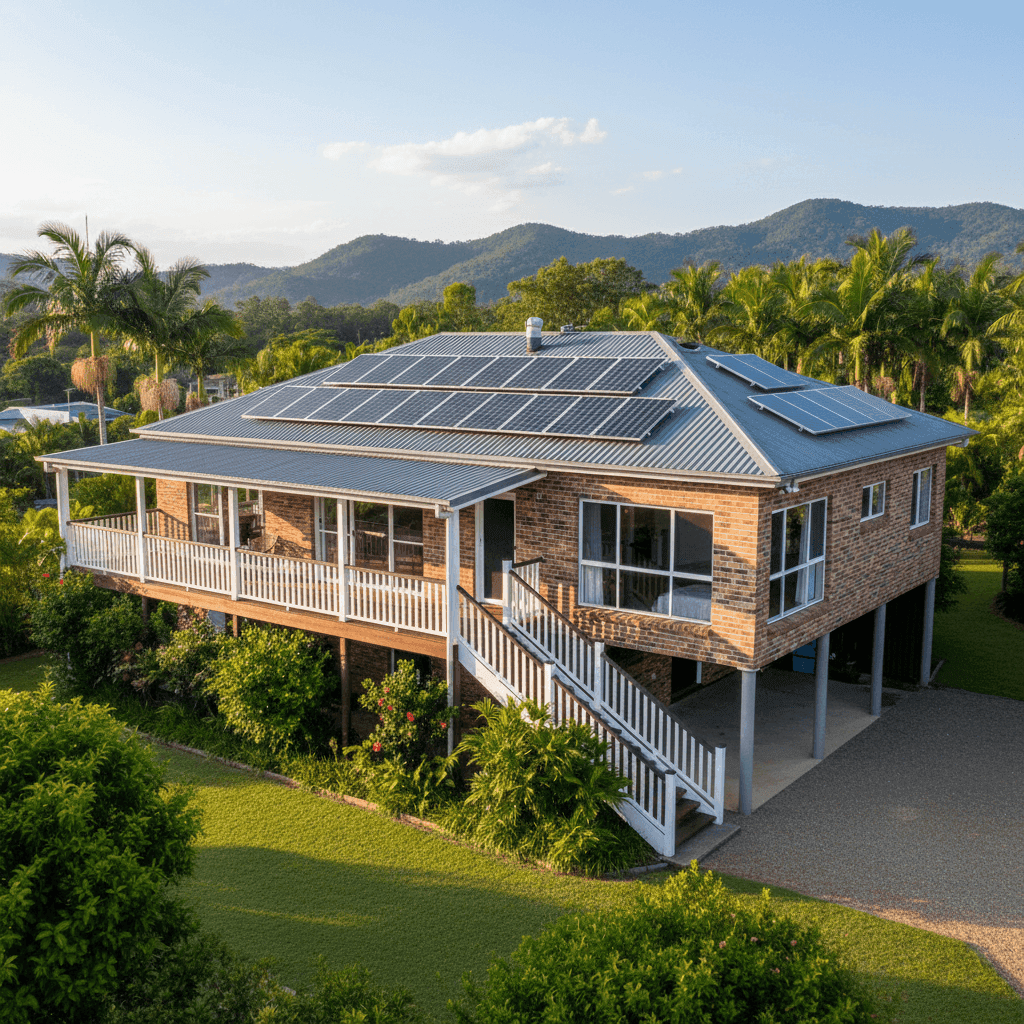
Nestled in the lush Tweed River valley near the Queensland border, Tumbulgum is a picturesque riverside village in northern NSW. Its charm is undeniable — but for homeowners with a free standing property in this postcode, home insurance can come with a hefty price tag. This article breaks down a real home and contents insurance quote for a 3-bedroom brick veneer home in Tumbulgum (NSW 2490), compares it against local, state, and national benchmarks, and offers practical advice for keeping your premiums in check.
---
Is This Quote Fair?
The quote in question sits at $34,946 per year (or $3,408/month) for combined home and contents cover, with a building sum insured of $450,000 and contents valued at $187,000. Our price rating for this quote is EXPENSIVE — above average for the suburb.
To put that into perspective, the suburb average premium in Tumbulgum is around $20,602/year, and the median sits at $20,964/year. This quote lands well above the 75th percentile of $27,306/year, meaning it's pricier than at least three-quarters of comparable quotes we've seen in this area.
That said, "above average" doesn't automatically mean "wrong." Several property-specific factors — which we'll explore below — can legitimately push a premium higher. The key question is whether the cover on offer justifies the cost, and whether shopping around could yield a better deal for the same level of protection.
---
How Tumbulgum Compares
Tumbulgum sits in a notably high-risk insurance zone relative to the rest of NSW and the nation. Here's how the numbers stack up:
| Benchmark | Average Premium |
|---|---|
| Tumbulgum (suburb average) | $20,602/yr |
| Tumbulgum (suburb median) | $20,964/yr |
| LGA — Tweed | $4,680/yr |
| NSW average | $3,801/yr |
| National average | $2,965/yr |
(Based on 23 quotes sampled for the Tumbulgum area. View full [Tumbulgum suburb stats](https://coverclub.com.au/stats/NSW/2490/tumbulgum), [NSW state stats](https://coverclub.com.au/stats/NSW), and [national stats](https://coverclub.com.au/stats/national).)
The contrast is striking. The suburb average of $20,602/year is already more than five times the NSW state average of $3,801/year, and nearly seven times the national average of $2,965/year. Even the Tweed LGA average of $4,680/year — itself elevated compared to broader NSW — is dwarfed by what Tumbulgum homeowners typically pay.
This dramatic premium gap reflects the unique risk profile of the area. Tumbulgum's location along the Tweed River makes it particularly susceptible to flooding, and the broader northern NSW region has experienced significant weather events in recent years, including the devastating 2022 floods. Insurers price these risks into their premiums, and properties in flood-prone postcodes bear the consequences.
---
Property Features That Affect Your Premium
Several characteristics of this particular property influence where its premium lands — for better or worse.
Elevated foundation (at least 1 metre): This is one of the most significant premium-reducing features a home in a flood-risk area can have. Being raised off the ground by at least one metre meaningfully reduces the likelihood of floodwater entering the home, and insurers typically reward this with lower premiums than they'd apply to a ground-level slab. It's a genuine positive for this property.
Slab-on-ground vs elevated: Interestingly, this home is noted as both slab foundation and elevated — a configuration sometimes seen in raised slab or pole-frame constructions. This combination still offers meaningful flood resilience compared to a standard ground-level slab.
Brick veneer walls and Colorbond roof: These are solid, low-maintenance construction materials that generally attract favourable treatment from insurers. Brick veneer offers good fire resistance, and Colorbond steel roofing is durable and performs well in storms. Both materials are widely accepted across the industry.
Timber and laminate flooring: While aesthetically popular, timber and laminate floors can be more susceptible to water damage than tiles. In a flood-risk area, this is worth noting — some insurers may factor this into their assessment.
Solar panels: The presence of solar panels adds to the overall replacement cost of the home, which can nudge building sum insured values (and therefore premiums) upward. It's important that your policy explicitly covers solar panels as part of the building, which most standard policies do.
1985 construction: Homes built in the mid-1980s fall into a middle ground — old enough that some systems (plumbing, electrical) may be approaching end-of-life, but generally built to reasonable standards. Some insurers apply age-related loadings to older homes.
Standard fittings: The standard (rather than premium) fittings quality helps keep the building replacement cost estimate grounded, which is a modest moderating factor on the premium.
---
Tips for Homeowners in Tumbulgum
Given the elevated premium environment in this suburb, here are four practical steps worth considering:
1. Compare multiple insurers — seriously. The spread between the cheapest and most expensive quotes in Tumbulgum can be enormous. With a suburb 25th percentile of $17,390/year and quotes like this one pushing toward $35,000/year, the difference between insurers can be tens of thousands of dollars annually. Get a comparison quote through CoverClub to see what multiple providers would charge for your specific property.
2. Review your sum insured carefully. Over-insuring your building is a common (and costly) mistake. Make sure your $450,000 building sum insured reflects a realistic rebuilding cost — not the market value of the property. Tools like the Cordell Sum Sure calculator can help you estimate an accurate figure.
3. Ask about flood cover inclusions and exclusions. In a riverside location like Tumbulgum, understanding exactly what your policy covers — and doesn't cover — for flood, storm surge, and rainwater runoff is critical. Not all policies define these the same way, and the difference matters enormously in a claim.
4. Consider a higher building excess. The building excess on this quote is $3,000 — already on the higher side. However, if your financial position allows, opting for a higher voluntary excess can reduce your annual premium. Just ensure you could comfortably cover that excess in the event of a claim.
---
Ready to Find a Better Deal?
Whether you're a long-time Tumbulgum local or new to the area, it pays to shop around. CoverClub makes it easy to compare home and contents insurance quotes from multiple Australian insurers — so you can see exactly where your current quote sits and whether there's a better option available. Start your comparison today and make sure you're not paying more than you need to for the cover you deserve.