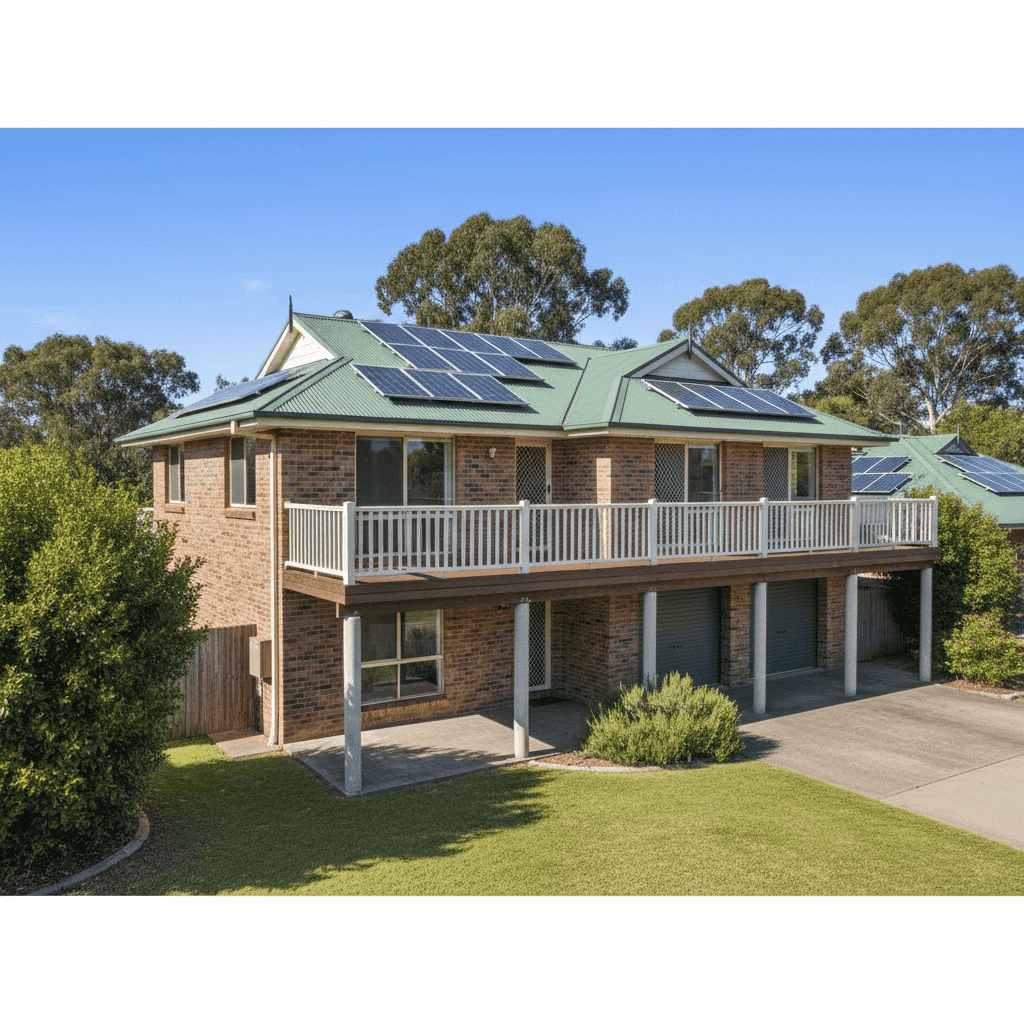
Nestled in the foothills of the Snowy Mountains, Tumut is a quiet regional town in the Snowy Valleys LGA of New South Wales. It's the kind of place where the pace of life is slower, the streets are tree-lined, and property prices remain accessible compared to the city. But what does home insurance actually cost for a townhouse here — and is the quote you've been offered a good deal? This article breaks down a real insurance quote for a 3-bedroom, 2-bathroom townhouse in Tumut (NSW 2720), compares it against local, state, and national benchmarks, and offers practical tips for getting the most out of your cover.
---
Is This Quote Fair?
The short answer: yes, this is an excellent price.
The quote in question — $1,177 per year (or $112/month) for combined home and contents cover — has been rated CHEAP, meaning it sits well below average for the area. To put that in perspective, the suburb average premium in Tumut is $2,591 per year, which means this quote comes in at less than half the typical cost for comparable properties in the postcode.
The building is insured for $407,000, which is a reasonable sum for a 130 sqm double brick townhouse, and contents are covered for $50,000. The building excess is $4,000 and the contents excess is $2,000 — slightly higher excesses, which is a common lever insurers use to reduce the upfront premium. If you're comfortable absorbing a larger out-of-pocket cost in the event of a claim, this trade-off can make a lot of sense.
For homeowners who want to keep ongoing costs down and have the financial buffer to cover a higher excess if needed, this quote represents genuine value.
---
How Tumut Compares
To understand just how competitive this quote is, it helps to zoom out and look at the broader pricing landscape. You can explore the full data on the Tumut suburb stats page, the NSW state overview, and the national insurance stats hub.
| Benchmark | Annual Premium |
|---|---|
| This Quote | $1,177 |
| Tumut Suburb Average | $2,591 |
| Tumut Suburb Median | $2,414 |
| Tumut 25th Percentile | $1,776 |
| Snowy Valleys LGA Average | $2,748 |
| NSW State Average | $3,801 |
| NSW State Median | $3,410 |
| National Average | $2,965 |
| National Median | $2,716 |
A few things stand out here. First, even the cheapest quarter of Tumut quotes (the 25th percentile) sits at $1,776 — still $599 more than this quote. That places this premium in truly exceptional territory. Second, NSW as a whole is notably more expensive than the national average, largely driven by flood, bushfire, and storm risk across various parts of the state. Tumut itself sits in a bushfire-prone region, which typically pushes premiums higher — making this quote all the more impressive.
For context, the national median sits at $2,716, meaning the average Australian homeowner pays more than double what this Tumut townhouse owner is being quoted.
---
Property Features That Affect Your Premium
Several characteristics of this property likely contribute to its competitive pricing.
Double Brick Construction Double brick is one of the most insurer-friendly wall materials available. It's fire-resistant, structurally robust, and highly durable — all qualities that reduce the likelihood of a total loss claim. Compared to weatherboard or fibro homes, double brick properties often attract lower premiums.
Steel / Colorbond Roof A Colorbond steel roof is another tick in the insurer's box. It's non-combustible, low-maintenance, and highly resistant to wind and ember attack — a significant factor in regional NSW where bushfire risk is elevated. Older tile roofs or timber-framed roofing systems tend to carry more risk.
Elevated Foundation (Stumps) The property sits on stumps and is elevated by less than 1 metre. While elevated homes can sometimes attract higher premiums due to structural complexity, the modest elevation here is unlikely to be a major cost driver. It may actually assist with airflow and reduce moisture-related damage risk.
Solar Panels Solar panels are an insured feature worth noting. Most home and contents policies will cover rooftop solar as part of the building, but it's always worth confirming this with your insurer. Given the replacement cost of a quality solar system, ensuring they're included in your sum insured is important.
Ducted Climate Control Ducted air conditioning is a fixed building asset and should be factored into your building sum insured. At $407,000, the sum insured here appears to account for these inclusions, which is the right approach.
No Pool, No Cyclone Risk Zone The absence of a swimming pool removes a common liability risk factor, and Tumut's location outside cyclone-prone areas means the property avoids one of the most significant premium inflators in Australia.
Construction Year: 1945 The age of the property is worth monitoring. Older homes — particularly those built before modern building codes — can sometimes attract higher premiums due to the cost of like-for-like restoration. That said, double brick construction from this era is often remarkably solid, and a well-maintained 1945 build may carry less risk than a poorly maintained newer home.
---
Tips for Homeowners in Tumut
1. Review Your Sum Insured Annually Building costs have risen significantly across regional NSW in recent years. Make sure your $407,000 sum insured still reflects the true cost of rebuilding your home — not just its market value. Underinsurance is one of the most common and costly mistakes homeowners make.
2. Confirm Solar Panels Are Covered Check your policy documents to verify that your solar panel system is explicitly covered under the building section. Some policies treat panels as a separate item or have sub-limits. If your system is worth $10,000–$15,000, this is not a detail to overlook.
3. Understand Your Excess Before You Claim With a $4,000 building excess, it's worth thinking carefully before lodging smaller claims. Making a claim that results in only a modest payout can lead to premium increases at renewal. For minor repairs under or close to the excess threshold, paying out of pocket may be the smarter long-term move.
4. Compare at Renewal — Every Year The insurance market shifts constantly, and loyalty doesn't always pay. The gap between this quote ($1,177) and the suburb average ($2,591) shows just how much variation exists between providers. Use a comparison tool like CoverClub each year to make sure you're not quietly drifting into overpriced territory.
---
Get Your Own Quote
Whether you're a homeowner in Tumut or anywhere else in Australia, comparing quotes is the single most effective way to avoid overpaying for cover. CoverClub makes it easy to see multiple options side by side, so you can weigh up premiums, excesses, and inclusions without the hassle. Start your free quote comparison today and find out where your current policy really stands.