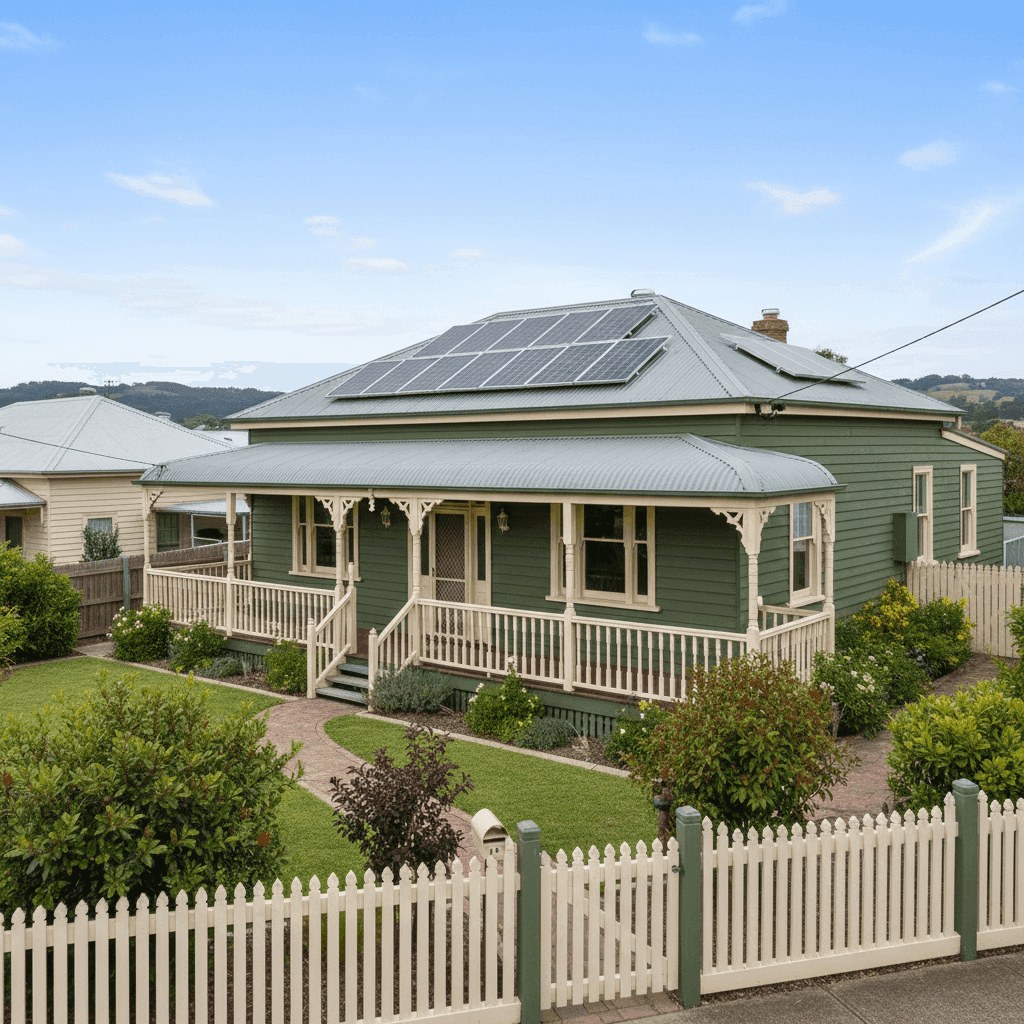
If you own a free standing home in Tumut Plains, NSW 2720, you've probably wondered whether you're paying a fair price for home and contents insurance — or quietly overpaying year after year. Nestled in the Snowy Valleys region of New South Wales, Tumut Plains is a quiet rural locality with a distinct character: think heritage-era weatherboard homes, timber floors, and the kind of landscape that makes insurance underwriters think carefully about risk. This article breaks down a real insurance quote for a 3-bedroom property in the area, compares it against local, state, and national benchmarks, and offers practical advice for homeowners looking to protect their asset without paying more than they should.
---
Is This Quote Fair?
The quote in question comes in at $5,120 per year (or $501/month) for a combined home and contents policy, covering a building sum insured of $577,000 and contents valued at $73,000. The building excess and contents excess are both set at $1,000.
Our price rating for this quote? Cheap — below average. That's genuinely good news.
To put it in perspective: the NSW state average premium sits at a hefty $9,528 per year, meaning this quote is roughly 46% below what many NSW homeowners are paying. Even against the NSW median of $3,770, the picture is more nuanced — the quote is above the median, but that's largely explained by the higher-than-average sum insured ($577,000 for the building alone) and the inclusion of contents cover.
Compared to national figures, where the average premium is $5,347/yr and the median is $2,764/yr, this quote sits very close to the national average — and well below what many Australians in higher-risk areas are forking out. For a heritage-listed property with the characteristics this home carries, landing at this price point is a solid outcome.
---
How Tumut Plains Compares
Drilling into the local data adds important context. The Snowy Valleys LGA average premium is $2,858 per year — notably lower than this quote. However, that LGA average reflects the full mix of properties in the region, many of which will be smaller, newer, or carry lower sums insured. A heritage-listed, 130 sqm weatherboard home built in 1900 with a $577,000 building sum insured is not a typical entry in that pool.
Here's a quick snapshot of where this quote sits:
| Benchmark | Annual Premium |
|---|---|
| This Quote | $5,120 |
| Snowy Valleys LGA Average | $2,858 |
| NSW State Median | $3,770 |
| NSW State Average | $9,528 |
| National Average | $5,347 |
| National Median | $2,764 |
For more localised pricing data, visit the Tumut Plains suburb stats page or explore NSW-wide home insurance trends.
The takeaway: while this quote exceeds the LGA average, the property's unique characteristics — heritage listing, age, construction type, and sum insured — justify the premium differential. Relative to the broader NSW market, it's a competitive result.
---
Property Features That Affect Your Premium
Several characteristics of this property have a meaningful influence on what insurers charge. Understanding them helps you have more informed conversations with insurers and potentially identify areas where you can reduce risk — or cost.
Heritage Overlay
This is one of the more significant premium drivers. Properties under a heritage overlay face restrictions on how they can be repaired or rebuilt — insurers must account for the higher cost of sourcing period-appropriate materials and engaging specialist tradespeople. That said, heritage homes often have solid bones, and a well-maintained example can still attract competitive pricing.
Age and Construction (Built 1900, Weatherboard Timber Walls)
A home built in 1900 is over 120 years old. While that speaks to durability, it also means insurers factor in the likelihood of aged wiring, plumbing, and structural elements that may not meet modern building codes. Weatherboard timber walls are also considered higher risk than brick or rendered masonry — they're more susceptible to fire spread and storm damage, which is reflected in premium pricing across the industry.
Roof: Steel/Colorbond
On the positive side, a Colorbond steel roof is viewed favourably by insurers. It's durable, fire-resistant, low-maintenance, and handles the elements well — particularly hail and wind. This is likely helping to moderate what could otherwise be a higher premium given the wall construction.
Foundation: Stumps
A stump foundation (also called a pier-and-beam foundation) is common in older Australian homes and carries some additional considerations. Stumps can deteriorate over time, and insurers may factor in the cost of foundation repairs following events like floods or ground movement. Regular inspection of stumps is worthwhile.
Solar Panels
The presence of solar panels adds modest complexity to a home insurance policy — panels need to be covered for damage from storms, hail, or fire, and their replacement cost should be factored into the building sum insured. Most standard home policies include solar panels as part of the building cover, but it's worth confirming this with your insurer.
Ducted Climate Control
Ducted climate control systems are a meaningful fixed asset and contribute to the overall replacement cost of the home. At standard fittings quality, this is already factored into the $577,000 building sum insured, but homeowners should ensure their sum insured is reviewed annually as these systems age and replacement costs fluctuate.
---
Tips for Homeowners in Tumut Plains
1. Review your building sum insured regularly Construction costs in regional NSW have risen sharply in recent years. A sum insured of $577,000 for a 130 sqm heritage home is substantial, but it should reflect the true cost of rebuilding — not the market value of the land. Use a building cost calculator annually and update your policy accordingly to avoid being underinsured.
2. Maintain your weatherboard cladding and stumps Insurers look at the condition of a property when assessing risk and claims. Keeping your weatherboard walls painted and sealed reduces moisture ingress and fire risk. Similarly, having your stumps inspected every few years — and replaced if necessary — protects both your home and your claim eligibility.
3. Confirm your heritage listing is disclosed and covered Not all insurers handle heritage-listed properties the same way. Ensure your insurer is aware of the heritage overlay and has explicitly confirmed that heritage-compliant repairs are covered under your policy. Some standard policies may not account for the premium cost of heritage restoration work.
4. Compare quotes before renewal Even if your current premium is rated as cheap, the home insurance market shifts constantly. Insurers reprice based on claims data, reinsurance costs, and local risk profiles. Making it a habit to compare quotes at CoverClub before each renewal ensures you're not leaving savings on the table.
---
Ready to Compare?
Whether you're a first-time buyer in Tumut Plains or a long-time homeowner coming up for renewal, comparing home insurance quotes takes minutes and can save you hundreds. At CoverClub, we make it easy to see what you should be paying based on your property's actual features — not a one-size-fits-all estimate. Get a quote today and find out if your current policy is as competitive as it should be.