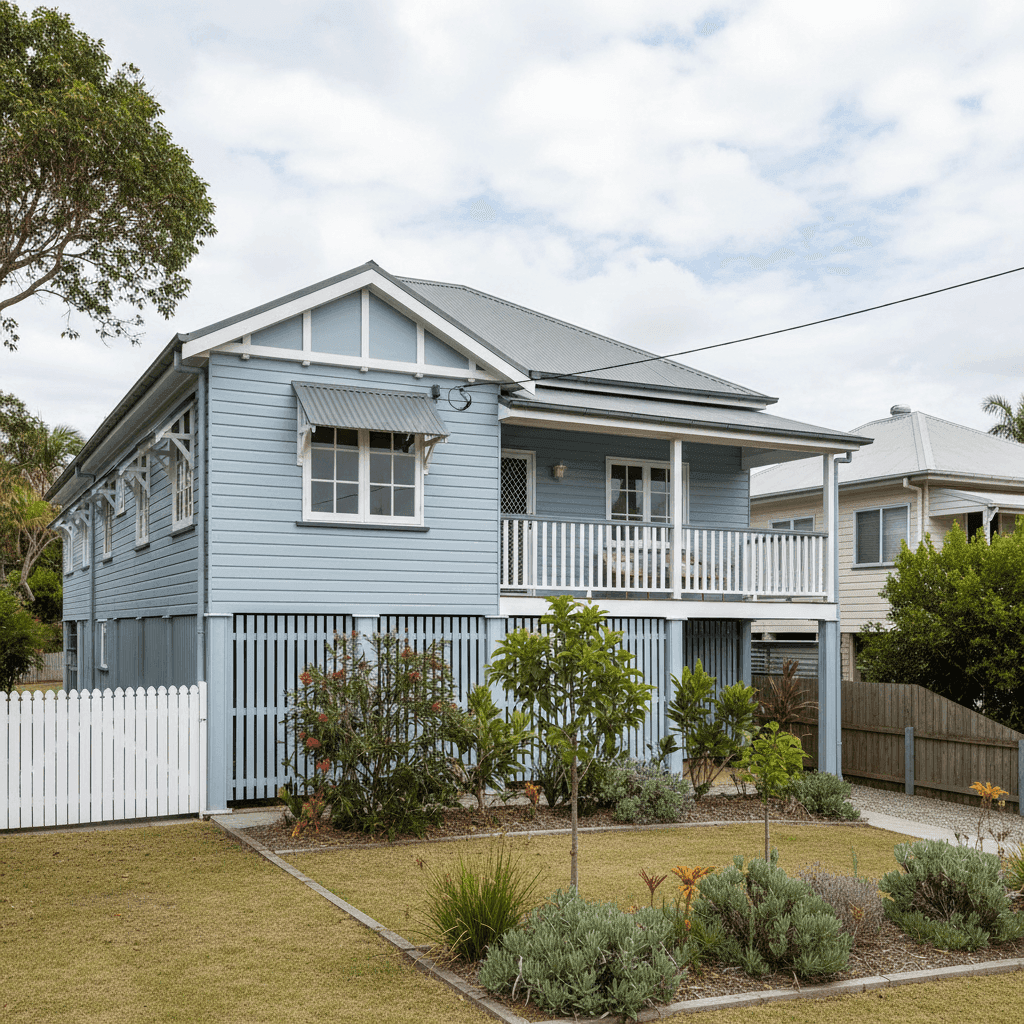
If you own a free standing home in Tweed Heads West, NSW 2485, you've probably wondered whether you're paying too much — or too little — for home and contents insurance. This article breaks down a real quote for a two-bedroom weatherboard home in the suburb, compares it against local, state, and national benchmarks, and offers practical tips to help you get the best value cover.
---
Is This Quote Fair?
The annual premium for this property came in at $3,726 per year ($365/month), covering both building (sum insured: $252,000) and contents ($50,000). CoverClub rates this quote as CHEAP — below average for the area.
That rating isn't just a gut feeling. When you stack this figure against the suburb average for Tweed Heads West of $9,069 per year and a suburb median of $7,201, this quote is remarkably competitive. In fact, it sits well below even the 25th percentile for the suburb ($6,795), meaning it's cheaper than at least 75% of comparable quotes gathered in the area.
For homeowners used to seeing four-figure annual premiums climbing toward $9,000 or $10,000, a quote under $4,000 for home and contents cover is genuinely worth paying attention to. Of course, the building excess of $3,000 and contents excess of $1,000 are on the higher side, which does contribute to keeping the premium down — something to weigh up carefully before committing.
---
How Tweed Heads West Compares
Understanding where your premium sits in the broader landscape is key to knowing whether you're getting a fair deal.
| Benchmark | Annual Premium |
|---|---|
| This Quote | $3,726 |
| Tweed Heads West Suburb Average | $9,069 |
| Tweed Heads West Suburb Median | $7,201 |
| Tweed LGA Average | $4,680 |
| NSW State Average | $3,801 |
| NSW State Median | $3,410 |
| National Average | $2,965 |
| National Median | $2,716 |
A few things stand out here. The suburb average of $9,069 is dramatically higher than both the NSW state average ($3,801) and the national average ($2,965). This tells us that Tweed Heads West carries elevated risk in the eyes of insurers — likely driven by its proximity to waterways, flood-prone terrain, and the general coastal risk profile of the Northern Rivers region.
The quote analysed here ($3,726) is actually closer to the NSW state average than to the suburb average, which is a significant achievement. It's worth noting, however, that the suburb sample size is relatively small (11 quotes), so the suburb averages should be treated as indicative rather than definitive.
The Tweed LGA average of $4,680 provides a useful middle ground — and this quote still comes in below that figure, reinforcing its "cheap" rating in context.
---
Property Features That Affect Your Premium
Every home is different, and insurers price risk based on a range of structural and location-based factors. Here's how the features of this particular property likely influence its premium:
Weatherboard timber exterior walls are common in older Queensland-style and coastal NSW homes, and they can attract higher premiums due to their susceptibility to moisture, termites, and fire compared to brick veneer. However, they're also generally cheaper to repair or replace, which can offset some of the risk.
Steel/Colorbond roofing is a positive from an insurer's perspective. It's durable, low-maintenance, resistant to fire and rot, and performs well in high-wind conditions — all of which can help moderate your premium.
Stump foundations (also known as stumped or raised foundations) are very typical of homes built in coastal and subtropical regions like Tweed Heads West. They allow for airflow beneath the home and can provide some protection in minor flood events, though they may require periodic maintenance to avoid subsidence issues.
Built in 1995, the home is relatively modern by the standards of the suburb, which may work in its favour. Homes built after key building code updates tend to have better structural standards, which insurers generally view favourably.
At 105 sqm, the building footprint is modest, which directly influences the sum insured of $252,000. A smaller home costs less to rebuild, and that lower replacement cost flows through to a more affordable premium.
The absence of a pool, solar panels, and ducted climate control also keeps the risk profile straightforward — fewer high-value items and mechanical systems means fewer potential claims.
---
Tips for Homeowners in Tweed Heads West
1. Review your sum insured regularly Building costs have risen sharply across Australia in recent years. Make sure your $252,000 building sum insured still reflects the true cost of rebuilding your home from scratch — not just its market value. Underinsurance is one of the most common and costly mistakes homeowners make.
2. Understand your excess before you claim This policy carries a $3,000 building excess and a $1,000 contents excess. These are meaningful amounts. If you're considering a claim for minor damage, weigh it up carefully — a claim below or close to your excess may not be worth lodging, and could affect your future premiums.
3. Factor in flood and storm risk Tweed Heads West sits within the broader Northern Rivers region, which has experienced significant flood and storm events in recent years. Check whether your policy explicitly covers flood damage (not all do by default), and consider whether your stump foundation provides adequate protection for the area's risk profile.
4. Compare quotes at renewal time The fact that this quote came in well below the suburb average is a reminder that premiums can vary enormously between insurers for the same property. Don't auto-renew without shopping around — even a 15-minute comparison exercise could save you hundreds of dollars annually.
---
Ready to Compare Home Insurance in Tweed Heads West?
Whether you're a first-time buyer or a long-time homeowner, getting the right cover at the right price starts with comparing your options. CoverClub makes it easy to see how your current premium stacks up and find competitive quotes tailored to your property. Get a home insurance quote today and find out if you could be paying less — without sacrificing the cover you need.