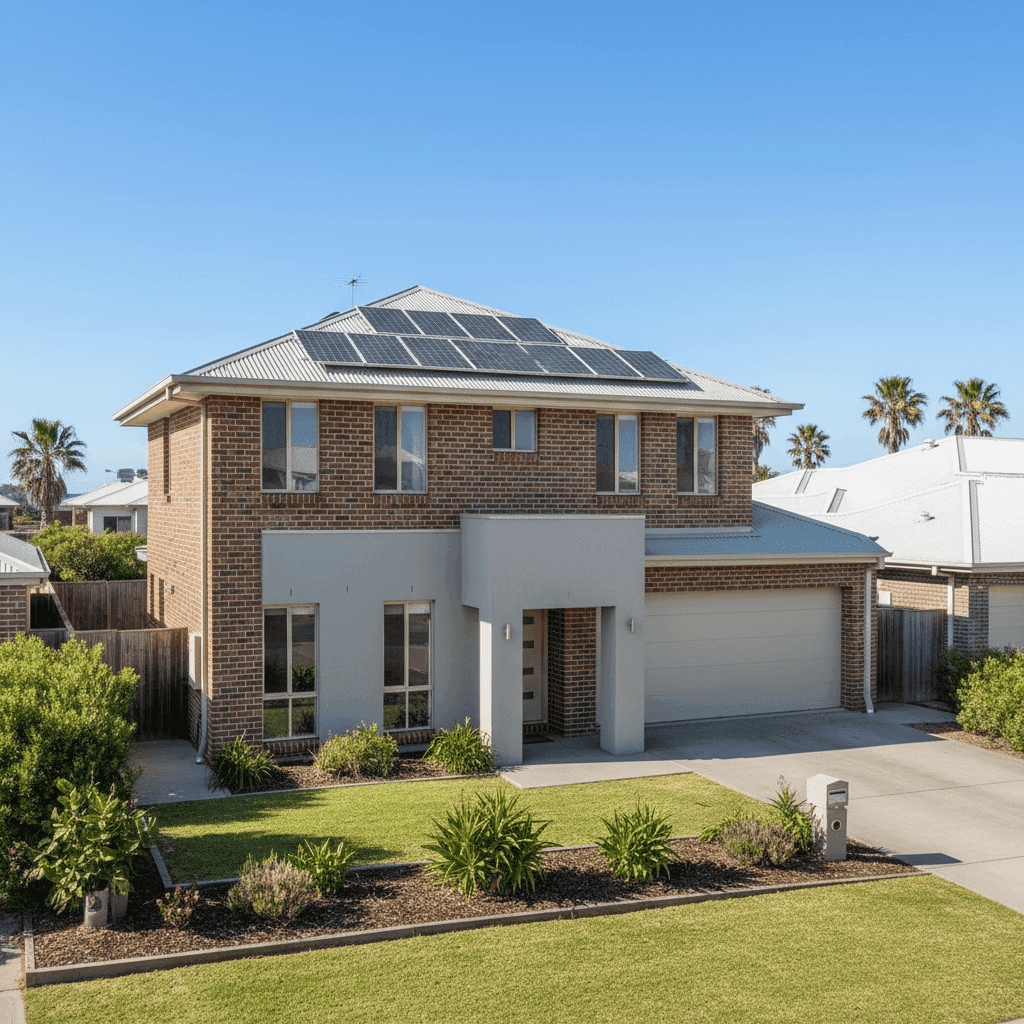
Two Rocks is a coastal suburb sitting at the northern fringe of Perth's metropolitan area, known for its relaxed seaside character and relatively newer housing stock. For owners of a free-standing home in this postcode, understanding what drives your building insurance premium — and whether you're paying a fair price — can make a meaningful difference to your household budget. This article breaks down a recent building-only quote for a four-bedroom, two-bathroom home in Two Rocks (WA 6037) and puts the numbers in context.
---
Is This Quote Fair?
The quote in question sits at $2,315 per year (or $222 per month) for building-only cover, with a sum insured of $701,000 and a building excess of $5,000. Our price rating for this quote is Expensive — above average for the suburb.
To put that in perspective, the suburb average premium in Two Rocks is $1,538/yr, and the median sits considerably lower at $1,183/yr. This quote comes in roughly 51% above the suburb average and nearly double the median. That's a notable gap, and it's worth understanding why before simply accepting the figure.
That said, context matters. The quote is right at the suburb's 75th percentile ($2,313/yr), meaning roughly three-quarters of comparable quotes in the area come in cheaper — but a meaningful portion of homeowners do pay around this level. The sum insured of $701,000 is on the higher end for the area, which will naturally push the premium upward. A higher sum insured reflects a greater liability for the insurer, and premiums scale accordingly.
It's also worth noting that a $5,000 building excess is relatively high. Choosing a higher excess is one way insurers reduce the premium — but it also means you'd be out of pocket significantly before any claim kicks in. Homeowners should weigh whether this trade-off suits their financial situation.
---
How Two Rocks Compares
Zooming out to the broader picture helps frame where this suburb sits in the national landscape. You can explore the full data on the Two Rocks suburb stats page.
| Benchmark | Premium |
|---|---|
| This quote | $2,315/yr |
| Two Rocks suburb average | $1,538/yr |
| Two Rocks suburb median | $1,183/yr |
| LGA (Wanneroo) average | $1,550/yr |
| WA state average | $2,811/yr |
| WA state median | $2,127/yr |
| National average | $5,347/yr |
| National median | $2,764/yr |
(Based on 24 quotes sampled in the Two Rocks postcode)
Compared to the WA state average of $2,811/yr, this quote is actually below the state benchmark — a reassuring sign that Two Rocks isn't among the most expensive areas to insure in Western Australia. And when stacked against national figures, where the average premium reaches $5,347/yr, Two Rocks looks quite reasonable. Regions in Queensland and northern Australia, where cyclone risk is a dominant factor, pull that national average up significantly.
The Wanneroo LGA average of $1,550/yr aligns closely with the suburb average, suggesting this quote is elevated relative to the immediate local market — though the property's specific features likely explain a portion of that difference.
---
Property Features That Affect Your Premium
Several characteristics of this property have a direct bearing on how insurers price the risk.
Double brick construction is generally viewed favourably by insurers. It offers strong resistance to fire, wind, and structural damage compared to timber or lightweight cladding. All else being equal, double brick homes often attract more competitive premiums, and it's likely this feature is helping keep the quote from being even higher.
Colorbond steel roofing is another positive signal for insurers. It's durable, low-maintenance, and performs well in extreme weather. Unlike terracotta or concrete tiles, it's less prone to cracking and is widely used across WA's coastal suburbs for good reason.
Solar panels add a layer of complexity to building insurance. The panels themselves — and the inverter and associated wiring — represent an additional asset that needs to be covered under the building sum insured. Homeowners should confirm with their insurer that solar infrastructure is explicitly included in their policy, as some policies treat it differently. This addition likely contributes to the higher sum insured of $701,000.
Ducted climate control is another fixed installation that increases the rebuild cost of the home. Ducted systems are expensive to replace, and insurers factor this into the sum insured calculation. At 214 sqm, this home is a solid size, and with quality fittings throughout, the $701,000 sum insured appears to reflect a thorough assessment of rebuild costs rather than over-insurance.
Slab foundation is standard for Perth-area homes built in the 2000s and is considered low-risk by most insurers. Combined with the 2007 construction year — recent enough to comply with modern building codes but old enough to have a settled track record — the property profile is relatively straightforward from an underwriting perspective.
Notably, this property is not in a cyclone risk zone, which is a meaningful cost saving compared to homes in northern WA or Queensland coastal areas where cyclone premiums can be substantial.
---
Tips for Homeowners in Two Rocks
1. Shop around — seriously. With a suburb median of $1,183/yr and this quote at $2,315/yr, there's clearly significant variation in what insurers will charge for the same property. Different insurers weight risk factors differently, and a quote that's expensive with one provider may be average with another. Use a comparison platform like CoverClub to see multiple quotes side by side.
2. Review your sum insured carefully. At $701,000, this home is insured for a substantial rebuild cost. It's worth getting a professional building valuation or using an online calculator to confirm this figure is accurate — neither over-insuring (paying unnecessarily high premiums) nor under-insuring (being caught short at claim time) is ideal.
3. Consider your excess strategically. A $5,000 building excess is high. While it reduces the annual premium, it means you'd need to fund the first $5,000 of any claim yourself. If you have strong emergency savings, this may be fine — but if not, a lower excess with a slightly higher premium might offer better peace of mind.
4. Confirm your solar panels are covered. Given the solar installation on this property, it's essential to verify that your policy explicitly covers the panels, inverter, and associated wiring under the building sum insured. Ask your insurer directly and get confirmation in writing if needed.
---
Compare Your Options with CoverClub
Whether you're renewing your existing policy or shopping for the first time, it pays to compare. CoverClub makes it easy for Australian homeowners to see real quotes from multiple insurers in one place — so you can make a confident, informed decision rather than simply accepting the first number that lands in your inbox. Get a building insurance quote today and see how your premium stacks up.