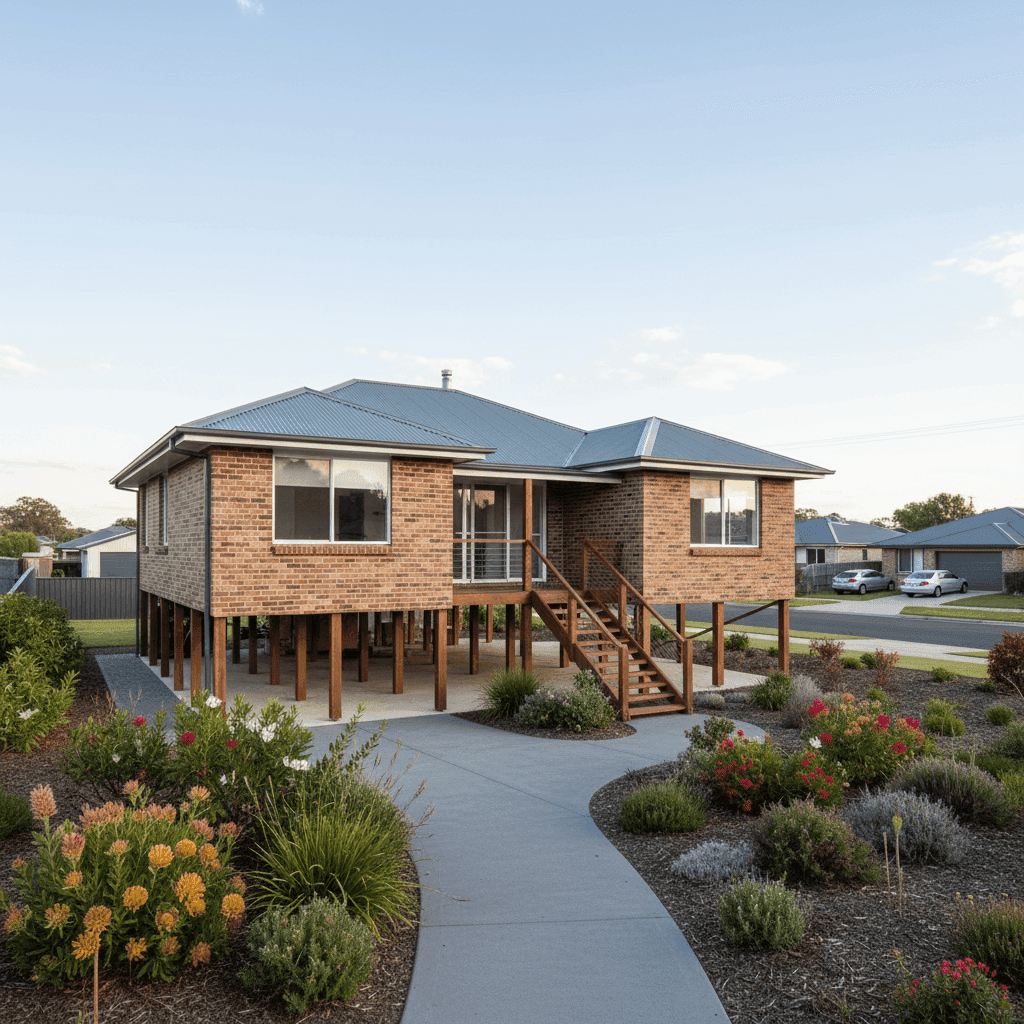
If you own a free standing home in Underwood, TAS 7268, you've probably wondered whether you're paying a fair price for home insurance — or quietly overpaying year after year. To help answer that question, we've analysed a real home and contents insurance quote for a three-bedroom brick veneer property in the suburb, and compared it against local, state, and national benchmarks. Here's what the numbers reveal.
---
Is This Quote Fair?
The annual premium for this property came in at $2,747 per year (or $284 per month), covering both building and contents with a building sum insured of $588,000 and contents valued at $50,000. Our pricing model rates this quote as CHEAP — below average for the area.
That's genuinely good news for this homeowner. The quote sits comfortably below the Underwood suburb average of $3,890 per year and even below the suburb's 25th percentile of $3,033 — meaning it's cheaper than at least three-quarters of comparable quotes collected in the area. In practical terms, this homeowner is saving over $1,100 annually compared to what many of their neighbours are paying.
The building excess is set at $3,000 and the contents excess at $2,000, which are on the higher side. Opting for higher excesses is a common strategy to bring down premiums, so it's worth keeping in mind that any claim will require a meaningful out-of-pocket contribution before the insurer steps in.
---
How Underwood Compares
To put this quote in full context, let's look at how Underwood stacks up across different levels of comparison. You can explore the full local data on the Underwood suburb stats page.
| Benchmark | Premium |
|---|---|
| This Quote | $2,747/yr |
| Underwood Suburb Average | $3,890/yr |
| Underwood Suburb Median | $3,999/yr |
| Underwood 25th Percentile | $3,033/yr |
| Underwood 75th Percentile | $4,344/yr |
| TAS State Average | $2,814/yr |
| TAS State Median | $2,326/yr |
| National Average | $5,347/yr |
| National Median | $2,764/yr |
| Dorset LGA Average | $2,264/yr |
A few things stand out here. First, Underwood's suburb average ($3,890) is noticeably higher than the broader Tasmanian state average of $2,814, suggesting that local risk factors — whether flood exposure, remoteness, or property characteristics — are pushing premiums up for many households in the postcode. The Dorset LGA average of $2,264 is the lowest benchmark in the table, hinting that other parts of the local government area may attract more competitive pricing.
Compared to the national average of $5,347, both this quote and the Underwood suburb average look quite reasonable. Homeowners in high-risk coastal or flood-prone regions across Australia are often paying significantly more, which helps put Tasmania's relatively moderate premiums in perspective.
It's worth noting that the suburb sample size here is nine quotes, so the local averages should be treated as a useful guide rather than a definitive benchmark — more data points over time will sharpen that picture.
---
Property Features That Affect Your Premium
Insurers don't price every home the same way. A range of property characteristics feed into the final premium, and this particular home has several features worth understanding.
Brick Veneer Walls Brick veneer is generally viewed favourably by insurers. It offers solid fire resistance and durability compared to timber weatherboard, which can contribute to more competitive premiums. It's not as robust as full double-brick construction, but it strikes a good balance for most underwriters.
Steel/Colorbond Roof A Colorbond steel roof is considered low-maintenance and highly durable. It performs well in high winds and is resistant to ember attack — a meaningful consideration in parts of Tasmania that border bushfire-prone land. This roof type is generally neutral to positive from a pricing perspective.
Elevated on Stumps This is one of the more significant factors for this property. Being elevated by at least one metre on stumps means the home sits above ground level, which can reduce the risk of inundation from surface water flooding. However, stump foundations also introduce their own maintenance considerations — deteriorating stumps can lead to structural movement, and insurers will factor in the age of the home (built in 1967) when assessing this risk.
Construction Year: 1967 Older homes often attract higher premiums because ageing electrical wiring, plumbing, and structural elements can increase the likelihood of a claim. A home approaching 60 years old may have original services that haven't been fully upgraded, and this is something insurers typically account for in their pricing models.
Standard Fittings, Carpet Flooring Standard-quality fittings and carpet flooring keep the rebuild cost estimate grounded. High-end finishes — think stone benchtops, hardwood floors, or custom joinery — can push the sum insured significantly higher. The $588,000 building sum insured reflects the full cost to rebuild the home from the ground up, not its market value.
No Pool, No Solar, No Cyclone Risk The absence of a swimming pool, solar panels, and cyclone exposure all simplify the risk profile. Pools and solar systems add replacement value and liability considerations, while cyclone-rated construction requirements can add substantially to rebuild costs in affected regions. None of these apply here.
---
Tips for Homeowners in Underwood
1. Review your sum insured regularly Building costs in Tasmania have risen sharply over recent years. If your sum insured hasn't been updated since you took out the policy, you may be underinsured — meaning you'd face a shortfall if you needed to rebuild. Use an independent building cost calculator or speak with a quantity surveyor to validate your figure.
2. Consider whether your excess settings suit your situation The $3,000 building excess on this policy is relatively high. While it's helped keep the premium down, make sure you have that amount readily accessible in the event of a claim. If cash flow is a concern, it may be worth modelling the premium difference at a lower excess level.
3. Get your stumps inspected periodically For homes on stump foundations — particularly those built in the 1960s — having a licensed builder or building inspector assess the condition of your stumps every few years is smart maintenance. Insurers may query the structural integrity of an older stump-founded home, and proactive upkeep protects both your property and your claim eligibility.
4. Compare quotes at renewal time The insurance market shifts year to year, and loyalty doesn't always pay. Even if your current premium is competitive — as this one appears to be — it's worth running a fresh comparison at each renewal to ensure you're still getting value. Premiums can change significantly based on insurer appetite, reinsurance costs, and local claims history.
---
Ready to Compare Your Own Quote?
Whether you're a first-time buyer or a long-term homeowner in Underwood, comparing home insurance quotes is one of the simplest ways to protect your budget. CoverClub makes it easy to see how your premium stacks up against real data from your suburb and state.
Get a home insurance quote today and find out whether you're paying a fair price — or whether there's a better deal waiting for you.