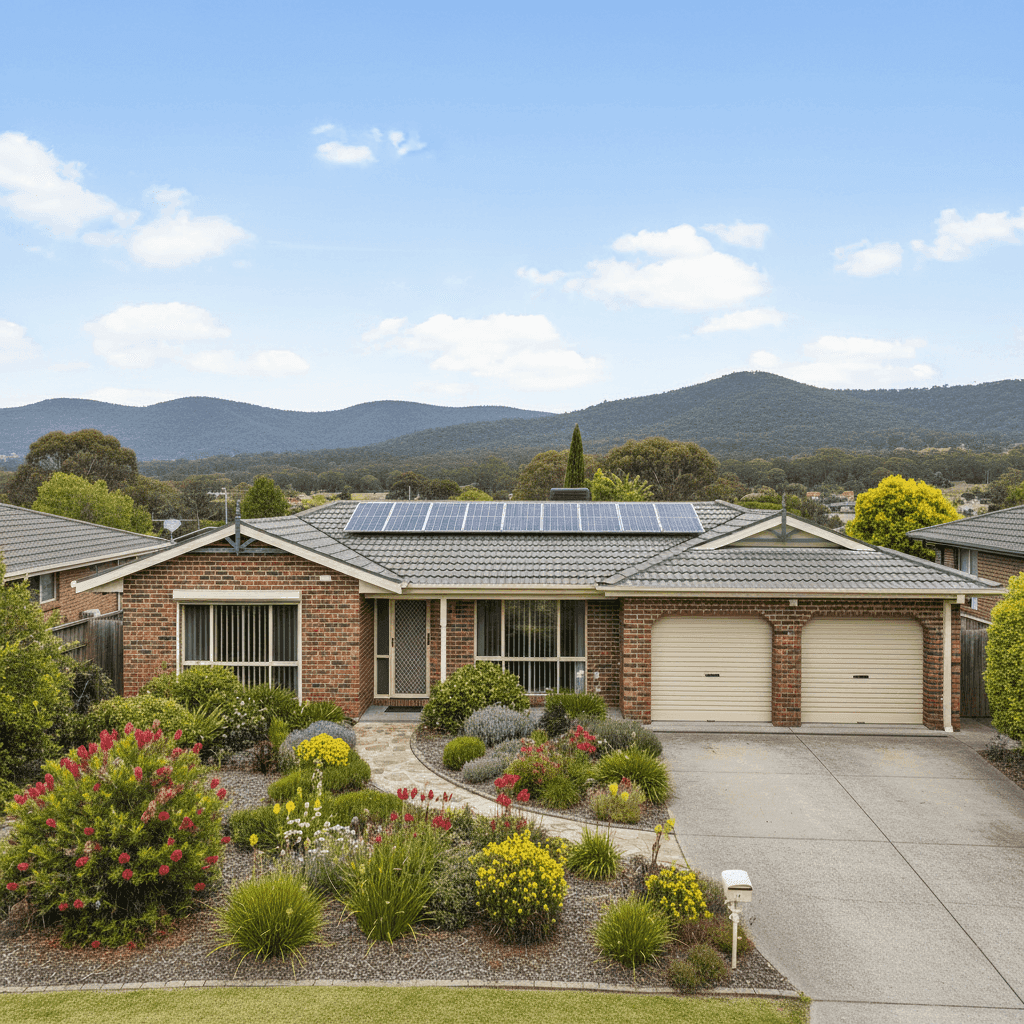
If you own a free standing home in Upper Ferntree Gully, VIC 3156, you've probably wondered whether you're paying too much — or too little — for your home insurance. Nestled in the foothills of the Dandenong Ranges, Upper Ferntree Gully is a leafy, semi-rural suburb that comes with its own unique set of risks and rewards for homeowners. This article breaks down a real home and contents insurance quote for a 4-bedroom, 2-bathroom brick veneer home in the area, and puts the numbers in context so you can make a more informed decision.
---
Is This Quote Fair?
The annual premium for this quote comes in at $1,707 per year (or roughly $157 per month), covering a building insured for $451,000 and contents valued at $90,000. Based on our pricing data, this quote is rated CHEAP — sitting well below average for the suburb.
To put that in perspective, the suburb average for Upper Ferntree Gully sits at $3,513 per year, meaning this quote is roughly 51% below what other homeowners in the same postcode are typically paying. Even compared to the suburb's 25th percentile — the point at which only 25% of quotes are cheaper — this premium of $1,707 still undercuts that benchmark of $2,736 per year.
This is a notably competitive result. It suggests the insurer has assessed this particular property's risk profile favourably, which could be influenced by a combination of the property's construction type, features, and the specific insurer's pricing model. That said, it's always worth checking what's included and what the excess obligations look like — more on that below.
---
How Upper Ferntree Gully Compares
Understanding where your suburb sits relative to broader benchmarks helps you gauge whether a quote is genuinely good value or simply reflects a lower level of cover.
| Benchmark | Annual Premium |
|---|---|
| This Quote | $1,707 |
| Suburb Average (Upper Ferntree Gully) | $3,513 |
| Suburb Median | $2,953 |
| Suburb 25th Percentile | $2,736 |
| VIC State Average | $3,000 |
| VIC State Median | $2,718 |
| National Average | $5,347 |
| National Median | $2,764 |
| LGA Average (Casey) | $2,142 |
Upper Ferntree Gully's suburb average of $3,513 sits above both the Victorian state average ($3,000) and the national median ($2,764). This reflects the elevated risk profile that comes with living near bushland — a significant factor in this part of the Dandenong Ranges foothills, where bushfire risk can push premiums higher across the board.
Interestingly, the LGA average for Casey ($2,142) is considerably lower than the Upper Ferntree Gully suburb average. This makes sense geographically — much of the City of Casey covers lower-risk, flat suburban terrain, whereas Upper Ferntree Gully's proximity to national parkland introduces greater bushfire exposure.
You can explore the full breakdown of local pricing data on the Upper Ferntree Gully insurance stats page, compare it against all of Victoria, or see how it stacks up against national averages.
---
Property Features That Affect Your Premium
Several characteristics of this property are worth examining, as they each play a role in how insurers calculate risk and price a policy.
Brick Veneer Walls & Tiled Roof Brick veneer construction with a tiled roof is generally viewed favourably by insurers. Brick veneer offers solid fire resistance compared to timber-framed or weatherboard exteriors, and tiles are durable and less susceptible to ember attack than some other roofing materials. This combination likely contributes to a more competitive premium.
Construction Year: 1972 At over 50 years old, this home predates many modern building standards. Older homes can attract slightly higher premiums due to the potential for aging plumbing, wiring, and structural wear. However, if the property has been well maintained or renovated, this risk is often mitigated.
Slab Foundation A concrete slab foundation is generally considered low-risk for subsidence and movement, which is a positive factor. It also reduces the likelihood of underfloor pest damage or moisture issues that can affect raised foundations.
Solar Panels The presence of solar panels adds value to the property and is factored into the sum insured. It's important to confirm with your insurer that solar panels are explicitly covered under your building policy — both for damage to the panels themselves and any liability associated with them.
Ducted Climate Control Ducted heating and cooling systems represent a significant fixed asset in the home. These are typically covered under building insurance, but it's worth verifying the policy wording to ensure the full replacement cost is accounted for within your sum insured of $451,000.
No Pool The absence of a swimming pool removes one common liability risk factor, which can modestly reduce premiums compared to properties with pools.
Bushfire Proximity While not a listed feature, Upper Ferntree Gully's location near the Dandenong Ranges means bushfire risk is a real consideration. Many properties in this area carry a Bushfire Attack Level (BAL) rating, which can significantly influence premiums. It's worth checking your property's BAL rating and ensuring your policy includes adequate bushfire cover.
---
Tips for Homeowners in Upper Ferntree Gully
1. Check your Bushfire Attack Level (BAL) rating Properties in Upper Ferntree Gully can fall under various BAL ratings depending on their proximity to vegetation. Your BAL rating directly affects your premium and the building standards required for your home. You can obtain an assessment through your local council or a qualified assessor — and make sure your insurer is aware of the correct rating.
2. Review your sum insured annually With a building insured at $451,000 and contents at $90,000, it's essential to revisit these figures each year. Construction costs in Victoria have risen sharply in recent years, and underinsurance remains one of the most common and costly mistakes homeowners make. Use a building replacement cost calculator to verify your sum insured is adequate.
3. Understand your excess obligations This policy carries a $3,000 building excess and a $2,000 contents excess. These are on the higher end of the scale and are worth factoring into your decision. A lower excess option may be available at a slightly higher premium — consider whether the trade-off suits your financial situation.
4. Maintain your property's bushfire defences Insurers and emergency services alike recommend keeping gutters clear of leaf litter, maintaining a defendable space around your home, and ensuring ember guards are fitted to vents and gaps. Not only does this reduce your actual risk, but some insurers may offer discounts or more favourable terms for well-maintained properties in bushfire-prone areas.
---
Compare Quotes and Find Better Value
Whether this quote is the right fit depends on your individual circumstances, the level of cover provided, and how the policy's fine print stacks up. A cheap premium is only great value if it actually covers what you need when you need it most.
The best way to know you're getting a fair deal is to compare multiple quotes side by side. Run your own quote at CoverClub to see how different insurers price your specific property — it only takes a few minutes and could save you hundreds of dollars a year.