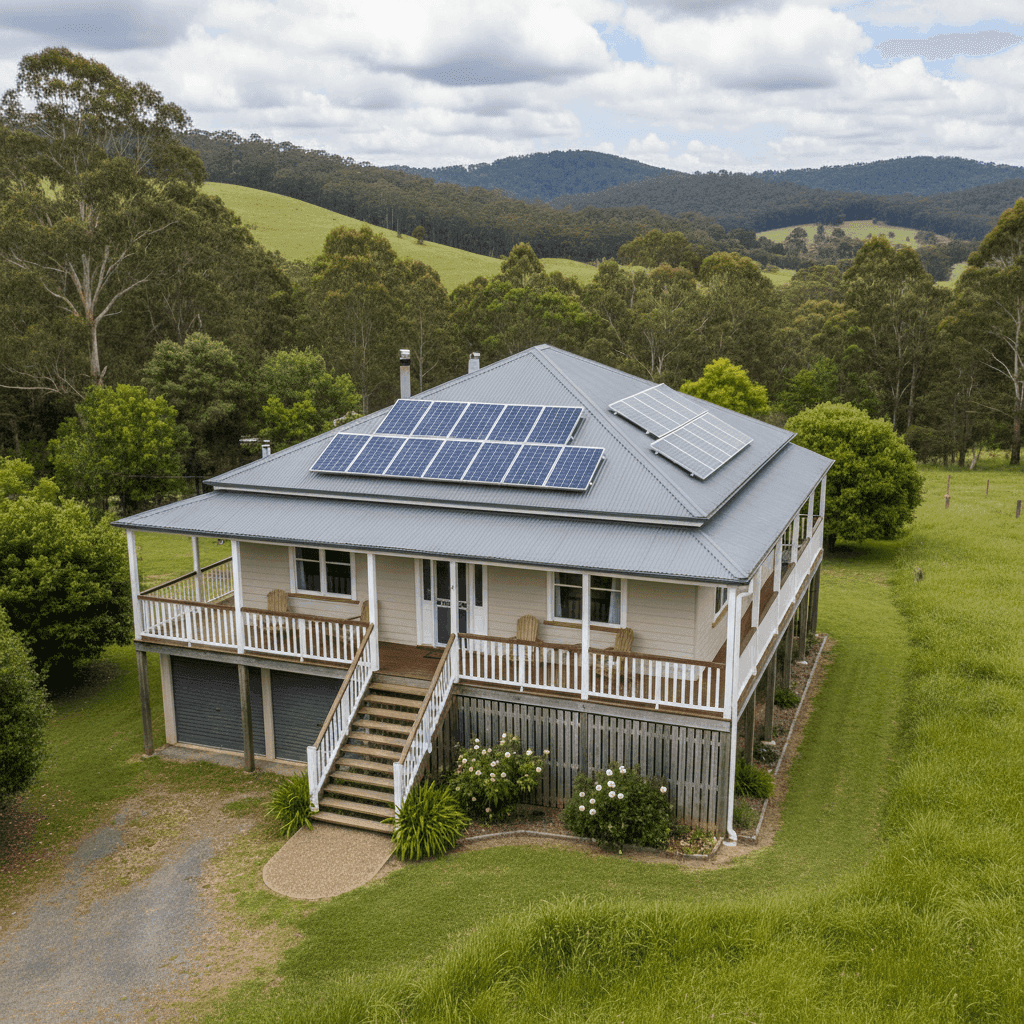
Upper Lansdowne is a quiet rural locality nestled in the Mid-Coast region of New South Wales, and like many properties in the area, a well-built weatherboard home here carries its own unique set of insurance considerations. This article breaks down a real home and contents insurance quote for a 3-bedroom, 2-bathroom free-standing home in Upper Lansdowne (NSW 2430), helping you understand whether the premium stacks up — and what's driving the cost.
---
Is This Quote Fair?
The quote in question comes in at $6,192 per year (or $586/month), covering both building and contents for a home insured at $787,000 with $80,000 in contents cover. Both the building and contents excess sit at $1,000.
Our price rating for this quote is CHEAP — Below Average, which is genuinely good news for the homeowner. Despite covering a substantial building sum insured, the annual premium lands below what most comparable properties in the area are paying.
To put that in perspective:
- The suburb average for Upper Lansdowne is $5,668/yr, and the suburb median is $6,246/yr
- This quote of $6,192 sits just below the median, confirming it's a competitive price for the area
- The suburb 25th percentile is $6,227/yr and the 75th percentile is $6,892/yr — meaning this premium is well within the lower half of the local range
So while the quote isn't the absolute cheapest available in the postcode, it's clearly on the right side of average. For a property of this size and construction type, that's a solid result.
---
How Upper Lansdowne Compares
Understanding your premium means looking beyond your own street. Here's how Upper Lansdowne sits within the broader insurance landscape:
| Benchmark | Average Premium |
|---|---|
| Upper Lansdowne (NSW 2430) | $5,668/yr (avg) |
| NSW State Average | $9,528/yr |
| National Average | $5,347/yr |
| LGA (Mid-Coast) Average | $5,840/yr |
A few things stand out here. The NSW state average of $9,528/yr is remarkably high — nearly 68% more than what this homeowner is paying. This is largely because NSW averages are pulled upward by high-risk flood and storm zones, densely populated urban areas, and coastal properties commanding significant rebuild costs.
The national average of $5,347/yr is actually lower than the Upper Lansdowne suburb average, which reflects the diversity of property types and risk profiles across Australia. Rural and regional properties can sometimes attract higher premiums due to limited insurer competition and longer emergency response times.
It's also worth noting the gap between the NSW average ($9,528) and median ($3,770). This wide spread signals that a relatively small number of very high-risk or high-value properties are pulling the state average up significantly. The median is a more reliable guide for typical homeowners.
For a deeper look at how your postcode compares, visit the Upper Lansdowne insurance stats page.
---
Property Features That Affect Your Premium
Every insurer weighs up your property's characteristics when calculating risk. Here's how the features of this particular home likely influence the premium:
Weatherboard timber walls are one of the most common construction types in older and semi-rural NSW homes, but they do carry a higher fire risk than brick or rendered masonry. Insurers typically price this in, though the impact varies between providers.
Steel/Colorbond roofing is generally viewed favourably by insurers. It's durable, low-maintenance, and performs well in high-wind events — a relevant consideration for any property in regional NSW.
Stump foundations (also known as stumped or raised foundations) elevate the home off the ground, which can reduce flood and moisture risk. This home is elevated by less than 1 metre, which may offer modest flood mitigation benefits, though it won't qualify for the steeper discounts associated with homes raised higher above ground level.
Timber and laminate flooring is a standard feature in homes of this era and construction type, and doesn't significantly move the needle on premium in either direction.
Solar panels are an increasingly common feature across Australian homes, and this property has them installed. Solar panels add replacement value to a claim (they're typically covered under building insurance) and some insurers factor this into their pricing.
Ducted climate control is another feature that adds to the insured value of the home. These systems can be expensive to repair or replace, particularly in regional areas where trades may need to travel further.
No pool and no cyclone risk area both work in the homeowner's favour. Pools add liability exposure, and cyclone-rated areas attract significant premium loadings — neither applies here.
Built in 1999, the home is relatively modern by rural NSW standards, which generally means more compliant construction and lower risk compared to pre-1980s homes.
---
Tips for Homeowners in Upper Lansdowne
1. Review your sum insured regularly With building costs rising sharply across regional NSW, it's easy for your sum insured to fall behind the actual cost of rebuilding your home. A $787,000 building cover may be appropriate now, but factor in annual reviews — especially if you've made improvements or renovations.
2. Shop around at renewal time Even if your current premium is rated as cheap, insurers adjust their pricing models each year. What's competitive today may not be next year. Use a comparison tool like CoverClub to benchmark your renewal quote before automatically accepting it.
3. Consider your excess carefully This policy carries a $1,000 excess on both building and contents. A higher excess typically lowers your premium, but make sure the excess is an amount you can genuinely afford at short notice in the event of a claim. Conversely, if cash flow allows, a higher excess could be a smart way to reduce your annual outgoing.
4. Check your contents cover reflects reality $80,000 in contents cover is a reasonable starting point, but it's worth doing a room-by-room audit of your belongings every year or two. Electronics, appliances, furniture, and clothing add up quickly — and being underinsured at claim time can be a costly surprise.
---
Compare Your Own Quote
Whether you're a homeowner in Upper Lansdowne or elsewhere in regional NSW, it pays to know where your premium sits relative to the market. CoverClub makes it easy to compare home and contents insurance quotes in minutes, with transparent pricing data for your suburb.