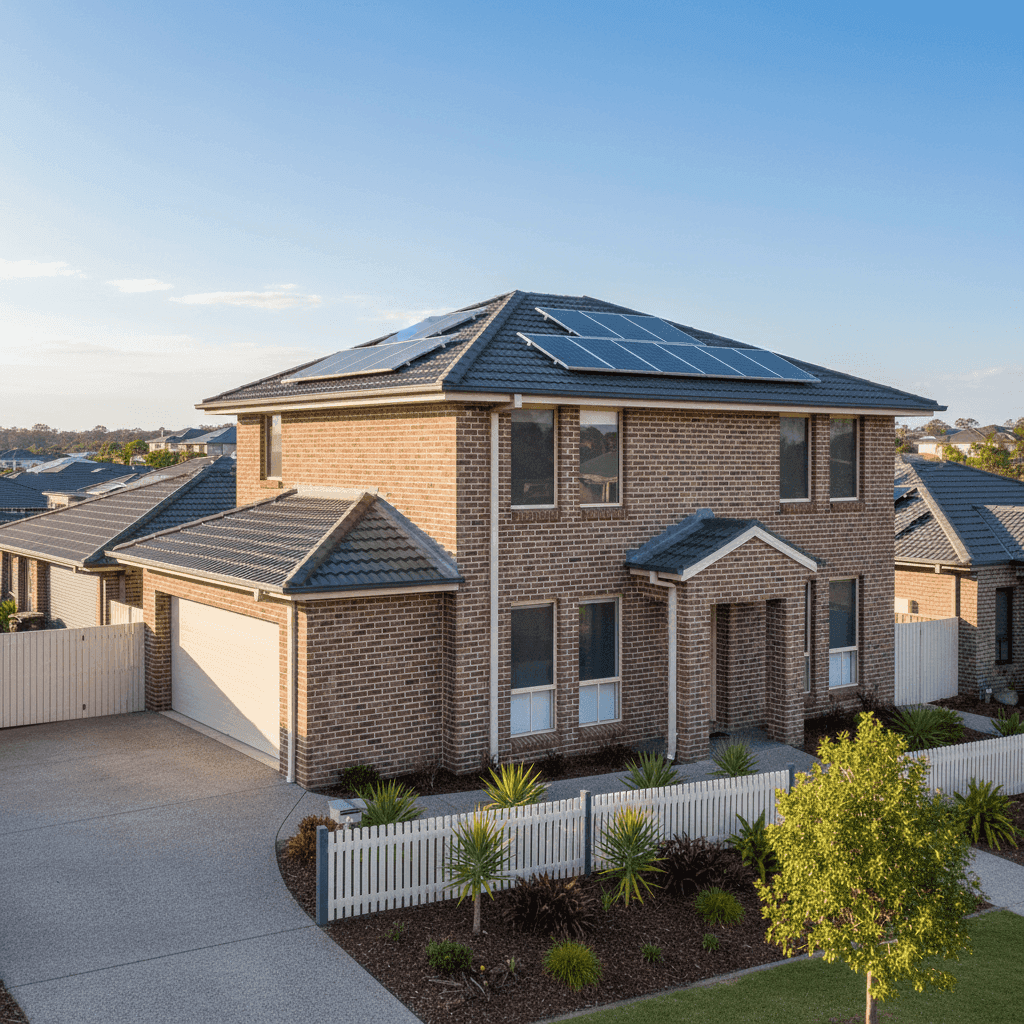
If you own a free standing home in Varsity Lakes, QLD 4227, you've probably noticed that home insurance costs on the Gold Coast can vary enormously. This article breaks down a real home and contents insurance quote for a three-bedroom, two-bathroom brick veneer home in the suburb — and puts the numbers in context so you can judge whether your own policy is priced fairly.
---
Is This Quote Fair?
The quote in question comes in at $1,071 per year (or roughly $105 per month) for combined home and contents cover, with a building sum insured of $354,000 and contents valued at $50,000. The building excess sits at $3,000, while the contents excess is a more modest $600.
Based on CoverClub's pricing data, this quote is rated CHEAP — below average for the area. That's genuinely good news for the homeowner. In a suburb where insurance costs can run very high, landing a premium well beneath the local average suggests either a competitive insurer, a favourable risk profile, or both.
To put it plainly: this homeowner is paying significantly less than most of their neighbours for equivalent cover. That's worth understanding in detail.
---
How Varsity Lakes Compares
The price gap between this quote and local benchmarks is striking. Here's how the numbers line up:
| Benchmark | Premium |
|---|---|
| This quote | $1,071/yr |
| Varsity Lakes 25th percentile | $2,560/yr |
| Varsity Lakes median | $4,024/yr |
| Varsity Lakes average | $6,157/yr |
| Varsity Lakes 75th percentile | $7,515/yr |
| Gold Coast LGA average | $5,494/yr |
| QLD state average | $4,547/yr |
| QLD state median | $3,931/yr |
| National average | $2,965/yr |
| National median | $2,716/yr |
Based on 62 quotes collected for Varsity Lakes (QLD 4227), the suburb's average premium of $6,157 is notably higher than both the QLD state average of $4,547 and the national average of $2,965. This reflects the Gold Coast's elevated exposure to weather-related risks — including storm surge, flooding, and severe hail events — which push premiums up across the board.
What makes this particular quote stand out is that it sits below even the national median of $2,716, let alone the local benchmarks. For a suburb where three-quarters of homeowners are paying more than $7,500 a year, this is a genuinely exceptional result.
---
Property Features That Affect Your Premium
Several characteristics of this property likely contribute to its competitive premium. Understanding these factors can help any homeowner make sense of their own quote.
Brick Veneer Construction
Brick veneer external walls are generally viewed favourably by insurers. They offer solid fire resistance and structural durability compared to lightweight cladding options, which can translate into lower rebuilding risk assessments.
Tiled Roof
A tiled roof is one of the more resilient roofing materials available, performing well in hail and wind events when properly maintained. Insurers typically price tiled roofs more competitively than corrugated iron or older materials like asbestos cement sheeting.
Slab Foundation
A concrete slab foundation reduces the risk of subfloor damage from moisture, pests, and ground movement. It also simplifies the risk profile compared to raised timber stumps, which can be more vulnerable to flooding and decay over time.
Elevation: Less Than 1 Metre
The property is noted as slightly elevated — less than one metre — which provides a marginal buffer against surface water intrusion during heavy rainfall events. While this elevation is modest, it can still positively influence flood risk assessments depending on the insurer's methodology.
Built in 2005
A construction year of 2005 means the home was built under relatively modern building codes, which introduced improved standards for wind and cyclone resistance across Queensland. Newer builds often attract more competitive premiums than older homes that may require more costly repairs or have outdated electrical and plumbing systems.
Solar Panels
The presence of solar panels adds some replacement value to the property. Homeowners should confirm with their insurer that the panels are explicitly included in their building sum insured — some policies cover them automatically, while others require a specific endorsement.
No Pool, No Ducted Climate Control
The absence of a swimming pool and ducted air conditioning system simplifies the risk profile and reduces the overall replacement cost, both of which can help keep premiums down.
---
Tips for Homeowners in Varsity Lakes
Whether you're renewing your policy or shopping around for the first time, here are four practical steps to make sure you're getting the best deal possible.
1. Don't Assume Your Current Insurer Is Competitive
The wide spread of premiums in Varsity Lakes — from $2,560 at the 25th percentile to $7,515 at the 75th — shows just how much prices vary between insurers for similar properties. It's worth comparing quotes every year at renewal time, even if you're happy with your current provider.
2. Review Your Building Sum Insured Carefully
A sum insured of $354,000 for a 130 sqm home built in 2005 needs to reflect actual rebuild costs — not market value. Construction costs in South East Queensland have risen sharply in recent years. Use a building cost calculator or speak with a quantity surveyor to make sure you're not underinsured.
3. Confirm Solar Panel Coverage
If your home has solar panels (as this one does), check the fine print of your policy. Confirm whether the panels, inverter, and associated wiring are included under your building cover, and whether storm or hail damage is explicitly covered. Some policies have exclusions or sub-limits that could leave you out of pocket after a severe weather event.
4. Consider Your Excess Strategy
This quote carries a relatively high building excess of $3,000. A higher excess typically lowers your annual premium, which is a sensible trade-off if you have the savings to cover it in an emergency. However, make sure the excess is genuinely affordable — particularly given the Gold Coast's exposure to storm and hail damage, where claims can arise more frequently than in lower-risk areas.
---
Compare Your Own Quote
Premiums in Varsity Lakes vary more than almost anywhere in Queensland, which means there's real money to be saved by shopping around. Whether you're paying close to the suburb average or hoping to find a deal like the one analysed here, the best way to know is to compare.
Get a home insurance quote at CoverClub and see how your current premium stacks up against the market — it only takes a few minutes and could save you thousands.