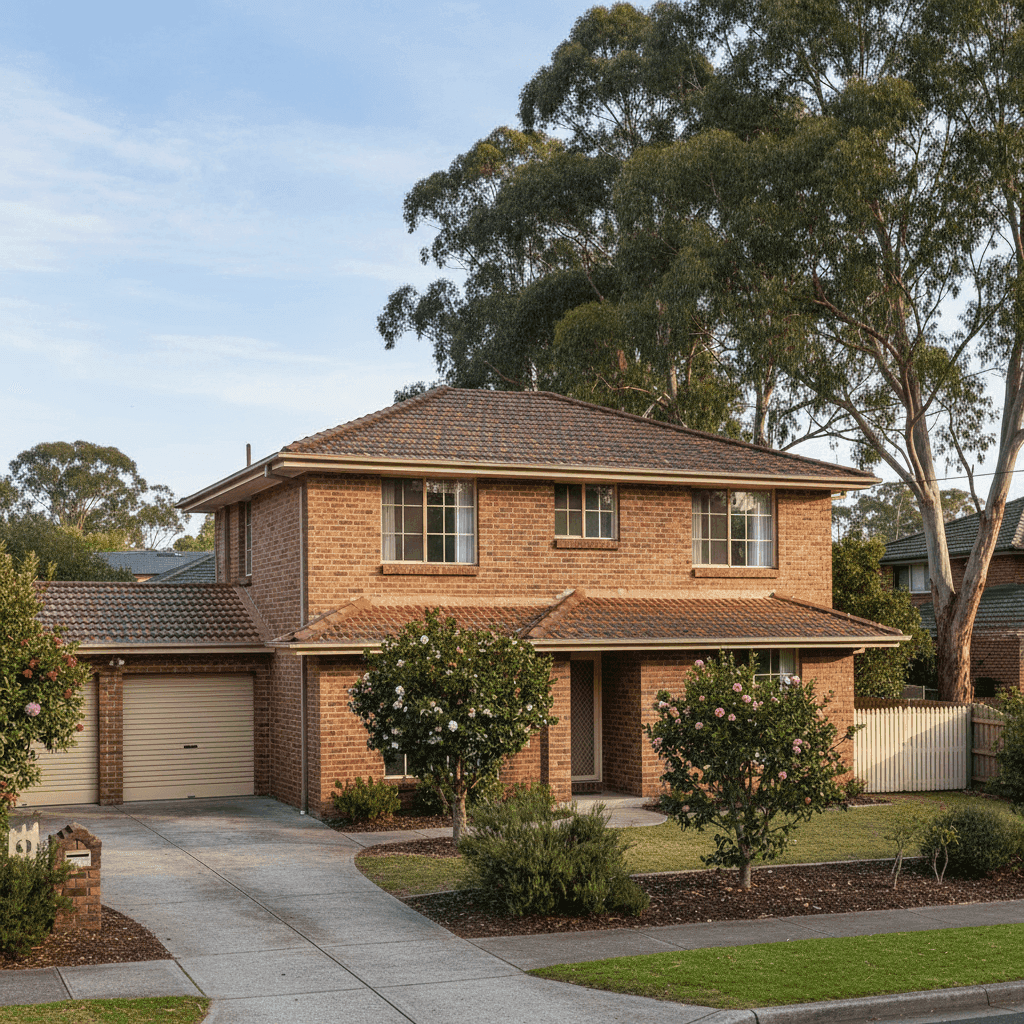
Vermont is a well-established suburban pocket in Melbourne's east, sitting within the City of Maroondah and known for its leafy streets, family-friendly atmosphere, and a solid mix of post-war and mid-century homes. If you own a free standing home here — particularly one built in the 1960s with brick veneer walls and a tiled roof — understanding what you should be paying for home and contents insurance is a smart financial move. This article breaks down a real insurance quote for a 3-bedroom, 2-bathroom property in Vermont (VIC 3133), compares it against local and national benchmarks, and offers practical tips to help you get the best value cover.
---
Is This Quote Fair?
The annual premium for this property came in at $1,498 per year (or roughly $144 per month), covering both building (sum insured: $439,000) and contents ($200,000), each with a $1,000 excess.
Our analysis rates this quote as FAIR — Around Average. That's not a bad result. It means the premium sits in a reasonable range for this type of property in this suburb, without being a standout bargain or an obvious overpayment.
To put that in context:
- The suburb average for Vermont (3133) is $1,663/yr, meaning this quote comes in $165 below what most Vermont homeowners are paying.
- The suburb median sits at $1,537/yr, so this quote is also just below the midpoint — a positive sign.
- Vermont's 25th percentile is $1,328/yr and the 75th percentile is $1,850/yr, placing this premium comfortably in the middle band of the local market.
In short, while there may be room to find a cheaper policy, this quote is not out of line with what the local market is offering. It's a reasonable starting point — but "fair" doesn't mean you shouldn't shop around.
---
How Vermont Compares to the Rest of Victoria and Australia
One of the most striking takeaways from this data is just how affordable Vermont is compared to broader benchmarks. Check out Vermont's suburb insurance stats for the full picture, but here's a quick summary:
| Benchmark | Annual Premium |
|---|---|
| This quote | $1,498 |
| Vermont suburb average | $1,663 |
| Vermont suburb median | $1,537 |
| Maroondah LGA average | $2,133 |
| Victoria state average | $3,000 |
| Victoria state median | $2,718 |
| National average | $5,347 |
| National median | $2,764 |
Vermont homeowners are paying significantly less than the Victorian state average of $3,000/yr — and dramatically less than the national average of $5,347/yr. Even compared to the broader Victorian insurance market, Vermont sits in a very favourable position.
The national insurance data paints an even starker picture. Australia's national average is heavily skewed by high-risk regions — think cyclone-prone areas in Queensland and the Northern Territory, or bushfire-exposed zones in regional New South Wales and Victoria. Vermont, by contrast, is a metropolitan suburb with no cyclone risk designation, which helps keep premiums comparatively low.
It's worth noting that the suburb sample size here is 15 quotes, which is a reasonable but not enormous dataset. As more Vermont homeowners compare quotes through CoverClub, these figures will become even more precise.
---
Property Features That Affect Your Premium
Every home is different, and insurers assess a range of property characteristics when calculating your premium. Here's how the key features of this Vermont property likely influence the cost:
Brick Veneer Walls Brick veneer is one of the most common external wall types in Melbourne's eastern suburbs, and insurers generally view it favourably. It offers good fire resistance and structural durability compared to weatherboard, which can translate to more competitive premiums.
Tiled Roof Terracotta or concrete tiles are a standard roofing material in this era of construction and are considered low-to-moderate risk by most insurers. They're durable and widely understood by assessors, which helps avoid any loading on the premium.
Stump Foundation Built in 1969, this home sits on stumps — a very common foundation type for Melbourne homes of this vintage. Stumps can be a flag for some insurers, particularly if they're original timber stumps that may have deteriorated over time. It's worth confirming whether your policy covers underpinning or restumping costs if required.
Timber and Laminate Flooring These flooring types are factored into the contents and building valuation. Timber floors in particular can add replacement cost considerations, so ensuring your sum insured reflects current rebuild costs is important.
Ducted Climate Control The presence of a ducted heating or cooling system adds to the insured value of the building. These systems can be costly to repair or replace, and it's good to see this reflected in a building sum insured of $439,000.
Construction Year: 1969 Older homes can attract slightly higher premiums due to ageing electrical wiring, plumbing, and roofing materials. However, brick veneer homes from this era are generally well-regarded structurally, and many have been renovated or updated over the decades.
No Pool, No Solar Panels The absence of a pool removes a common liability and maintenance risk. Similarly, no solar panels means no additional complexity around inverter or panel coverage — both factors that can add to premiums.
---
Tips for Homeowners in Vermont
Whether you're reviewing an existing policy or shopping for the first time, here are four practical steps to make sure you're getting the right cover at the right price.
1. Verify Your Building Sum Insured Annually Construction costs have risen sharply across Melbourne in recent years. A sum insured of $439,000 for a 139 sqm home needs to be reviewed each year to ensure it still reflects the true cost of rebuilding — not just the market value of the land and structure. Underinsurance is one of the most common and costly mistakes homeowners make.
2. Check Your Stump Condition If your home still has its original timber stumps from 1969, it's worth having them inspected by a licensed builder. Some insurers exclude damage caused by gradual deterioration, and restumping can be a significant expense. Knowing the condition of your foundation puts you in a stronger negotiating position with insurers.
3. Consider Your Excess Carefully Both the building and contents excess on this policy are set at $1,000. Opting for a higher excess (say, $2,000 or $2,500) can meaningfully reduce your annual premium — but only makes sense if you could comfortably cover that amount out of pocket in the event of a claim. Run the numbers before making changes.
4. Compare at Renewal, Every Year Insurance loyalty rarely pays off. Insurers frequently offer better rates to new customers, meaning long-term policyholders can end up paying a "loyalty tax." Set a reminder to compare quotes at least 30 days before your renewal date so you have time to switch if a better deal is available.
---
Ready to Compare Home Insurance in Vermont?
Whether this quote matches your own or you're starting from scratch, comparing multiple policies is the single most effective way to ensure you're not overpaying. CoverClub makes it easy to see how your premium stacks up against your neighbours and the broader market — in seconds.
Get a home insurance quote for your Vermont property today and see how you compare.