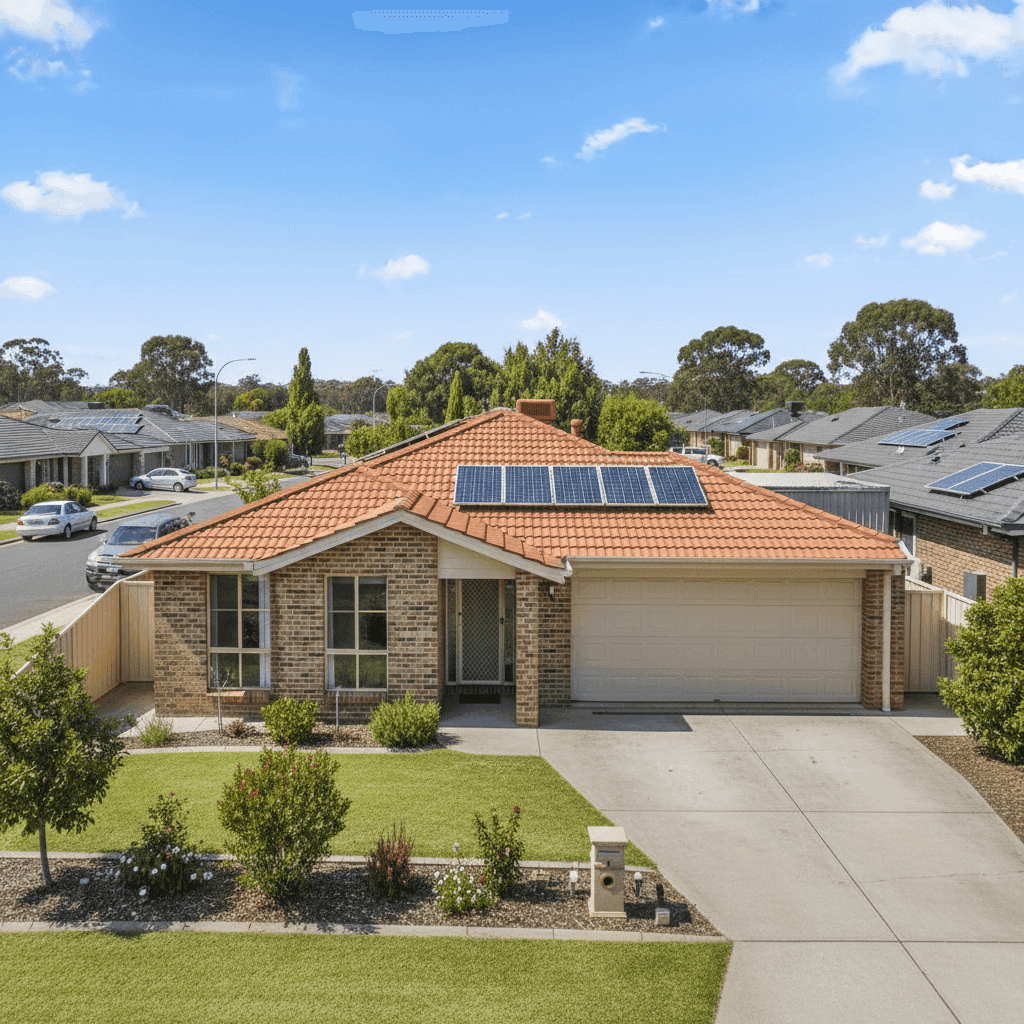
Villawood, a well-established suburb in Sydney's western corridor, is home to thousands of families living in solid, brick-built properties. If you own a free standing home here, understanding what you should be paying for home and contents insurance — and why — can make a real difference to your finances. This article breaks down a recent quote for a four-bedroom, two-bathroom brick veneer home in Villawood (NSW 2163), built in 2005, and puts the numbers into context against local, state, and national benchmarks.
---
Is This Quote Fair?
The quote in question comes in at $1,734 per year (or $169/month) for combined home and contents cover, with a building sum insured of $675,000 and contents valued at $67,000. The building excess sits at $2,000 and the contents excess at $1,000.
Our pricing analysis rates this quote as FAIR — Around Average. That's a reasonable outcome for a property of this size and construction type, though it's worth unpacking what "around average" actually means in this context.
Looking at suburb-level data for Villawood (2163), the average premium across comparable quotes is $2,370 per year, with a median of $2,362. This particular quote sits comfortably below both figures — roughly $636 less than the suburb average. In percentage terms, that's about 27% below the local average, which is a meaningful saving.
The 25th percentile for the suburb is $1,629/yr, meaning 25% of quotes come in at or below that level. At $1,734, this quote sits just above that lower quartile — suggesting it's leaning towards the more competitive end of the market without being the cheapest available. The 75th percentile reaches $2,995/yr, so there's clearly significant room for premiums to climb higher depending on the insurer and the specific risk profile assessed.
---
How Villawood Compares
One of the more striking findings when you zoom out is just how much more expensive home insurance gets at the state and national level — and how Villawood sits within that broader picture.
| Benchmark | Average Premium | Median Premium |
|---|---|---|
| Villawood (2163) | $2,370/yr | $2,362/yr |
| NSW State | $3,801/yr | $3,410/yr |
| National | $2,965/yr | $2,716/yr |
| Canterbury-Bankstown LGA | $9,344/yr | — |
The NSW state average of $3,801/yr is a full 60% higher than the Villawood suburb average — a reflection of the wide range of risk profiles across the state, from flood-prone inland towns to coastal properties exposed to storm surge. Similarly, the national average of $2,965/yr is notably above what Villawood homeowners typically pay.
Perhaps the most eye-catching figure is the Canterbury-Bankstown LGA average of $9,344/yr. This is significantly elevated compared to the Villawood suburb average, which suggests that risk is distributed very unevenly across the LGA. Some pockets — likely those with higher flood or storm risk — are dragging the LGA average up considerably. Villawood itself appears to be a relatively lower-risk area within the broader council boundary, which works in homeowners' favour when it comes to premiums.
---
Property Features That Affect Your Premium
Several characteristics of this property play a role in how insurers price the risk:
Brick Veneer Construction Brick veneer walls are generally viewed favourably by insurers. They offer good fire resistance and structural durability compared to timber-framed or clad exteriors, which can translate into more competitive premiums.
Tiled Roof Terracotta or concrete tile roofs are considered a lower-risk roofing material than alternatives such as corrugated iron or Colorbond in some risk models, though tiles can be more susceptible to hail damage. Overall, a tiled roof on a well-maintained home is unlikely to attract a loading.
Slab Foundation A concrete slab foundation is standard for homes of this era and is generally considered structurally sound. It reduces the risk of subsidence-related claims compared to older pier-and-beam constructions.
Solar Panels This property has solar panels installed, which are typically covered under building insurance as a fixed structure. It's worth confirming with your insurer that the panels are explicitly included in your sum insured — and that the $675,000 building cover adequately accounts for their replacement cost.
Built in 2005 A construction year of 2005 places this home in a relatively modern bracket. Homes built after major updates to the Building Code of Australia benefit from improved structural standards, which can be a positive risk factor for insurers.
No Pool, No Cyclone Risk Zone The absence of a swimming pool removes a common liability and maintenance risk factor. Being outside a cyclone risk zone (as is the case for all of Sydney) also keeps premiums lower than they would be for equivalent properties in Queensland or northern WA.
---
Tips for Homeowners in Villawood
1. Check Your Sum Insured Regularly With construction costs rising across Australia, it's easy for your building sum insured to fall behind the actual cost of rebuilding. At $675,000 for a 235 sqm home, the cover equates to roughly $2,872/sqm — broadly in line with current Sydney rebuild estimates, but worth revisiting annually as costs change.
2. Confirm Solar Panel Coverage If you have solar panels, ask your insurer explicitly whether they are covered under the building policy and up to what value. Some policies have sub-limits or exclusions for solar systems, so it pays to read the Product Disclosure Statement carefully.
3. Consider Your Excess Levels Strategically This quote carries a $2,000 building excess and a $1,000 contents excess. Opting for a higher voluntary excess can reduce your annual premium, but make sure you could comfortably cover that amount out of pocket in the event of a claim. Conversely, if cash flow is tight, a lower excess might be worth the slightly higher premium.
4. Shop Around at Renewal Time Even though this quote is rated as fair and sits below the suburb average, insurance premiums can shift significantly between insurers for the same property. Using a comparison platform like CoverClub at renewal time takes only a few minutes and can surface meaningfully cheaper options — or confirm that your current insurer is already offering good value.
---
Ready to Compare?
Whether you're reviewing your current policy or shopping for cover for the first time, CoverClub makes it easy to see what's available for your home. Get a quote at CoverClub and compare your options side by side — it's free, fast, and tailored to your property's specific details.