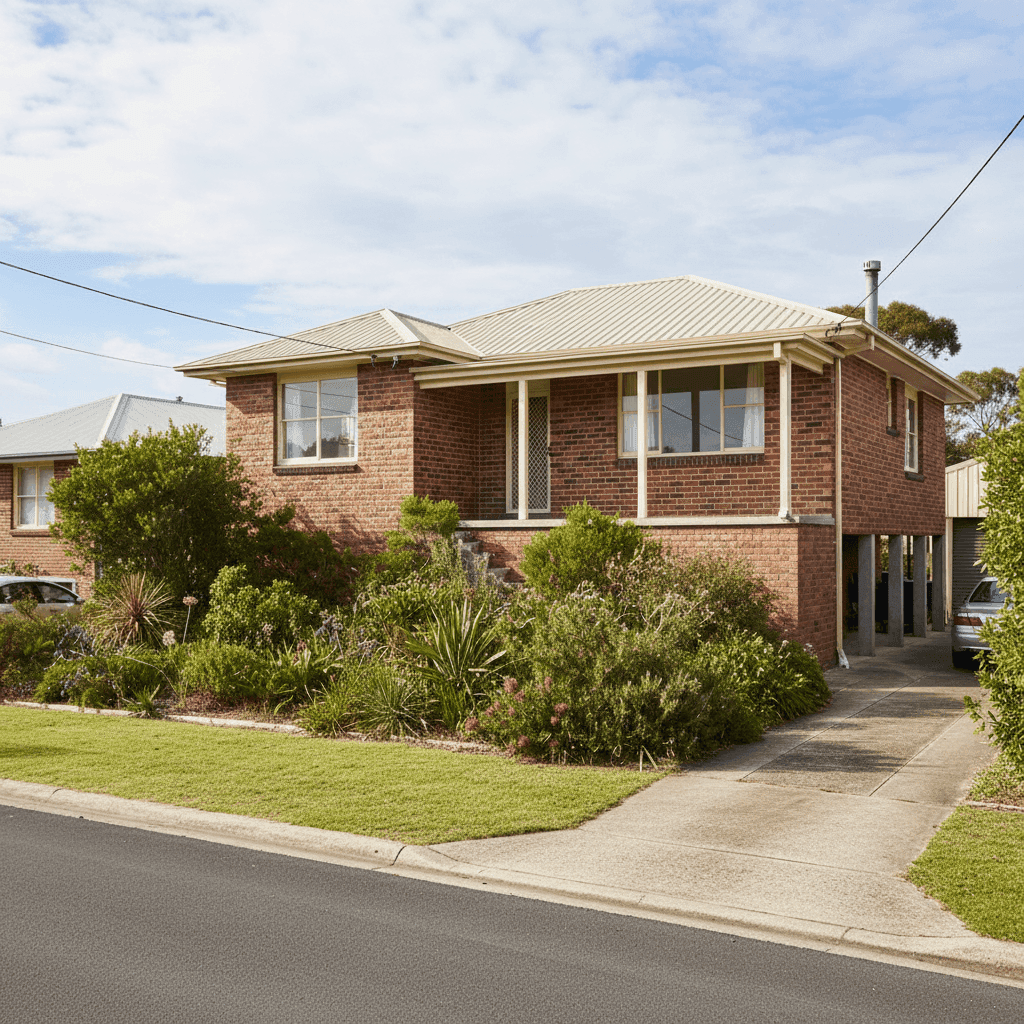
If you own a free standing home in Vincentia, NSW 2540, you're likely no stranger to the balancing act of protecting a coastal property without overpaying on insurance. Nestled on the shores of Jervis Bay, Vincentia is a sought-after seaside suburb — but its location and older housing stock can influence what you pay to keep your home covered. This article breaks down a real building insurance quote for a three-bedroom brick veneer home in the area, benchmarks it against local, state and national data, and offers practical tips to help you get better value on your policy.
---
Is This Quote Fair?
The annual premium for this property comes in at $2,273 per year (or $222/month) for building-only cover, with a sum insured of $598,000 and a building excess of $2,000. Our analysis rates this quote as FAIR — around average for the area.
That rating holds up when you look at the numbers. The suburb average for Vincentia sits at $2,453/year, meaning this quote is roughly $180 below the local average — a modest but meaningful saving. Compared to the suburb median of $2,229/year, it sits just slightly above, placing it comfortably in the middle of the market.
In short, this isn't a bargain-basement price, but it's not an outlier either. For a 1975-built home on stumps with brick veneer walls and a Colorbond roof, a premium in this range is consistent with what insurers typically price for properties of this age and construction type in coastal New South Wales.
---
How Vincentia Compares
To put this quote in proper context, it helps to zoom out and look at the broader pricing landscape.
| Benchmark | Annual Premium |
|---|---|
| This Quote | $2,273 |
| Vincentia Suburb Average | $2,453 |
| Vincentia Suburb Median | $2,229 |
| Vincentia 25th Percentile | $1,869 |
| Vincentia 75th Percentile | $3,053 |
| NSW State Average | $3,801 |
| NSW State Median | $3,410 |
| National Average | $2,965 |
| National Median | $2,716 |
The figures tell an interesting story. Vincentia homeowners are actually paying significantly less than the NSW state average of $3,801/year — a gap of over $1,500 annually. Compared to the national average of $2,965/year, this quote is also tracking well below the norm, sitting roughly $692 cheaper.
This may seem surprising for a coastal suburb, but Vincentia's relatively low cyclone risk and the composition of its housing stock likely contribute to more competitive pricing than you'd find in parts of northern NSW or Queensland. That said, there's still a wide spread locally — the gap between the 25th percentile ($1,869) and the 75th percentile ($3,053) is over $1,180, which underscores just how much individual property characteristics and insurer appetite can move the needle.
You can explore the full Vincentia suburb insurance stats or compare against all NSW properties to see where your home sits.
---
Property Features That Affect Your Premium
Every insurer weighs up a combination of property-specific and location-based factors when calculating your premium. Here's how the key features of this home are likely influencing the price:
Age of Construction (1975) Homes built in the 1970s are well past their first half-century, and insurers factor in the increased likelihood of ageing plumbing, wiring and structural components. A 1975 build will generally attract a slightly higher premium than a newer home of the same size, though this is often offset by other factors.
Brick Veneer Walls Brick veneer is one of the most common external wall types in Australia and is generally viewed favourably by insurers. It offers solid fire resistance and durability, which can help keep premiums in check compared to weatherboard or fibre cement cladding.
Steel/Colorbond Roof A Colorbond roof is considered a strong performer in the eyes of insurers — it's resistant to fire, doesn't rot, and handles coastal conditions well. This is a genuine positive for premium pricing, particularly in a seaside suburb like Vincentia.
Stump Foundation Homes on stumps (also known as pier foundations) can be more susceptible to certain types of damage, including movement and flooding. The fact that this property is elevated by less than one metre means it's not classified as a high-set home, but the foundation type is still a factor insurers consider, particularly in areas with variable soil conditions.
Timber/Laminate Flooring Timber flooring can be costly to replace or repair, which is reflected in the sum insured calculation. It's worth ensuring your building sum insured adequately accounts for the replacement cost of quality timber floors.
No Pool, Solar or Ducted Climate Control The absence of a pool, solar panels and ducted air conditioning simplifies the risk profile of this property. Each of these additions can increase rebuild costs and, in turn, your premium — so their absence here likely contributes to a more moderate price.
143 sqm Building Size At 143 square metres, this is a modest-sized home. Smaller floor areas generally mean lower rebuild costs, which directly influences the sum insured and, consequently, the premium.
---
Tips for Homeowners in Vincentia
Whether you're reviewing an existing policy or shopping around for the first time, these practical steps can help you get the most out of your home insurance.
1. Review Your Sum Insured Regularly Building costs in coastal NSW have risen substantially over recent years. A sum insured that was accurate three years ago may no longer reflect the true cost to rebuild your home today. Check your figure annually and consider using a building cost calculator to validate it — being underinsured can leave you seriously out of pocket after a major claim.
2. Consider Raising Your Excess This quote carries a $2,000 building excess. If you have the financial buffer to absorb a higher out-of-pocket cost in the event of a claim, opting for a higher excess is one of the most reliable ways to reduce your annual premium. Even shifting to a $2,500 or $3,000 excess can produce meaningful savings.
3. Ask About Loyalty Discounts — But Don't Rely on Them Many insurers offer discounts for bundling policies or staying with them long-term. However, research consistently shows that shopping around at renewal is one of the best ways to avoid "loyalty tax" — the gradual premium creep that affects long-standing customers. Compare quotes every year, not just when something goes wrong.
4. Maintain Your Property Proactively For an older home like this one, regular maintenance can make a real difference — both to your safety and your insurability. Keep gutters clear, check for signs of subfloor moisture or stump deterioration, and address any roof issues promptly. Some insurers may decline or limit claims where damage is attributed to lack of maintenance.
---
Compare Quotes and Find Better Value
Whether this quote is the right fit depends on your full coverage needs, risk tolerance and budget. The best way to know if you're getting a competitive deal is to compare multiple options side by side. At CoverClub, we make it easy to benchmark quotes for your specific property and see how premiums stack up across insurers.
Get a home insurance quote for your Vincentia property today — it takes just a few minutes and could save you hundreds.