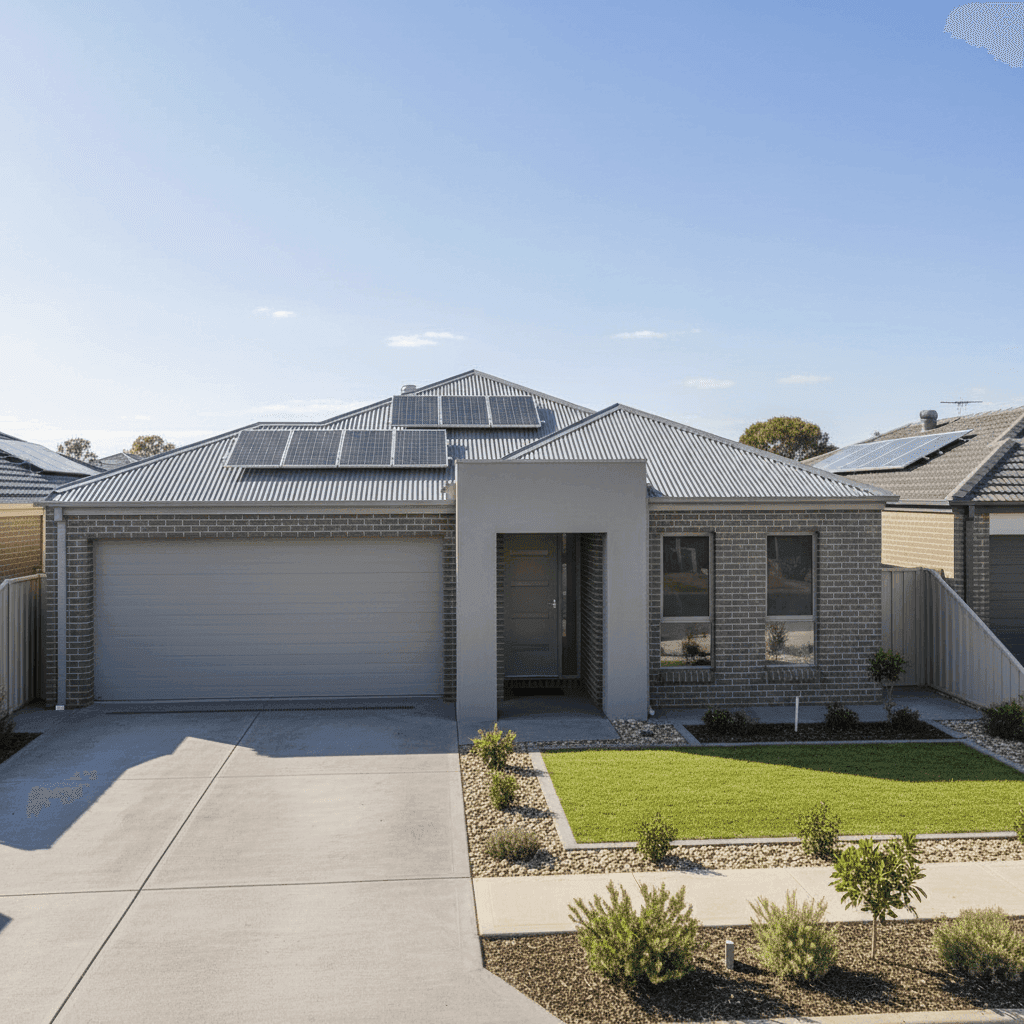
Virginia, located in South Australia's northern suburbs at postcode 5120, is a growing residential area that sits within the City of Salisbury. Known for its relatively modern housing stock and proximity to both the Gawler Belt and Adelaide's urban fringe, it's an area where savvy homeowners are increasingly asking: am I getting a fair deal on my home insurance?
This article breaks down a real home insurance quote for a four-bedroom, two-bathroom free-standing home in Virginia — and puts that number into context against suburb, state, and national benchmarks.
---
Is This Quote Fair?
The short answer: yes — very much so.
This property received a combined Home and Contents quote of $1,333 per year (or roughly $137 per month), covering a building sum insured of $980,000 and contents valued at $202,000. Our pricing analysis rates this as CHEAP — meaning it sits well below what most comparable properties in the area are paying.
To put that in perspective, the suburb average for Virginia SA 5120 sits at $4,147 per year, and the median is $4,015. Even the cheapest quarter of quotes in the suburb (the 25th percentile) comes in at $3,846 — still nearly three times what this homeowner is paying. That's a remarkable outcome, and it's worth understanding what's driving it.
A building excess of $3,000 and a contents excess of $1,000 are on the higher side, which likely contributes to the lower premium. Higher excesses mean the insurer takes on less risk for smaller claims, and they pass some of that saving back to you in the form of a reduced annual cost. Whether that trade-off suits your financial situation is worth considering — but for homeowners who can comfortably cover a few thousand dollars out of pocket in the event of a minor claim, it can be a smart strategy.
---
How Virginia Compares
Understanding your premium in isolation only tells part of the story. Here's how Virginia stacks up across different benchmarks:
| Benchmark | Annual Premium |
|---|---|
| This Quote | $1,333 |
| Virginia SA 5120 Suburb Average | $4,147 |
| Virginia SA 5120 Suburb Median | $4,015 |
| LGA Average (City of Salisbury) | $1,450 |
| SA State Average | $2,433 |
| SA State Median | $1,679 |
| National Average | $5,347 |
| National Median | $2,764 |
You can explore the full Virginia SA 5120 suburb insurance statistics, South Australia state averages, and national home insurance benchmarks on CoverClub.
A few things stand out here. The suburb average of $4,147 is notably higher than both the SA state average ($2,433) and even the national median ($2,764). This suggests that some insurers are pricing Virginia properties at a significant premium — possibly due to flood or storm risk assessments in parts of the postcode, or simply because the local market has less competition. The LGA average for Salisbury ($1,450) is much more in line with this quote, which suggests that well-priced policies are available in the area — you just need to know where to look.
It's also worth noting that the suburb sample size here is relatively small (seven quotes), so the suburb average should be interpreted with some caution. A larger dataset would give us greater confidence in those figures.
---
Property Features That Affect Your Premium
Several characteristics of this home work in the homeowner's favour from an insurance pricing perspective:
Modern construction (built 2018). Newer homes are generally cheaper to insure. Building codes have improved significantly in recent decades, meaning the structure is likely to be more resilient to weather events and less prone to electrical or plumbing issues that can trigger claims.
Brick veneer walls. Brick veneer is one of the more common and well-regarded construction types in South Australia. It offers solid fire resistance and durability, which most insurers view favourably when calculating risk.
Steel/Colorbond roof. Colorbond roofing is highly regarded by insurers for its resistance to fire, wind, and corrosion. It's a common choice in Australian suburban homes and typically attracts lower premiums than older tile or timber roofing.
Slab foundation. Concrete slab foundations are considered low-risk for subsidence and structural movement, particularly in areas with stable soil profiles.
Solar panels. While solar panels add to the replacement value of the home, they're a fixed asset that most modern policies cover under the building sum insured. In this case, the building is insured for $980,000 — a figure that should comfortably account for the panels as part of the overall structure.
Ducted climate control. Ducted air conditioning systems are a significant fixture and are typically included in building cover. It's worth confirming with your insurer that these systems are explicitly covered under your policy.
Above-average fittings quality. The property features above-average internal fittings, which is reflected in both the building sum insured and the contents value. It's important that your sum insured keeps pace with the true cost of rebuilding and replacing — not just the market value of the home.
No pool, no cyclone risk. The absence of a swimming pool removes a common liability risk factor, and Virginia falls outside designated cyclone risk zones — both of which help keep premiums lower.
---
Tips for Homeowners in Virginia
1. Don't assume your sum insured is accurate — check it regularly. With a building insured for $980,000 and above-average fittings, it's essential to review your sum insured annually. Construction costs in South Australia have risen sharply in recent years, and being underinsured at claim time can leave you significantly out of pocket. Use a building cost calculator or speak to a local builder to validate your figure.
2. Shop around — the suburb average tells you there's a big spread. The gap between this quote ($1,333) and the suburb average ($4,147) is enormous. That kind of variation doesn't happen by accident — it reflects real differences in how insurers assess and price this postcode. If you haven't compared quotes recently, you may be paying far more than you need to. Get a quote at CoverClub to see what's available for your address.
3. Consider whether your excess level suits your situation. This policy carries a $3,000 building excess and $1,000 contents excess. Higher excesses reduce your premium, but they also mean a larger out-of-pocket cost if you need to make a claim. Review your financial buffer and decide whether a lower excess (and slightly higher premium) might give you better peace of mind.
4. Make sure your contents cover reflects reality. With $202,000 in contents cover, this homeowner has taken a reasonably thorough approach to valuing their belongings. Many Australians significantly underestimate their contents value. Walk through your home room by room and consider furniture, electronics, clothing, appliances, and any valuables — it adds up faster than you'd expect.
---
Compare Your Home Insurance Today
Whether you're a Virginia local or just researching what fair home insurance looks like in South Australia, CoverClub makes it easy to benchmark your current policy and explore your options. Our data is drawn from real quotes across Australia, so you can see exactly how your premium stacks up.
Get a home insurance quote for your property and find out if you're paying the right price — or too much.