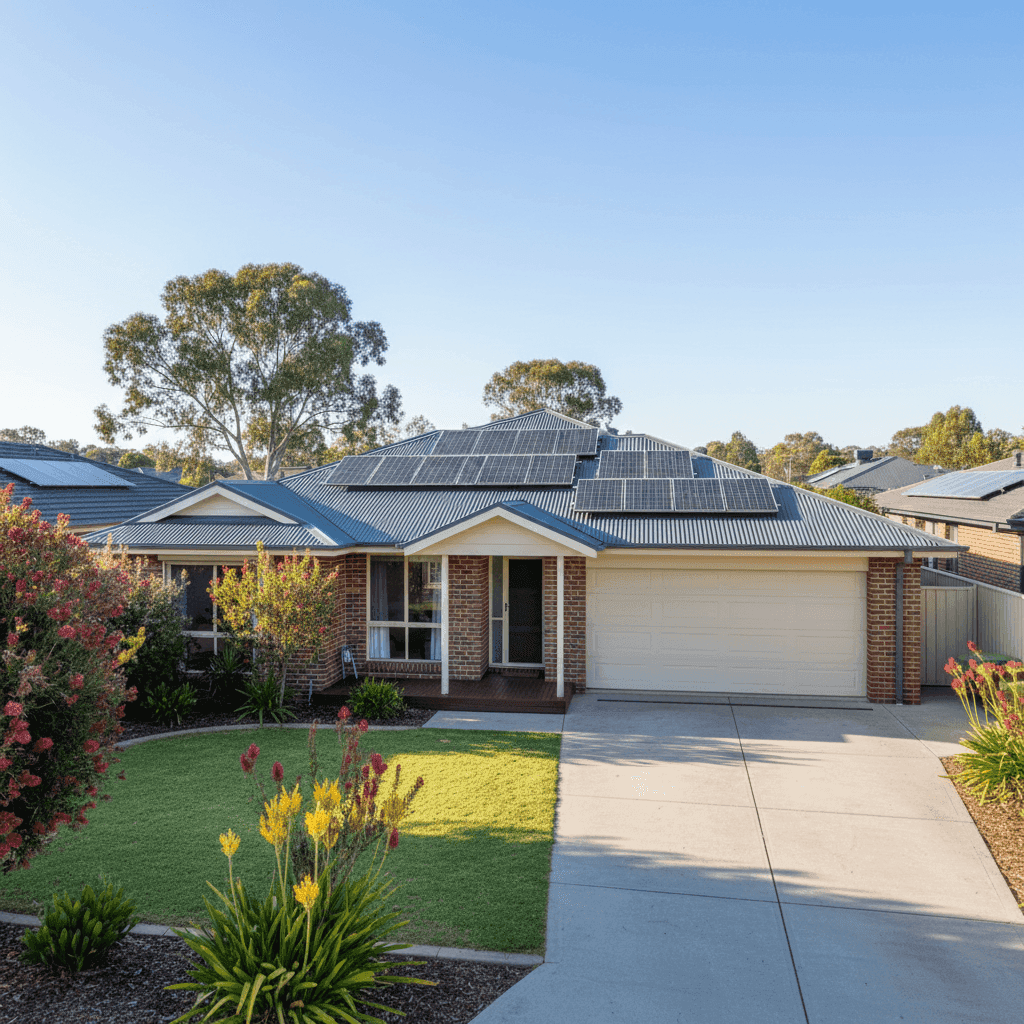
If you own a four-bedroom free standing home in Waanyarra, VIC 3551, understanding what you should be paying for home and contents insurance is one of the smartest financial checks you can do. Waanyarra is a quiet rural locality in the Mount Alexander local government area of central Victoria — a region known for its beautiful bushland, historic goldfields heritage, and relaxed lifestyle. But that rural charm comes with its own set of insurance considerations, and knowing whether your premium is competitive can save you hundreds of dollars a year.
This article breaks down a real home insurance quote for a property in Waanyarra and puts it in context against Victorian and national benchmarks, so you can make a truly informed decision.
---
Is This Quote Fair?
The quote in question comes in at $2,787 per year (or $267/month) for combined home and contents cover, with a building sum insured of $751,000 and contents valued at $50,000. Both the building and contents excess are set at $1,000.
Our independent price rating for this quote is FAIR — Around Average. That assessment is well supported by the data. The premium sits comfortably within the expected range for this type of property and location, neither a standout bargain nor an overpriced outlier. For a 214 sqm brick veneer home built in 1995 with a Colorbond roof, this is a reasonable reflection of the risk profile and rebuild cost involved.
It's worth noting that a "fair" rating doesn't mean you can't do better — it simply means this quote is in the right ballpark. Shopping around and comparing multiple insurers is always worthwhile, even when your current premium looks reasonable on paper.
---
How Waanyarra Compares
Let's put the numbers side by side to give this quote some real context.
| Benchmark | Annual Premium |
|---|---|
| This Quote | $2,787 |
| VIC State Average | $3,000 |
| VIC State Median | $2,718 |
| National Average | $5,347 |
| National Median | $2,764 |
| Mount Alexander LGA Average | $3,847 |
A few things stand out here. First, this quote is below the Victorian state average of $3,000 — a positive sign. It sits just slightly above the state median of $2,718, which means it's broadly in line with what most Victorian homeowners are paying.
Perhaps most striking is how this quote compares to the Mount Alexander LGA average of $3,847. The quote is over $1,000 per year cheaper than the local government area average, which suggests this particular property may be benefiting from some favourable risk characteristics (more on those below).
Against national figures, the picture is even more encouraging. The national average of $5,347 is heavily skewed by high-risk regions such as coastal Queensland and flood-prone areas of New South Wales. The national median of $2,764 is a more useful comparison point, and this quote comes in just $23 above it — essentially on par.
You can explore more detailed pricing data for this postcode at our Waanyarra suburb stats page, or browse Victoria-wide insurance statistics and national home insurance benchmarks for broader context.
---
Property Features That Affect Your Premium
Every home is different, and insurers weigh up a range of property characteristics when calculating your premium. Here's how the features of this particular home influence its risk profile:
Brick Veneer Walls Brick veneer is one of the most common external wall types in Australia, and insurers generally view it favourably. It offers solid fire resistance and structural durability, which can contribute to a more competitive premium compared to timber-clad or lightweight construction.
Colorbond Steel Roof Steel roofing is highly regarded by insurers for its longevity, wind resistance, and low maintenance requirements. In a region like central Victoria — which can experience strong winds and summer heatwaves — a Colorbond roof is a practical and insurance-friendly choice.
Slab Foundation A concrete slab foundation is considered one of the more stable and low-risk foundation types. It reduces the likelihood of subsidence-related claims and is generally looked upon positively during underwriting.
Solar Panels The property includes solar panels, which are worth noting from an insurance perspective. Most standard home and contents policies cover solar panels as part of the building, but it's important to confirm this with your insurer and ensure the sum insured reflects their replacement value. Solar systems can cost $5,000–$15,000 or more to replace, so under-insurance is a real risk.
Construction Year: 1995 A home built in 1995 is now around 30 years old. While it's not a new build, it was constructed under relatively modern building codes and is unlikely to have the significant wear-and-tear issues associated with much older homes. That said, key systems like roofing, plumbing, and electrical wiring may be approaching the age where maintenance becomes important — both for safety and to avoid claim complications.
No Pool, No Ducted Climate Control The absence of a swimming pool removes a common source of liability and maintenance-related claims. No ducted climate control also simplifies the building's mechanical systems, slightly reducing the risk of related damage or breakdown claims.
---
Tips for Homeowners in Waanyarra
1. Review Your Building Sum Insured Annually Construction costs in regional Victoria have risen sharply in recent years. A sum insured of $751,000 for a 214 sqm home equates to roughly $3,500 per sqm — which is within a reasonable range for a standard-quality build, but worth reviewing with a quantity surveyor or using an online building calculator to ensure you're not underinsured.
2. Confirm Solar Panel Coverage Check your policy documents to confirm your solar panels are explicitly covered under the building section, and that the sum insured is sufficient to replace the entire system. Some policies have sub-limits or exclusions for solar installations, so don't assume — ask your insurer directly.
3. Consider Bushfire Preparedness Central Victoria has a real bushfire risk, particularly during summer. While this property isn't in a designated cyclone zone, bushfire is a relevant peril in the Mount Alexander region. Maintaining clear gutters, trimming vegetation around the home, and reviewing your insurer's bushfire preparedness requirements can help ensure your policy responds when you need it most.
4. Compare Quotes Before Renewal Even with a "fair" rating, loyalty doesn't always pay in insurance. Insurers frequently offer better rates to new customers, and the market can shift significantly from year to year. Set a reminder to compare quotes at least 30 days before your renewal date — you may find a meaningfully better deal without sacrificing cover quality.
---
Ready to Compare?
Whether you're reviewing your current policy or shopping for cover on a new property, CoverClub makes it easy to compare home insurance quotes from a range of Australian insurers. Get a quote today and see how your premium stacks up — you might be surprised at what's available.