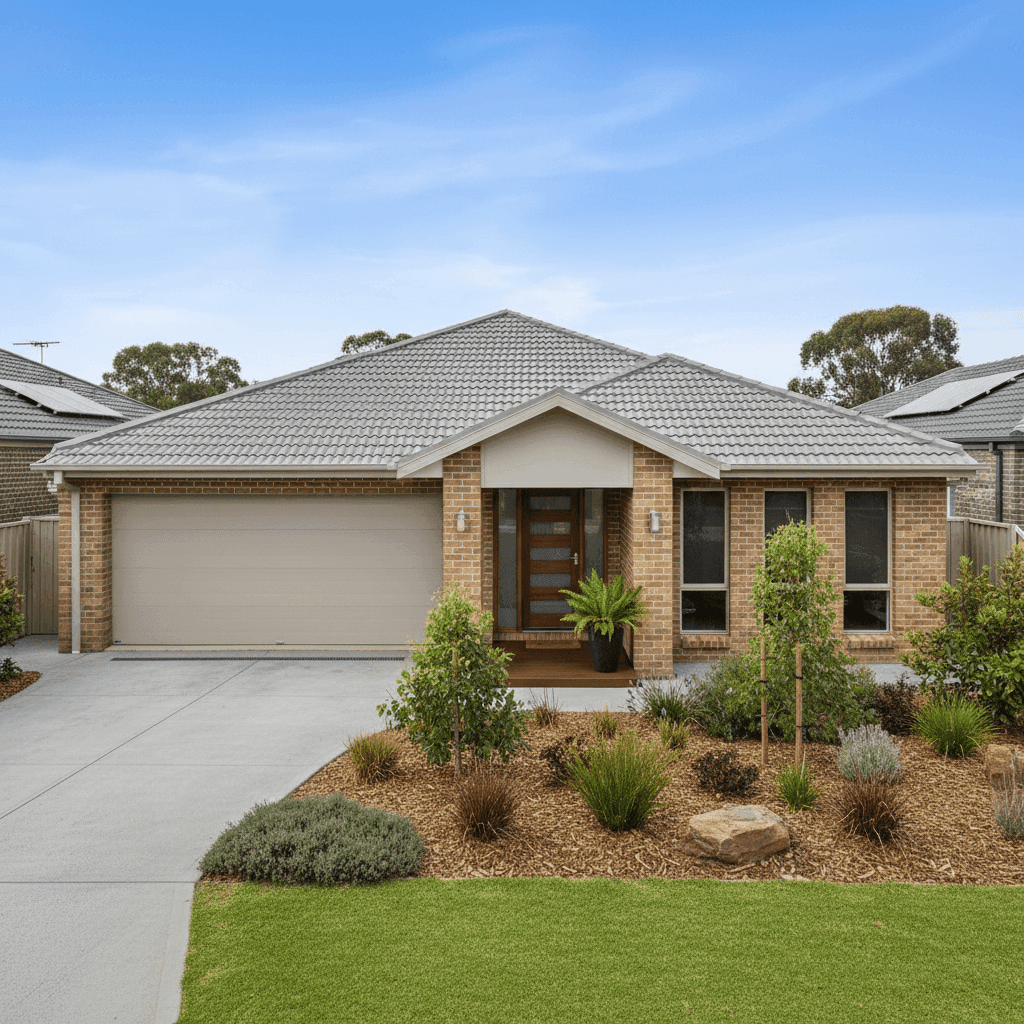
If you own a free standing home in Wagga Wagga, NSW 2650, understanding what you should be paying for home and contents insurance is one of the smartest financial moves you can make. Premiums can vary wildly — even within the same postcode — so having real data to benchmark your quote against is genuinely valuable. This article breaks down a recent insurance quote for a 3-bedroom, 2-bathroom brick veneer home in Wagga Wagga and compares it against local, state, and national benchmarks.
---
Is This Quote Fair?
The short answer: yes — and then some. This quote came in at $2,147 per year (or $199/month) for combined home and contents cover, with a building sum insured of $423,000 and contents valued at $32,000. Both the building and contents excess sit at $1,000.
Our price rating for this quote is CHEAP — Below Average, meaning it sits well below what most homeowners in the area are paying. To put that in perspective, the suburb average premium for Wagga Wagga (2650) is $6,516 per year, with a median of $5,326. This quote is less than half the suburb average — a significant saving that could amount to thousands of dollars annually.
Even against the 25th percentile of suburb quotes (meaning 75% of quotes are more expensive than this threshold), the figure sits at $4,167/yr — still nearly double this quote. That places this premium in genuinely exceptional territory for the area.
---
How Wagga Wagga Compares
To fully appreciate where this quote lands, it helps to zoom out and look at the broader pricing landscape.
| Benchmark | Premium |
|---|---|
| This Quote | $2,147/yr |
| Wagga Wagga Suburb Average | $6,516/yr |
| Wagga Wagga Suburb Median | $5,326/yr |
| Wagga Wagga 25th Percentile | $4,167/yr |
| NSW State Average | $9,528/yr |
| NSW State Median | $3,770/yr |
| National Average | $5,347/yr |
| National Median | $2,764/yr |
| Narrandera LGA Average | $2,038/yr |
A few things stand out here. First, NSW as a whole has a very high average premium of $9,528/yr — largely driven by flood-prone and coastal areas pushing up the mean. The state median of $3,770 is a more representative figure for typical NSW homeowners, and this quote still beats it comfortably.
At the national level, the average sits at $5,347/yr and the median at $2,764/yr. This quote is slightly above the national median but well below the national average — a solid result by any measure.
Interestingly, the Narrandera LGA average (which encompasses Wagga Wagga's broader local government area) sits at $2,038/yr, suggesting that properties in this region generally attract more competitive premiums compared to higher-risk parts of NSW. Wagga Wagga's inland location, away from cyclone zones and coastal flood plains, plays a meaningful role in keeping premiums down.
It's worth noting the suburb sample size of 28 quotes — a reasonably representative dataset that gives confidence to these comparisons, though premiums can still shift depending on insurer, coverage level, and individual property risk factors.
---
Property Features That Affect Your Premium
Several characteristics of this particular property work in its favour from an insurance pricing perspective:
Brick Veneer Walls Brick veneer is one of the more insurer-friendly external wall types in Australia. It offers solid fire resistance and structural durability, which translates to lower perceived risk — and often lower premiums — compared to timber weatherboard or fibre cement cladding.
Tiled Roof A tiled roof is generally viewed positively by insurers. Tiles are durable, fire-resistant, and have a long lifespan, reducing the likelihood of weather-related claims compared to older or more vulnerable roofing materials.
Slab Foundation Concrete slab foundations are standard in modern Australian construction and are associated with stability and lower subsidence risk, particularly in areas with reactive soils.
Built in 2005 At roughly 20 years old, this home sits in a sweet spot — modern enough to meet contemporary building codes (which improved significantly in the early 2000s), but not so new that replacement costs are at a premium. Newer construction standards mean better structural integrity and improved fire and weather resistance.
No Pool, No Solar Panels Both pools and solar panel systems can add complexity (and cost) to insurance policies. The absence of both keeps the risk profile clean and straightforward.
Ducted Climate Control While ducted air conditioning does add to the replacement value of the home's fixtures, it's a relatively standard inclusion in modern homes and is unlikely to significantly inflate the premium on its own.
Standard Fittings Quality High-end or bespoke fittings can increase rebuild costs considerably. Standard fittings keep the sum insured more predictable and the premium more manageable.
Not in a Cyclone Risk Area Wagga Wagga's inland location means it falls outside Australia's designated cyclone risk zones. This is a meaningful factor — cyclone-prone areas in Queensland and northern WA can attract substantial loading on premiums.
---
Tips for Homeowners in Wagga Wagga
Even with a competitive quote in hand, there are always ways to make sure you're getting the best possible value from your home insurance.
1. Review Your Sum Insured Regularly Building costs have risen sharply in recent years due to labour shortages and material price increases. Make sure your $423,000 building sum insured still reflects what it would genuinely cost to rebuild your home from scratch — not just its market value. Underinsurance is one of the most common (and costly) mistakes Australian homeowners make.
2. Don't Over-Insure Your Contents At $32,000, the contents value in this quote is relatively modest. Take the time to do a proper home inventory — room by room — to make sure you're neither over-paying for contents you don't have nor under-insured for what you do. Many insurers offer online calculators to help.
3. Consider Your Excess Strategy Both the building and contents excess are set at $1,000. Opting for a higher excess (say, $2,000 or $2,500) can reduce your annual premium, which may make sense if you have a healthy emergency fund and are unlikely to make small claims. Conversely, a lower excess provides more protection if cash flow is tight.
4. Shop Around at Renewal Time Even a great premium today doesn't guarantee the same value at renewal. Insurers regularly adjust their pricing models, and loyalty doesn't always pay. Set a reminder to compare quotes a few weeks before your policy renews — it takes less time than you might think and can save you hundreds.
---
Compare Your Own Quote
Curious how your home insurance stacks up? CoverClub makes it easy to see real premium data for your suburb and compare quotes side by side. Whether you're in Wagga Wagga or anywhere else in Australia, you deserve to know if you're getting a fair deal. Get a quote today and find out in minutes.