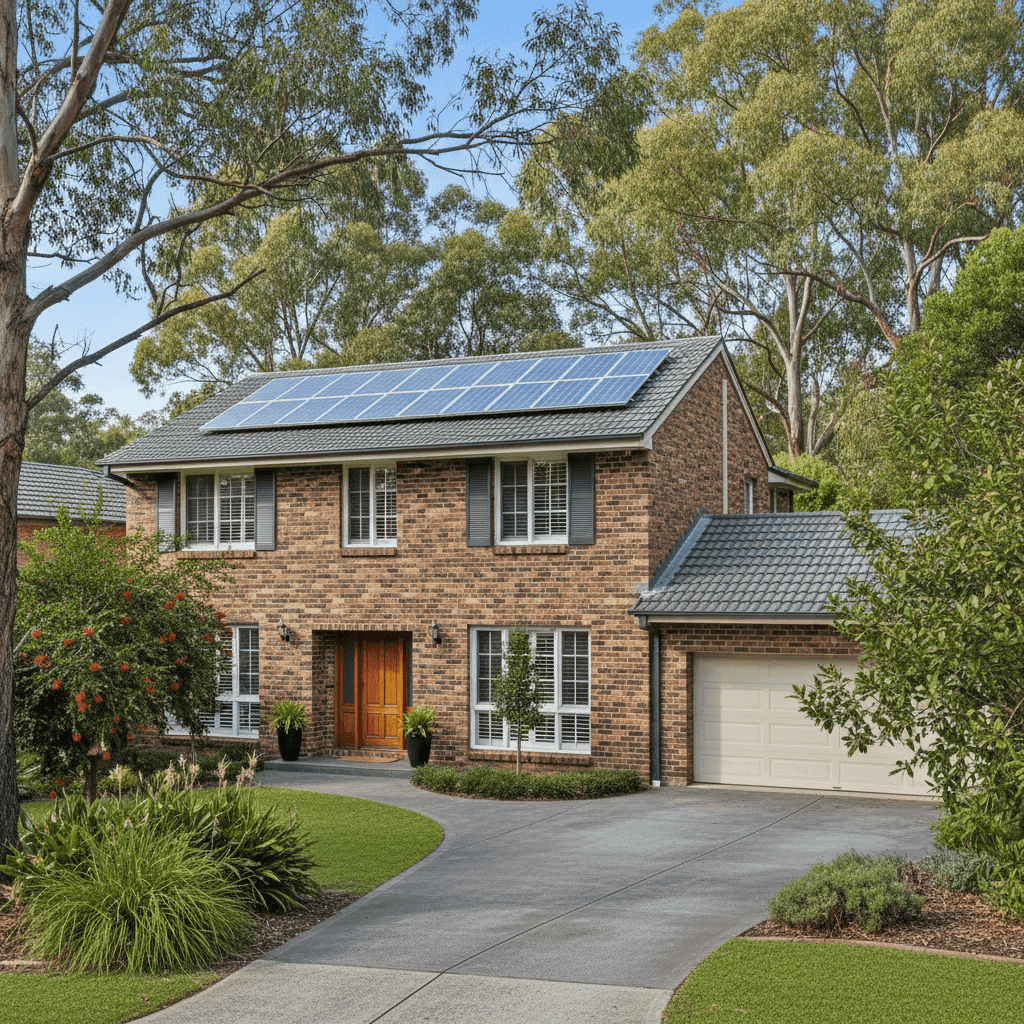
Wahroonga is one of Sydney's most established and leafy upper North Shore suburbs, known for its federation-era streetscapes, generous block sizes, and strong sense of community. It's also a suburb where homeowners take their property seriously — and that means getting home insurance right matters. This article breaks down a recent building insurance quote for a four-bedroom, free-standing brick veneer home in Wahroonga, and puts the numbers into context so you can judge whether you're paying a fair price.
---
Is This Quote Fair?
The annual premium on this quote comes in at $3,190 per year (or $306/month), covering the building only with a $1,000 excess. Based on CoverClub's pricing data, this quote is rated CHEAP — sitting meaningfully below the suburb average.
To put that in plain terms: this homeowner is paying less than most of their neighbours for comparable cover. The sum insured is set at $598,000, which is a reasonable figure for a 214 sqm brick veneer home built in 2001 — not over-insured, not dangerously undercooked.
A "cheap" rating doesn't mean the cover is inferior. It simply means the premium is competitive relative to what other Wahroonga homeowners are being quoted for similar properties. That's a genuinely good outcome, and it's worth understanding why this property attracts a lower-than-average premium — more on that in the property features section below.
---
How Wahroonga Compares
Here's where the numbers get interesting. According to CoverClub's Wahroonga suburb stats, the local pricing landscape looks like this:
| Benchmark | Annual Premium |
|---|---|
| This quote | $3,190 |
| Suburb 25th percentile | $3,481 |
| Suburb median | $3,919 |
| Suburb average | $4,640 |
| Suburb 75th percentile | $5,746 |
| LGA (Hornsby) average | $3,958 |
This quote sits below the suburb's 25th percentile, meaning it's cheaper than at least 75% of quotes recorded in the area. That's a strong result.
Zooming out to the state level, NSW home insurance premiums tell a more complex story. The NSW average sits at a striking $9,528/year — heavily skewed by high-risk coastal and flood-prone areas across the state. The NSW median, which is a more reliable indicator of what most homeowners pay, is $3,770/year. This quote comes in just below that median, which again confirms solid value.
At the national level, the picture is similar: a national average of $5,347/year (inflated by cyclone-prone Queensland and flood-affected regions) versus a national median of $2,764/year. Wahroonga sits in a relatively low-risk band compared to many parts of Australia, and that's reflected in the pricing here.
The key takeaway? This quote represents genuine value — not just locally, but by any national benchmark.
---
Property Features That Affect Your Premium
Several characteristics of this property work in the homeowner's favour when it comes to insurance pricing:
Brick Veneer Walls Brick veneer is one of the most common and well-regarded wall construction types in Australian suburban homes. Insurers generally view it favourably — it offers solid fire resistance and structural durability, without the premium pricing sometimes associated with full brick or the elevated risk of lightweight cladding materials.
Concrete Roof Concrete tile roofing is considered highly durable and low-maintenance by insurers. It performs well in storms and has a long lifespan, reducing the likelihood of weather-related claims compared to older or lighter roofing materials.
Slab Foundation A concrete slab foundation is standard for homes of this era and is generally viewed as a stable, low-risk foundation type — particularly in a suburb like Wahroonga, which isn't classified as a cyclone risk area.
Solar Panels This property has solar panels installed, which does add a small element of complexity to building cover (panels are typically included in building sum insured calculations). However, it's a common feature in modern Australian homes and most insurers handle it routinely.
Ducted Climate Control Ducted air conditioning systems are a fixed building asset and are included in the building sum insured. Their presence is factored into the $598,000 coverage figure, which appears appropriate for a home of this size and specification.
No Pool The absence of a swimming pool removes one of the more common sources of liability and maintenance-related claims, which can nudge premiums lower.
Timber and Laminate Flooring While flooring is more relevant to contents cover, the presence of timber and laminate throughout the home is worth noting for anyone considering adding contents insurance in future.
---
Tips for Homeowners in Wahroonga
1. Review your sum insured annually Building costs in Sydney's North Shore have risen significantly in recent years. A sum insured of $598,000 for 214 sqm is reasonable today, but construction costs change — make sure your coverage keeps pace. Underinsurance is one of the most common and costly mistakes homeowners make.
2. Consider bundling building and contents This quote covers building only. If your contents aren't separately insured, you could be exposed in the event of theft, storm damage, or fire. Many insurers offer discounts when you bundle both policies — worth exploring at renewal time.
3. Shop around before auto-renewing Insurance loyalty rarely pays off in Australia. Premiums can vary dramatically between providers for the same property. Using a comparison platform like CoverClub before your renewal date takes only a few minutes and can reveal significant savings.
4. Check your policy's storm and escape-of-liquid clauses Wahroonga's established tree canopy is one of its great charms, but it also means storm damage from falling branches is a real risk. Make sure your policy clearly covers storm damage to the building, and check the fine print on escape-of-liquid cover — a burst pipe or hot water system failure can cause serious damage to timber flooring and cabinetry.
---
Compare Your Own Quote
Whether you're renewing soon or just curious about what you should be paying, CoverClub makes it easy to benchmark your premium against real data from your suburb. Get a quote today and find out if you're paying a fair price — or if it's time to switch.