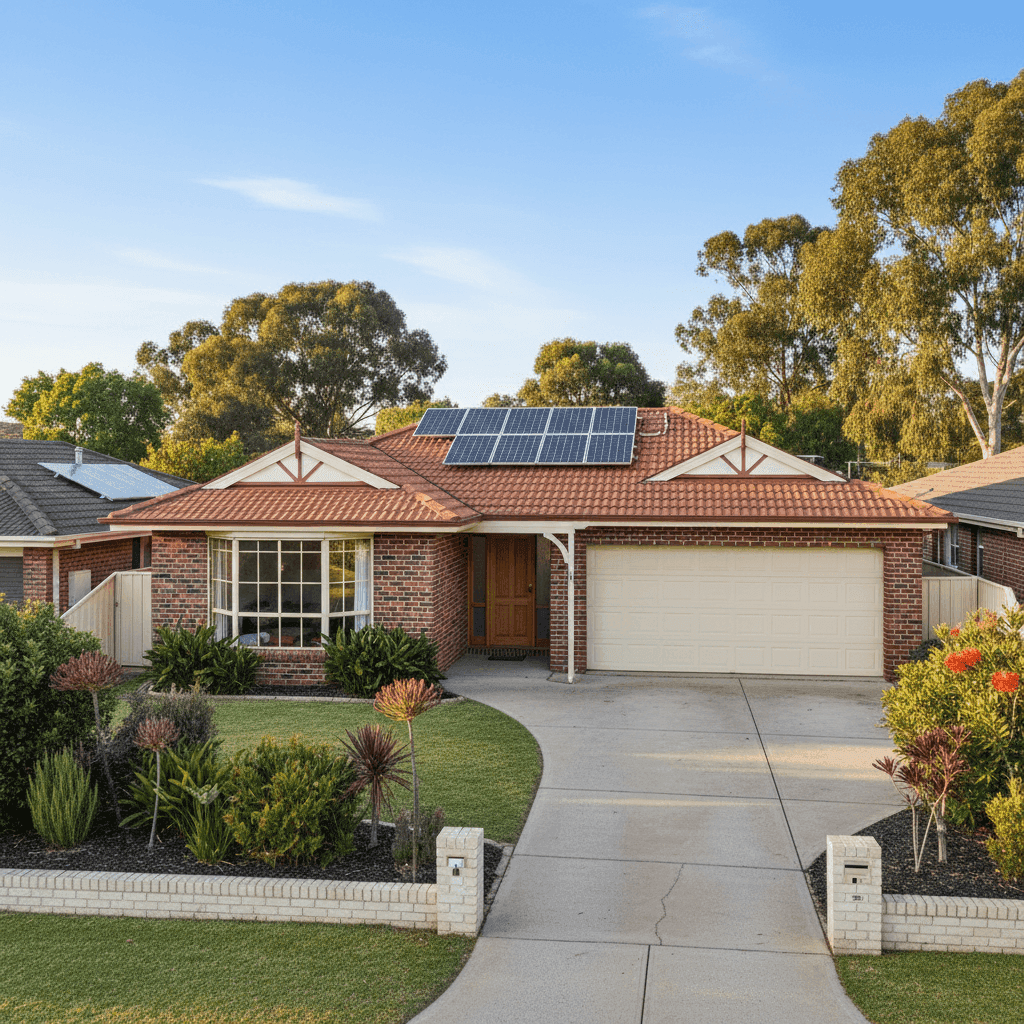
Waikiki is a coastal suburb in the City of Rockingham, sitting about 47 kilometres south of Perth's CBD. It's a popular choice for families thanks to its beach access, relaxed lifestyle, and well-established streetscapes filled with solid brick homes. If you own a free standing home in this area and you're reviewing your insurance costs, this analysis will help you understand whether your premium is competitive — and what's driving the price.
---
Is This Quote Fair?
The quote in question is $1,858 per year (or $191/month) for combined home and contents cover, with a building sum insured of $668,000 and contents valued at $153,000. The building excess sits at $3,000, while the contents excess is a more modest $500.
Our price rating for this quote is EXPENSIVE — above average for the Waikiki area.
To put that in context: the suburb average premium across 75 quotes in Waikiki (postcode 6169) is $1,339 per year, and the median sits at just $968 per year. That means this quote is roughly 39% above the suburb average and nearly double the median. Even compared to the 75th percentile of local quotes ($1,785/yr), this premium comes in higher.
That said, it's worth noting that the building sum insured here — $668,000 — is substantial. Larger insured values naturally attract higher premiums, and a 325 sqm five-bedroom home built in 1995 with quality double brick construction does carry real rebuild cost. The $153,000 contents value also adds meaningfully to the total. So while the premium is above average, part of that reflects the genuine size and value of the asset being covered.
Still, "above average" is a signal worth investigating. There's a reasonable chance that shopping around could yield a more competitive rate for the same level of cover.
---
How Waikiki Compares
One of the most useful things you can do when assessing any insurance quote is benchmark it against broader data. Here's how Waikiki stacks up:
| Benchmark | Premium |
|---|---|
| This quote | $1,858/yr |
| Waikiki suburb average | $1,339/yr |
| Waikiki suburb median | $968/yr |
| LGA (Rockingham) average | $1,561/yr |
| WA state average | $2,811/yr |
| WA state median | $2,127/yr |
| National average | $5,347/yr |
| National median | $2,764/yr |
The picture here is quite telling. While this quote feels expensive relative to the Waikiki suburb average, it's actually well below both the WA state average and the national average. Western Australia as a whole averages $2,811/yr, and nationally the average blows out to $5,347/yr — largely driven by high-risk regions in Queensland and northern Australia where cyclones, floods, and extreme weather events push premiums sky-high.
Waikiki, by comparison, is a relatively low-risk suburb. It's not in a designated cyclone risk zone, and while coastal proximity can sometimes attract a loading, Rockingham's overall risk profile keeps premiums manageable compared to many other parts of the country.
The takeaway: this quote is above average locally, but well within a reasonable range when viewed through a national lens. The priority should be ensuring you're not overpaying relative to what comparable Waikiki properties are being quoted.
---
Property Features That Affect Your Premium
Several characteristics of this property influence the final premium, both positively and negatively.
Double brick construction is generally viewed favourably by insurers. It's durable, fire-resistant, and holds up well against the elements — all of which reduce the likelihood of major structural claims. Homes built with double brick typically attract lower premiums than those with timber or clad exteriors.
Tiled roofing is another positive signal. Tiles are long-lasting and perform well in Perth's hot, dry climate. They're less prone to storm damage than corrugated iron in low-wind environments, and most insurers price them accordingly.
Slab foundation is the standard for Perth homes of this era and presents no particular risk concern. Combined with the 1995 construction year, the property sits in a sweet spot — old enough to be well-settled, but modern enough to meet building codes that significantly improved from the 1980s and earlier.
Solar panels are worth mentioning. They add value to the property and, importantly, they need to be covered under your building policy. Most insurers include solar panels as part of the building sum insured, but it's worth confirming this with your provider to avoid any gaps in cover.
Timber and laminate flooring can be a factor in contents or building claims — particularly in the event of water damage. These materials can be costly to repair or replace, so ensuring your sum insured adequately accounts for this is sensible.
At 325 sqm, this is a generous home. Rebuild costs in Perth have risen considerably in recent years due to construction material and labour cost increases, so a $668,000 building sum insured for a property of this size is not unreasonable. Underinsurance is a real risk — always check that your sum insured reflects current rebuild costs, not just the market value of the property.
---
Tips for Homeowners in Waikiki
1. Compare at least three quotes before renewing Given this premium sits above the local average, it's worth getting comparison quotes before your renewal date. Use a platform like CoverClub to see what multiple insurers would charge for the same cover. Even a modest saving of $300–$400 per year adds up significantly over time.
2. Review your building sum insured annually Construction costs in Perth have increased substantially. Make sure your $668,000 building sum insured still reflects what it would actually cost to rebuild your home today — including demolition, site clearance, and professional fees. Many insurers offer a building calculator to help with this.
3. Consider your excess strategy The $3,000 building excess on this policy is on the higher side. While a higher excess generally reduces your premium, it also means a larger out-of-pocket cost if you need to make a claim. Weigh up whether a lower excess (say $1,000–$2,000) at a slightly higher premium might suit your financial position better.
4. Confirm solar panel cover With solar panels installed, double-check that your policy explicitly covers them under the building section. Ask your insurer about accidental damage, storm damage, and whether inverter failure is included. This is a common gap that catches homeowners off guard.
---
Ready to Compare?
If your home insurance premium is coming in above the local average, the best move is to see what else is out there. CoverClub makes it easy to compare home and contents insurance quotes for properties across Waikiki and the broader Rockingham area. Get a quote today and find out whether you could be paying less for the same level of protection — or getting more cover for what you're already spending.