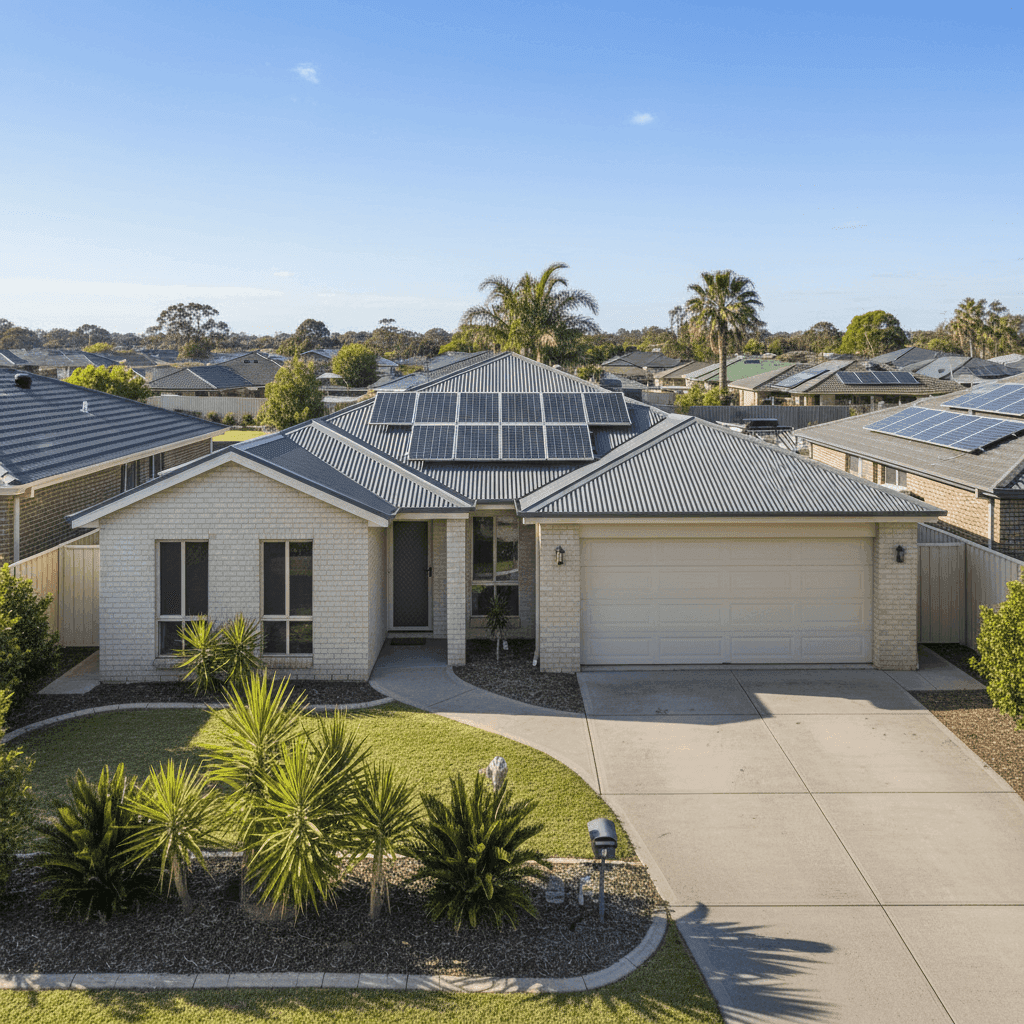
Waikiki is a well-established coastal suburb in the City of Rockingham, about 45 kilometres south of the Perth CBD. It's popular with families and retirees alike, offering affordable housing, easy beach access, and a relaxed lifestyle. For owners of free standing homes in the area, understanding what drives home insurance costs — and whether a given quote is genuinely competitive — can make a real difference to the household budget.
This article analyses a recent home and contents insurance quote for a 3-bedroom, 1-bathroom free standing home in Waikiki (postcode 6169), walking through the price rating, how it compares to local and national benchmarks, and what property features are likely influencing the premium.
---
Is This Quote Fair?
The annual premium on this quote came in at $686 per year (or around $65 per month), covering both building and contents. The building is insured for $500,000 and contents for $50,000, with a building excess of $2,000 and a contents excess of $600.
Our pricing engine rates this quote as CHEAP — below average for the area. That's a meaningful finding. With 48 quotes sampled across the Waikiki suburb, the data gives us a solid picture of what the local market looks like, and this premium sits well below what most homeowners in the area are paying.
To put it in perspective:
- The suburb's 25th percentile premium is $737 per year — meaning this quote is actually cheaper than the cheapest quarter of policies in Waikiki.
- The suburb median sits at $958 per year, nearly 40% higher than this quote.
- The suburb average reaches $1,635 per year, more than double this figure.
That's a significant gap. While some of the difference can be attributed to the specific insurer's pricing model or any discounts applied at the time, the property's characteristics also play a meaningful role — more on that below.
---
How Waikiki Compares to the Rest of WA and Australia
Zooming out beyond the suburb gives even more context. You can explore the full Waikiki suburb insurance stats, Western Australia state averages, and national insurance benchmarks on CoverClub.
| Benchmark | Average Premium | Median Premium |
|---|---|---|
| Waikiki (6169) | $1,635/yr | $958/yr |
| LGA (Rockingham) | $1,618/yr | — |
| Western Australia | $2,144/yr | $1,944/yr |
| National | $2,965/yr | $2,716/yr |
A few things stand out here. First, Waikiki and the broader Rockingham LGA track very closely — local pricing is fairly consistent across the council area. Second, WA premiums are notably lower than the national average, which is largely driven by the elevated risk profiles in Queensland and northern Australia, where cyclones, flooding, and storm surge push premiums significantly higher.
For context, the national average of $2,965 per year is more than four times the premium on this particular quote. Even the WA state average of $2,144 is more than three times higher. This quote is genuinely exceptional value by almost any measure.
---
Property Features That Affect Your Premium
Insurers don't price all homes the same way. A range of property characteristics feed into the risk assessment, and this home has several features that typically attract more favourable pricing.
Double Brick Construction
Double brick is widely regarded as one of the most durable and resilient building materials available in Australia. It offers strong resistance to fire, wind, and impact damage compared to lightweight cladding or timber-framed homes. Insurers generally view double brick favourably when calculating building premiums.
Steel / Colorbond Roof
Colorbond steel roofing is another tick in the right box. It's highly resistant to corrosion, performs well in high-wind events, and doesn't crack or warp the way some older roofing materials can. In coastal suburbs like Waikiki — where salt air can accelerate wear on inferior materials — a quality roof covering matters.
Concrete Slab Foundation
A slab foundation is considered low-risk for subsidence and movement compared to older raised timber floors or pier-and-beam constructions. It also reduces the likelihood of pest-related structural damage, which can be a factor in some WA suburbs.
Solar Panels
The property has solar panels installed. It's worth noting that solar panels add replacement value to the building, and homeowners should confirm with their insurer that panels are explicitly covered under the building sum insured. Most modern policies do include them, but it's always worth checking the Product Disclosure Statement (PDS).
Ducted Climate Control
Ducted air conditioning systems are a significant asset and add to the overall replacement cost of the home. Again, this should be factored into the building sum insured to avoid being underinsured in the event of a total loss.
No Pool, No Cyclone Risk Zone
The absence of a pool removes a common source of liability and property claims. And while Waikiki sits in coastal WA, it is not classified as a cyclone risk area — unlike parts of the Pilbara or Kimberley — which keeps premiums considerably lower than they would be for comparable properties further north.
---
Tips for Homeowners in Waikiki
Whether you're reviewing your existing policy or shopping around for the first time, here are four practical steps to make sure you're getting the right cover at the right price.
1. Don't underinsure your building With solar panels and ducted climate control already installed, make sure your building sum insured reflects the true cost to rebuild — not just the market value of the land and structure. Underinsurance is one of the most common and costly mistakes WA homeowners make.
2. Review your contents estimate carefully $50,000 in contents cover sounds like a lot, but it adds up quickly when you account for furniture, appliances, electronics, clothing, and valuables. Use an itemised contents calculator to make sure your estimate is realistic.
3. Compare your excess settings This quote carries a $2,000 building excess and a $600 contents excess. A higher excess generally lowers your premium — but make sure you could comfortably cover that amount out of pocket if you needed to make a claim. Finding the right balance is key.
4. Shop around at renewal time Insurance loyalty rarely pays off in Australia. Insurers regularly offer better rates to new customers than to existing ones. Use a comparison platform like CoverClub to benchmark your renewal quote against the market before you automatically renew.
---
Ready to Compare Home Insurance in Waikiki?
Whether this quote reflects your situation or not, it's always worth knowing where you stand. CoverClub makes it easy to get a home insurance quote and compare it against real data from your suburb and state. With transparent pricing benchmarks and no pressure to buy, it's the smarter way to shop for cover in Australia.