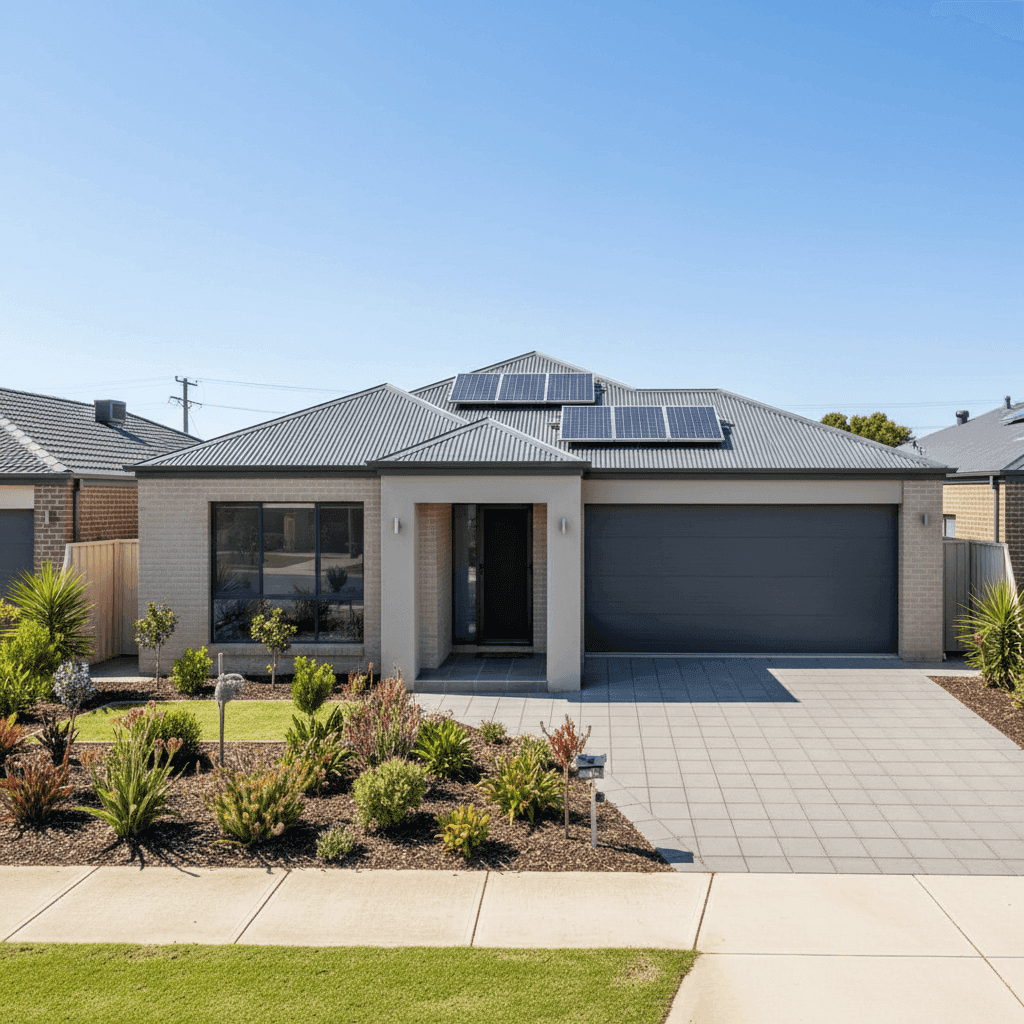
If you own a free standing home in Waikiki, WA 6169, you're part of a coastal suburb in the City of Rockingham that's grown steadily in popularity over the past decade. With properties like this — a four-bedroom, two-bathroom double brick home built in 2012 — home and contents insurance is a significant annual expense worth scrutinising carefully. This article breaks down a real quote of $2,112 per year (or $202/month) for a property of this type, and helps you understand whether that figure represents good value in today's market.
---
Is This Quote Fair?
The short answer: this quote is rated Expensive — above average for the Waikiki area.
Based on data from 75 quotes collected for Waikiki (postcode 6169), the suburb average premium sits at $1,339 per year, with a median of just $968. That means this $2,112 quote is nearly 58% above the suburb average and more than double the suburb median — a meaningful gap that's worth investigating before you simply renew.
That said, context matters. The quote covers a combined building sum insured of $609,000 and contents valued at $143,000 — a total insured value of $752,000. Homes with higher sums insured will naturally attract higher premiums, so a straight comparison against the suburb average isn't always apples-to-apples. Still, even accounting for coverage levels, there's a reasonable case that this homeowner could find better value by shopping around.
---
How Waikiki Compares
To put this quote in broader perspective, here's how Waikiki stacks up against the rest of Western Australia and the country:
| Benchmark | Average Premium | Median Premium |
|---|---|---|
| Waikiki (6169) | $1,339/yr | $968/yr |
| LGA – Rockingham | $1,561/yr | — |
| Western Australia | $2,811/yr | $2,127/yr |
| National | $5,347/yr | $2,764/yr |
Interestingly, this $2,112 quote is actually below both the WA state average ($2,811) and the national average ($5,347). When viewed through a state or national lens, it looks far more reasonable. You can explore Western Australia insurance benchmarks and national home insurance data to dig deeper into these comparisons.
The takeaway? Waikiki is a relatively affordable suburb to insure compared to broader WA trends — likely because it sits outside cyclone risk zones and doesn't carry the bushfire exposure of many Perth Hills properties. However, premiums in the suburb still vary widely: the 25th percentile sits at $682/yr while the 75th percentile reaches $1,785/yr, suggesting that savvy shoppers can find significantly cheaper cover if they compare the market.
---
Property Features That Affect Your Premium
Several characteristics of this particular property influence what insurers charge. Here's how each one plays a role:
Double Brick Construction Double brick is generally viewed favourably by insurers. It's durable, fire-resistant, and holds up well structurally over time. Compared to timber-framed or clad homes, double brick can attract lower premiums — or at least fewer risk surcharges.
Steel/Colorbond Roof Colorbond steel roofing is another tick in the insurer's favour column. It's lightweight, low-maintenance, and performs well in high-wind events. Unlike terracotta or concrete tiles, it's less prone to cracking or displacement, reducing the likelihood of storm-related claims.
Slab Foundation A concrete slab foundation is standard for homes of this era in WA and is considered a stable, low-risk foundation type. There's no subfloor space to worry about, which reduces exposure to certain moisture and pest-related issues.
Built in 2012 At around 13 years old, this home is relatively modern — old enough to have settled well, but new enough that major systems (plumbing, electrical, roofing) are unlikely to be at end-of-life. Newer builds often attract more competitive premiums than older homes requiring more maintenance.
Solar Panels Solar panels add value to a property but also introduce a specific insurable risk. Panels can be damaged by hail, storms, or falling debris, and not all policies cover them automatically. It's worth confirming whether your policy explicitly includes solar panel cover under the building sum insured.
Ducted Climate Control Ducted air conditioning systems are a significant fixed asset and are typically covered under building insurance. However, mechanical breakdown is usually excluded — so if the system fails due to age or wear, you'd be looking at an out-of-pocket repair.
Tile Flooring Tiles are a durable, low-maintenance flooring choice that can actually reduce contents claims related to flooring damage. They're also easier to repair in sections compared to timber or carpet.
---
Tips for Homeowners in Waikiki
1. Don't auto-renew without comparing The spread between the 25th and 75th percentile premiums in Waikiki ($682 vs $1,785) shows just how much prices vary between insurers for similar properties. Auto-renewing year after year is one of the most common ways homeowners overpay. Set a reminder to compare quotes at least 30 days before your renewal date.
2. Review your sum insured annually Building costs in WA have risen sharply in recent years. A sum insured of $609,000 for a 214 sqm double brick home may be appropriate today, but it's worth recalculating your rebuild cost each year using a building cost calculator. Being underinsured can leave you significantly out of pocket after a major claim.
3. Confirm solar panel coverage in writing Ask your insurer specifically whether your solar panels are covered under your building policy, and for what events (storm, hail, fire). Some policies include them automatically; others require an endorsement or list them as an exclusion. Don't assume.
4. Consider your excess strategy Both the building and contents excess on this policy sit at $1,000 each. Opting for a higher voluntary excess (say, $2,000) can reduce your annual premium meaningfully. If you have a solid emergency fund and are unlikely to make small claims, this trade-off can work in your favour.
---
Compare Your Options with CoverClub
Whether this quote represents fair value for your situation depends on your specific coverage needs, insurer inclusions, and how actively you shop around. The best way to know if you're getting a competitive deal is to compare.
Get a home insurance quote at CoverClub and see how your premium stacks up against real data from homeowners in Waikiki and across Western Australia. You can also explore the full Waikiki suburb insurance stats to better understand local pricing trends before you decide.