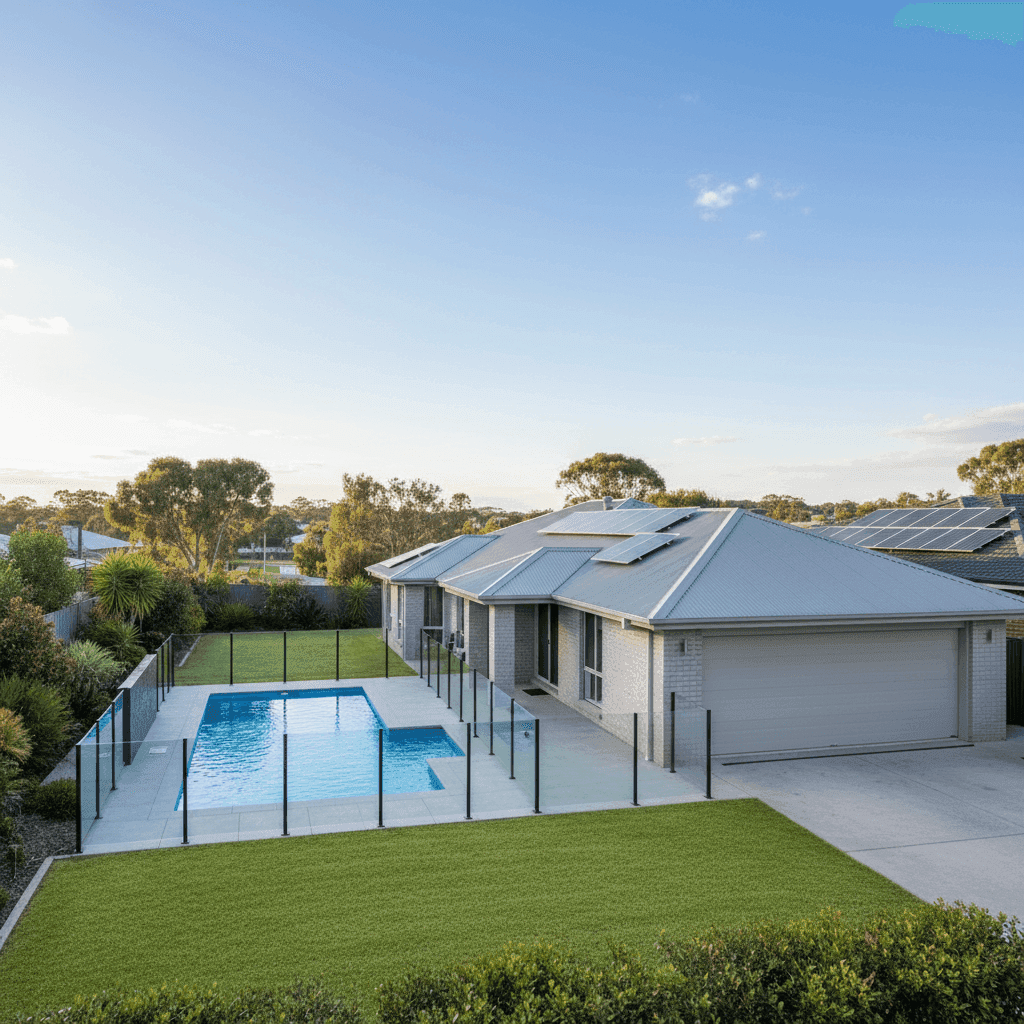
Wallabi Point is a coastal community in the Mid-Coast region of New South Wales, sitting within the 2430 postcode alongside Manning Point, Harrington, and surrounds. It's the kind of area that attracts families and sea-changers alike — quiet streets, proximity to the Manning River, and that relaxed NSW north coast lifestyle. But for homeowners here, understanding the true cost of insuring a free standing home is just as important as finding the right property in the first place.
This article breaks down a real home and contents insurance quote for a four-bedroom, two-bathroom free standing home in Wallabi Point, helping you understand what's driving the price — and whether there's room to do better.
---
Is This Quote Fair?
The quote in question comes in at $4,239 per year (or $423 per month), covering both building and contents for a property with a building sum insured of $1,509,000 and contents valued at $115,000. The building excess is set at $3,000, with a $1,000 excess on contents.
Our price rating for this quote is Expensive — above average for the area.
To put that in context: the suburb average for Wallabi Point sits at $2,806 per year, and the median is $3,039 per year. This quote lands well above both figures, and even exceeds the 75th percentile benchmark of $3,039 — meaning it's pricier than the majority of comparable quotes we've seen in this postcode.
It's worth noting that the sample size for Wallabi Point is relatively small (five quotes), so the suburb averages should be treated as a guide rather than a definitive benchmark. That said, the gap between this quote and the local median is significant enough to warrant a closer look.
---
How Wallabi Point Compares
Zooming out to a broader view reveals some interesting context. You can explore the full breakdown on the Wallabi Point insurance stats page.
| Benchmark | Annual Premium |
|---|---|
| This quote | $4,239 |
| Wallabi Point average | $2,806 |
| Wallabi Point median | $3,039 |
| NSW average | $3,801 |
| NSW median | $3,410 |
| National average | $2,965 |
| National median | $2,716 |
| Mid-Coast LGA average | $5,840 |
One figure that stands out is the Mid-Coast LGA average of $5,840 per year — considerably higher than this quote. The LGA encompasses a wide range of properties, including those in higher-risk flood and coastal zones, which can push the LGA average up significantly. Relative to that benchmark, this quote actually looks more reasonable.
At the state level, NSW premiums average $3,801 per year, which is notably higher than the national average of $2,965. NSW homeowners generally face elevated premiums due to a combination of extreme weather events, bushfire exposure, and high property values — all of which factor into insurer risk modelling.
Still, this quote sits above the NSW average, which suggests there may be room to find a more competitive price with a different provider.
---
Property Features That Affect Your Premium
Several characteristics of this property play a direct role in how insurers calculate the premium.
Building Sum Insured: $1,509,000
This is one of the most significant drivers of the premium. At $1,509,000, the building sum insured is substantial — reflecting the cost to fully rebuild a 214 sqm home to modern standards, including materials, labour, demolition, and professional fees. Insurers base their pricing heavily on this figure, so it's essential it's accurate. Under-insuring to reduce premiums can leave you seriously out of pocket after a major claim.
Brick Veneer Walls and Colorbond Roof
Brick veneer construction is generally viewed favourably by insurers — it offers solid fire resistance and structural durability compared to lightweight alternatives. A steel Colorbond roof is similarly well-regarded: it's durable, low-maintenance, and performs well in high-wind conditions. Together, these materials typically attract more competitive premiums than, say, timber cladding or older tile roofs.
Slab Foundation
A concrete slab foundation is a positive risk signal for insurers. Slabs are resistant to subsidence and pest damage, and they don't carry the moisture and rot risks associated with raised timber stumps. This is a tick in the right column when it comes to pricing.
Swimming Pool
Pools add value to a property but also introduce liability considerations. Most home insurance policies include public liability cover, which becomes relevant if a visitor is injured in or around the pool. Some insurers may factor pool presence into their premium calculations, particularly regarding liability exposure.
Solar Panels
Solar panels are now a standard feature on many Australian homes, but they do add to the replacement cost of a property. If your panels are included in the building sum insured, that's the appropriate place for them — just make sure the insured amount accounts for their current replacement value, especially as system sizes and costs evolve.
Timber and Laminate Flooring
Timber and laminate floors are popular but can be more susceptible to water damage than tiles. In a contents or building claim involving water ingress, flooring replacement can be a significant cost — something worth keeping in mind when reviewing your level of cover.
---
Tips for Homeowners in Wallabi Point
1. Shop around — seriously This quote is above the suburb average and the NSW average. With home insurance, loyalty doesn't always pay. Use a comparison service like CoverClub to see what other insurers are offering for the same level of cover. Even a modest saving of $500–$800 per year adds up quickly.
2. Review your building sum insured annually Construction costs in regional NSW have risen sharply in recent years. If your sum insured hasn't been updated to reflect current rebuild costs, you could be underinsured — or alternatively, paying for more cover than you need. Consider getting a professional building valuation or using an online calculator to verify your figure.
3. Check what's included for your pool and solar panels Not all policies treat pools and solar panels the same way. Some cover them automatically under the building policy; others require specific endorsements. Confirm with your insurer exactly what's covered and under what circumstances, particularly for accidental damage and storm events.
4. Consider your excess strategically This policy carries a $3,000 building excess — on the higher end. A higher excess typically lowers your premium, but it also means more out-of-pocket costs if you need to make a claim. Think about what you could comfortably afford to pay in an emergency, and adjust your excess accordingly when comparing quotes.
---
Compare Your Options with CoverClub
Whether you're renewing your policy or insuring a new property in Wallabi Point, it pays to compare. CoverClub makes it easy to see what multiple insurers are offering side by side, so you can make an informed decision rather than just accepting the first quote that lands in your inbox. Get a home insurance quote today and find out if you could be paying less for the same peace of mind.