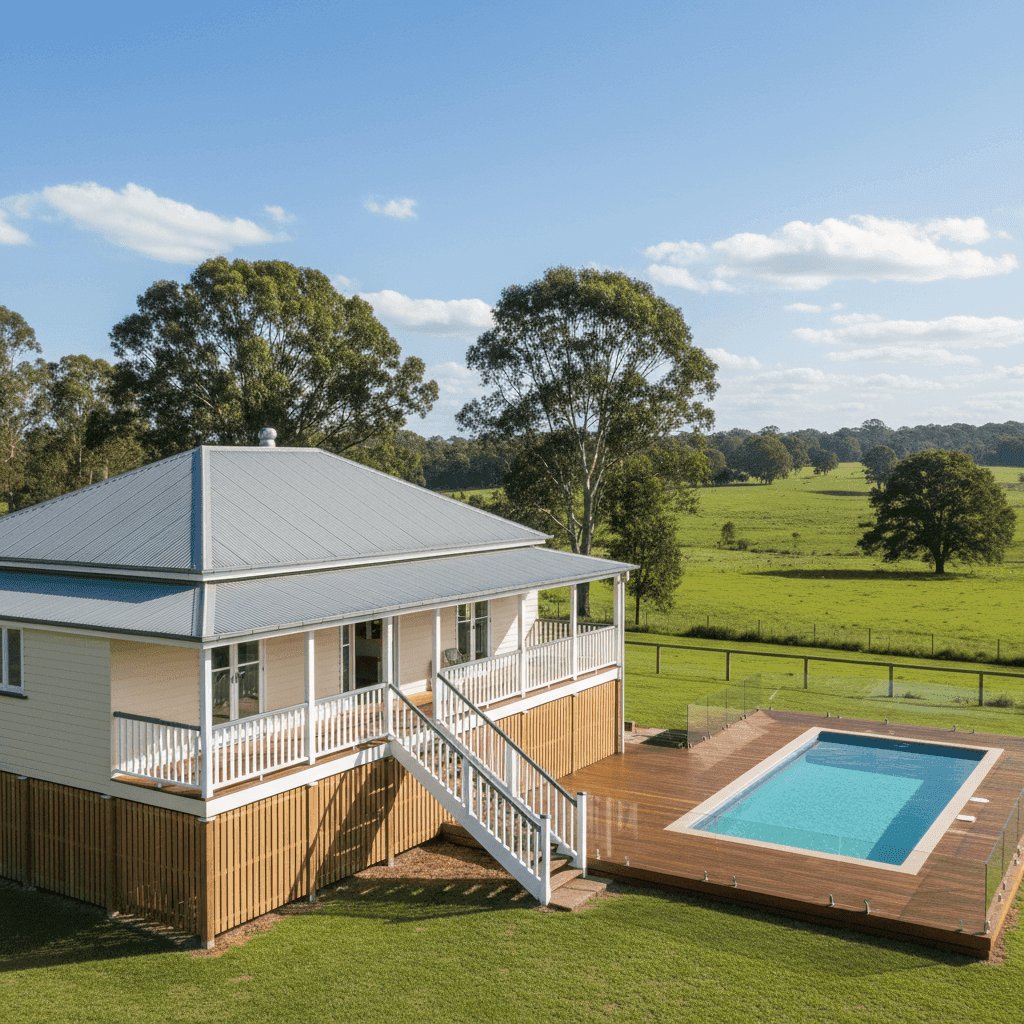
Wallaville is a small rural locality in Queensland's North Burnett region, and like many towns across regional QLD, home insurance here comes with its own unique set of risk factors and pricing dynamics. This article takes a close look at a recent home and contents insurance quote for a three-bedroom, two-bathroom free standing home in Wallaville (postcode 4671) — examining whether the price is fair, how it stacks up against local and national benchmarks, and what property features are likely influencing the premium.
---
Is This Quote Fair?
The annual premium for this quote came in at $2,136 per year (or $205/month), covering a building sum insured of $785,000 and contents valued at $51,000. Based on our pricing data, this quote has been rated Cheap — below average for the area.
To put that in perspective: the suburb average for Wallaville sits at $3,016/yr, with a median of $2,804/yr. This quote comes in well below both figures — roughly $880 under the suburb average and nearly $670 below the median. It even sits below the 25th percentile of $2,313/yr, meaning it's cheaper than at least 75% of comparable quotes we've seen in the area.
For homeowners in Wallaville, landing a quote at this level is genuinely strong value. That said, it's always worth checking what's included (and excluded) in the policy, particularly around excess levels. This quote carries a $2,000 building excess and a $1,000 contents excess — slightly higher than some policies, which is one common way insurers offer lower upfront premiums.
---
How Wallaville Compares
To truly appreciate this quote, it helps to zoom out and look at the broader pricing landscape.
| Benchmark | Premium |
|---|---|
| This quote | $2,136/yr |
| Wallaville suburb average | $3,016/yr |
| Wallaville suburb median | $2,804/yr |
| North Burnett LGA average | $3,499/yr |
| QLD state average | $9,129/yr |
| QLD state median | $3,903/yr |
| National average | $5,347/yr |
| National median | $2,764/yr |
A few things stand out here. First, Queensland's average home insurance premium of $9,129/yr is extraordinarily high compared to the rest of the country — driven largely by cyclone-prone coastal and far-north Queensland regions where premiums can reach tens of thousands of dollars annually. Wallaville, sitting inland in the North Burnett, benefits from not being classified as a cyclone risk area, which keeps premiums far more manageable.
Second, even against the national average of $5,347/yr, this quote looks very competitive. The national median of $2,764/yr is the more relevant comparison for a property like this, and at $2,136/yr, this quote still comes in below that figure.
It's worth noting our Wallaville sample size is 17 quotes, which gives a reasonable but not exhaustive picture of the local market. Premiums can vary significantly between insurers, so shopping around remains essential.
---
Property Features That Affect Your Premium
Several characteristics of this property will be influencing the premium — some favourably, others less so.
Weatherboard Timber Construction
The external walls are weatherboard wood, which is a common material in older Queensland homes but is generally considered higher risk by insurers compared to brick or rendered masonry. Timber is more susceptible to fire, termite damage, and general wear. This typically pushes premiums upward.
Age of the Home
Built in 1950, this home is over 70 years old. Older properties can attract higher premiums due to ageing infrastructure — particularly plumbing, wiring, and structural elements — that may be more prone to failure or costly to repair to modern standards.
Elevated on Stumps
The home is elevated by at least one metre on stumps — a classic Queensland design that actually works in the homeowner's favour here. Elevation provides meaningful protection against flood and storm water inundation, which is a significant risk factor in many parts of regional Queensland. Insurers often view elevated homes more favourably in flood-adjacent areas.
Steel/Colorbond Roof
Colorbond roofing is widely regarded as one of the more durable and insurance-friendly roofing materials available in Australia. It's resistant to fire, rust, and extreme weather, and tends to be cheaper to repair or replace than terracotta or concrete tiles.
Swimming Pool
The presence of a pool adds some complexity to the policy. Pools can increase liability exposure and add to the replacement cost of the property, which may slightly lift the premium. They also require appropriate fencing under Queensland law, which insurers may factor in.
Ducted Climate Control
Ducted air conditioning is a significant fixed asset that adds to the overall insured value of the home. Its inclusion is reflected in the building sum insured and contributes to the overall replacement cost calculation.
No Solar Panels, No Cyclone Zone
The absence of solar panels simplifies the policy somewhat — solar systems can be a grey area in home insurance, with some policies covering them under building and others requiring separate cover. And crucially, Wallaville is not classified as a cyclone risk area, which is one of the biggest premium drivers in Queensland. This is a meaningful cost saving compared to coastal QLD properties.
---
Tips for Homeowners in Wallaville
1. Don't set and forget your sum insured Building costs have risen sharply in recent years. A home built in 1950 with a current sum insured of $785,000 may seem adequate, but reconstruction costs — particularly for a timber-framed, elevated Queenslander-style home — can be surprisingly high. Review your sum insured annually and consider using a building calculator to verify it reflects current labour and materials costs.
2. Understand your excess before you claim This policy carries a $2,000 building excess. That's not unusual, but it does mean smaller claims — a broken window, minor storm damage — may not be worth lodging given the impact on your claims history and future premiums. Budget for minor repairs out of pocket where possible.
3. Maintain your timber home proactively Weatherboard homes require regular upkeep. Insurers can and do decline claims where damage is attributed to gradual deterioration or lack of maintenance. Keep paintwork fresh, check for termite activity regularly, and ensure gutters and downpipes are clear — particularly heading into storm season.
4. Compare quotes at renewal time This quote is rated cheap for the area, but insurance markets shift. The insurer offering the best deal today may not be the most competitive at your next renewal. Use a comparison platform like CoverClub to benchmark your renewal quote before you accept it — it takes only a few minutes and could save you hundreds.
---
Find the Right Cover for Your Home
Whether you're a first-time buyer or a long-term Wallaville resident reviewing your existing policy, comparing quotes is the single most effective way to ensure you're not overpaying. At CoverClub, you can get a home insurance quote and instantly see how it compares to others in your suburb, your LGA, and across Queensland. With premiums varying as widely as they do — even within the same postcode — a few minutes of research can make a real difference to your household budget.