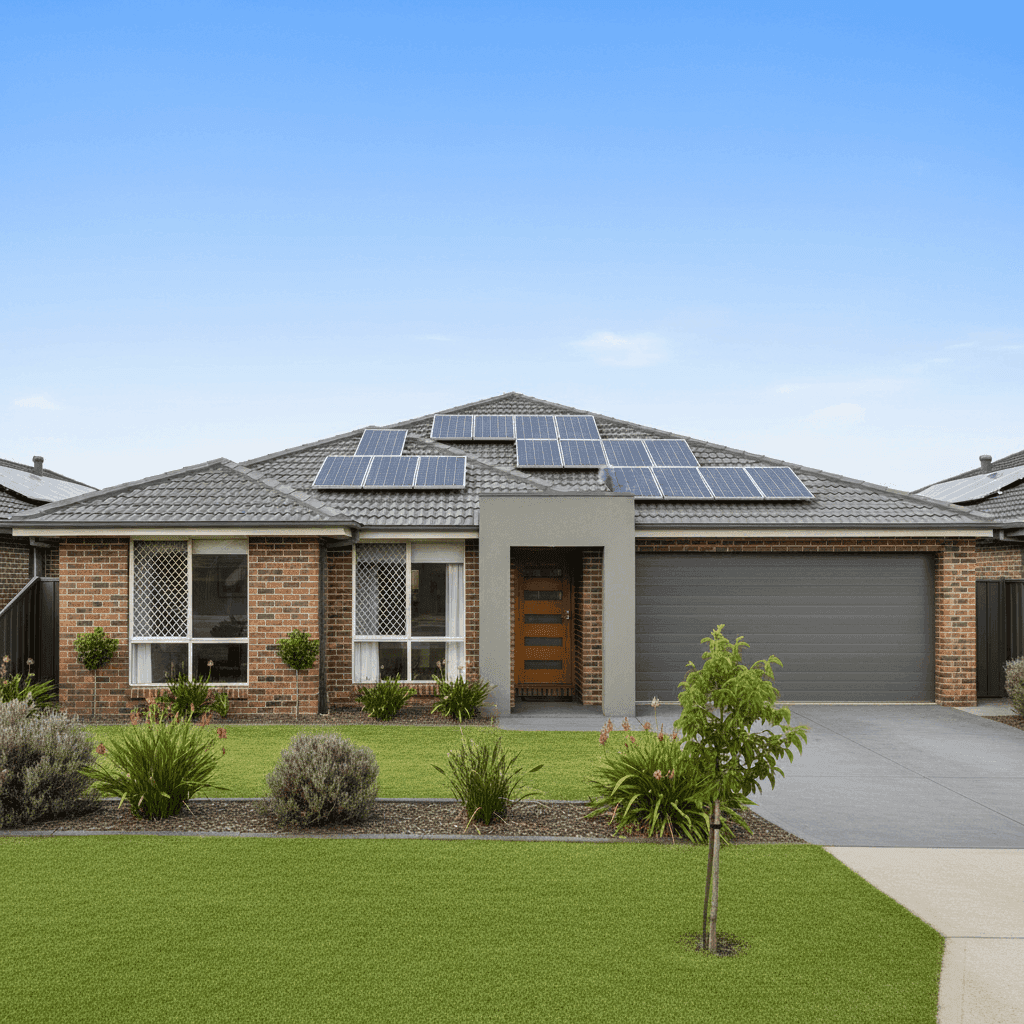
Wallsend is a well-established suburb in the Hunter Region of New South Wales, sitting roughly 10 kilometres west of Newcastle's CBD. Known for its leafy streets and solid residential character, it attracts families looking for space and value — and a four-bedroom, free-standing home here ticks a lot of boxes. But when it comes to home insurance, how does a quote of $4,049 per year stack up? Let's dig into the numbers.
---
Is This Quote Fair?
The short answer: this quote sits in the expensive category relative to what others in Wallsend are paying.
At $4,049 annually (or $388 per month), this Home and Contents policy covers a building sum insured of $800,000 and contents valued at $152,000 — both with a $500 excess. On the surface, the coverage is comprehensive, but the premium is notably higher than what the local market suggests is typical.
To put it in perspective, the suburb average premium in Wallsend is $1,613 per year, and the median sits even lower at $1,284 per year. Even at the 75th percentile — meaning 75% of quotes in the area come in cheaper — the figure is $2,203 per year. This quote at $4,049 sits well above that upper band, which warrants a closer look.
That said, it's worth noting that the sum insured here is substantial. An $800,000 building cover for a 214 sqm brick veneer home built in 2009 is on the higher end, and contents cover of $152,000 adds meaningful weight to the premium. These factors alone can push a quote significantly above the local average, particularly if the insurer's pricing model is conservative on rebuild costs or contents risk.
---
How Wallsend Compares
Understanding where Wallsend sits in the broader insurance landscape helps frame whether this premium reflects local risk or simply a pricing mismatch.
| Benchmark | Average Premium | Median Premium |
|---|---|---|
| Wallsend (2287) | $1,613/yr | $1,284/yr |
| New South Wales | $9,528/yr | $3,770/yr |
| National | $5,347/yr | $2,764/yr |
| Lake Macquarie LGA | $11,064/yr | — |
A few things stand out here. NSW's average premium of $9,528 is extraordinarily high — largely skewed by flood-prone and high-risk areas across the state. The median of $3,770 is a more realistic benchmark for typical NSW homeowners. Nationally, the median sits at $2,764.
Wallsend's median of $1,284 is actually quite competitive by both state and national standards, suggesting the suburb carries relatively modest insurance risk. This makes the $4,049 quote even more notable — it's more than three times the local median.
You can explore the full data for Wallsend at CoverClub's Wallsend suburb stats page, compare it against NSW state-wide figures, or see how it stacks up against the national picture.
> Note: The suburb comparison is based on a sample of 21 quotes, which is a reasonable but modest dataset. Averages can shift as more data comes in.
---
Property Features That Affect Your Premium
Several characteristics of this property influence how insurers price the risk — some favourably, others less so.
Brick Veneer Construction Brick veneer is one of the most common wall types in Australian suburban homes and is generally viewed positively by insurers. It offers good fire resistance and structural durability, which can help keep premiums in check compared to timber-framed or clad alternatives.
Tiled Roof A tiled roof is another standard feature that insurers tend to rate well. Tiles are durable, long-lasting, and less susceptible to fire damage than some other roofing materials. Combined with brick veneer walls, this home presents a fairly low-risk construction profile.
Slab Foundation Concrete slab foundations are common in homes built from the 1990s onwards and are generally considered stable and low-maintenance. There's no subfloor cavity to worry about, which reduces certain risk factors like pest ingress or moisture damage from below.
Solar Panels This property has solar panels installed, which is increasingly common across Australian homes. However, solar systems do add to the replacement cost of a property and can introduce specific risks (such as fire from faulty inverters or panel damage from hail). Some insurers include solar panels automatically in building cover; others may require explicit inclusion. It's worth confirming your policy covers the full replacement value of your system.
Ducted Climate Control Ducted air conditioning is a significant fixed asset and adds to the overall replacement cost of the home. It's typically included under building cover but can be a source of claims — particularly for electrical faults or storm damage to external compressor units.
Year Built: 2009 A home built in 2009 benefits from relatively modern construction standards, including improved bushfire and cyclone resilience codes introduced in the early 2000s. This generally works in the homeowner's favour from a risk-assessment standpoint.
No Pool, No Cyclone Risk Zone The absence of a swimming pool removes a common liability risk factor, and Wallsend's location outside designated cyclone risk areas means no cyclone loading is applied to the premium — a meaningful saving compared to properties in northern Queensland or coastal WA.
---
Tips for Homeowners in Wallsend
If you're looking to ensure you're getting fair value on your home insurance, here are four practical steps worth considering.
1. Shop around — seriously The gap between the cheapest and most expensive quotes in Wallsend can be significant. With a suburb median of $1,284 and a 75th percentile of $2,203, there's clearly a wide spread in the market. Getting multiple quotes is the single most effective way to avoid overpaying. Start comparing quotes at CoverClub to see what's available for your property.
2. Review your sum insured carefully An $800,000 building sum insured is substantial. Make sure it reflects the actual cost to rebuild your home from the ground up — not its market value. Overinsuring can push premiums unnecessarily high, while underinsuring leaves you exposed. Use a professional building cost calculator or consult a quantity surveyor if you're unsure.
3. Confirm solar panel coverage With solar panels on the roof, check your policy wording carefully. Some policies cover panels as part of the building; others treat them separately or exclude certain types of damage. Given the cost of a quality solar system, a coverage gap here could be costly.
4. Consider your excess strategically Both the building and contents excess on this policy sit at $500 — a fairly standard level. Opting for a higher excess (say, $1,000 or $2,000) can meaningfully reduce your annual premium. If you're a low-claims household with solid emergency savings, this trade-off often makes financial sense.
---
Compare Your Options with CoverClub
Whether you're renewing an existing policy or shopping for the first time, it pays to know where your quote sits relative to the market. CoverClub makes it easy to see how your premium compares to others in Wallsend, across NSW, and nationally — so you can make an informed decision rather than simply accepting the first number you're given. Get a home insurance quote today and find out if you could be paying less.