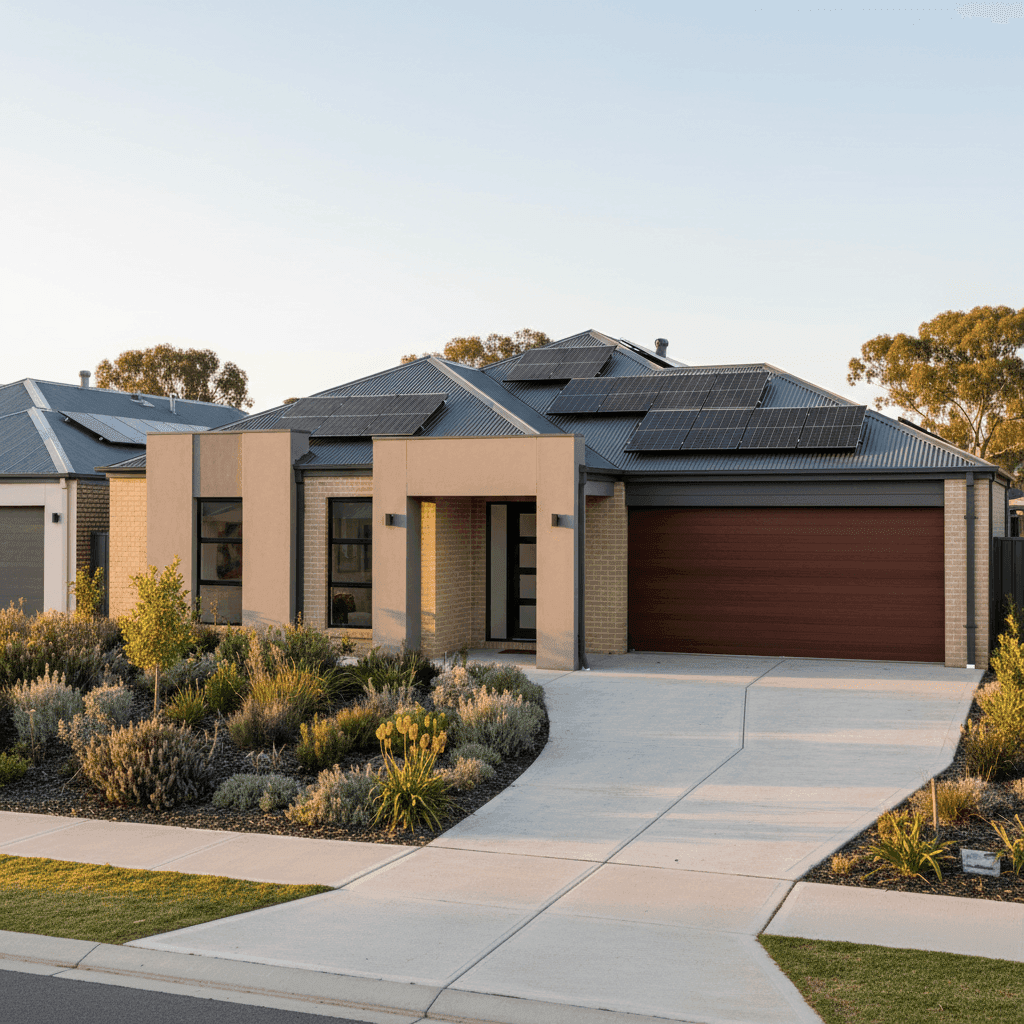
If you own a free standing home in Wangara, WA 6065, you're probably curious about whether you're paying a fair price for home insurance — or leaving money on the table. This article breaks down a real home and contents insurance quote for a four-bedroom, two-bathroom property in Wangara, comparing it against local, state, and national benchmarks so you can make a genuinely informed decision.
---
Is This Quote Fair?
The short answer? Yes — and then some. This quote comes in at $1,543 per year (or roughly $151 per month) for combined home and contents cover, with a building sum insured of $750,000 and contents valued at $50,000. CoverClub's price rating system classifies this as CHEAP — below average — which is a strong result for a comprehensive policy.
To put that in perspective, the average home insurance premium across Western Australia sits at $2,144 per year, with a state median of $1,944. Nationally, Australian homeowners are paying even more — an average of $2,965 per year, with a median of $2,716. This quote undercuts every one of those benchmarks, which suggests the homeowner is getting solid value for their coverage level.
Of course, "cheap" doesn't always mean "right." It's worth checking that the sum insured genuinely reflects the cost to rebuild the home — not just its market value — and that the contents figure covers everything from furniture to appliances to personal belongings. But from a pure pricing standpoint, this is a competitive result.
---
How Wangara Compares
Here's where things get interesting from a local data perspective. While suburb-level comparison data isn't available for this postcode, the LGA (City of Wanneroo) average premium sits at exactly $1,543 per year — meaning this quote is right on par with what other homeowners in the same local government area are typically paying.
That alignment tells a useful story: insurers appear to price Wangara and the broader Wanneroo LGA as a relatively low-risk area compared to the rest of WA and the country. The suburb sits in Perth's northern corridor, away from cyclone-prone zones and high-bushfire-risk areas, which naturally keeps premiums more manageable.
For a full breakdown of insurance pricing trends in this postcode, visit the Wangara suburb stats page. You can also explore WA-wide insurance data or review national home insurance statistics to see how your situation stacks up across the country.
---
Property Features That Affect Your Premium
Several characteristics of this particular home work in the homeowner's favour when it comes to insurance pricing. Here's what stands out:
Double Brick Construction
Double brick is widely regarded by insurers as one of the most resilient wall materials available. It offers strong resistance to fire, wind, and structural damage — all factors that reduce the likelihood of a major claim. In WA especially, double brick is the dominant construction style, and insurers have well-established pricing models for it.
Steel / Colorbond Roof
A Colorbond steel roof is another tick in the "low risk" column. It's durable, fire-resistant, and handles the elements well across Australian conditions. Unlike older tile roofs, Colorbond doesn't crack or degrade as readily, which reduces the chance of water ingress or storm damage claims.
Slab Foundation
Concrete slab foundations are considered stable and low-maintenance by insurers. They're less susceptible to subsidence or termite-related structural issues compared to raised timber stumps, which can be a concern in some older Perth suburbs.
Built in 2022
A recently constructed home is a significant premium advantage. Newer builds comply with modern Australian building codes (including updated bushfire and wind resistance standards), use contemporary materials, and are far less likely to have hidden defects or ageing infrastructure. Insurers reward this with lower premiums.
Solar Panels
This property has solar panels installed, which adds a modest element of complexity to the insurance picture. Solar systems represent an additional asset that may need to be covered — either under the building policy or separately. It's worth confirming with your insurer exactly how your panels are covered and whether the sum insured accounts for replacement costs.
Timber / Laminate Flooring
Timber and laminate floors can be a factor in contents or building claims — particularly for water damage events. They're generally more susceptible to warping from leaks than tiles or polished concrete. Ensuring your policy covers accidental water damage is a sensible precaution.
No Pool, No Ducted Climate Control
The absence of a pool removes a common source of liability and maintenance-related claims. Similarly, no ducted climate control system means fewer mechanical components that could fail or cause damage. Both factors contribute to a cleaner risk profile.
---
Tips for Homeowners in Wangara
1. Review Your Building Sum Insured Annually
Construction costs in Perth have risen significantly over recent years due to labour shortages and material price increases. A sum insured set a few years ago — even $750,000 — may not fully cover the cost to rebuild today. Use an online building calculator or speak to a quantity surveyor to validate your figure each year at renewal.
2. Confirm Solar Panel Coverage
Solar panels are often a grey area in home insurance policies. Some insurers include them under the building sum insured automatically; others require a specific endorsement or separate cover. Check your Product Disclosure Statement (PDS) carefully and ask your insurer directly if you're unsure.
3. Don't Underestimate Your Contents
$50,000 in contents cover can disappear quickly when you start itemising furniture, white goods, electronics, clothing, and valuables. Consider doing a room-by-room audit to make sure your figure is realistic. Many homeowners are underinsured for contents without realising it.
4. Compare at Renewal — Every Time
Even if you're happy with your current premium, the insurance market shifts constantly. Insurers reprice risk regularly, and the best deal this year may not be the best deal next year. Making it a habit to compare quotes at CoverClub before each renewal takes only a few minutes and could save you hundreds of dollars.
---
Ready to Compare Your Own Quote?
Whether you're a first-time buyer in Wangara or a long-time homeowner reviewing your cover, comparing policies side by side is the smartest way to ensure you're getting genuine value. CoverClub makes it easy — just enter your address and get a clear, unbiased view of what's available in your area. Start comparing home insurance quotes today and see how your current premium stacks up.