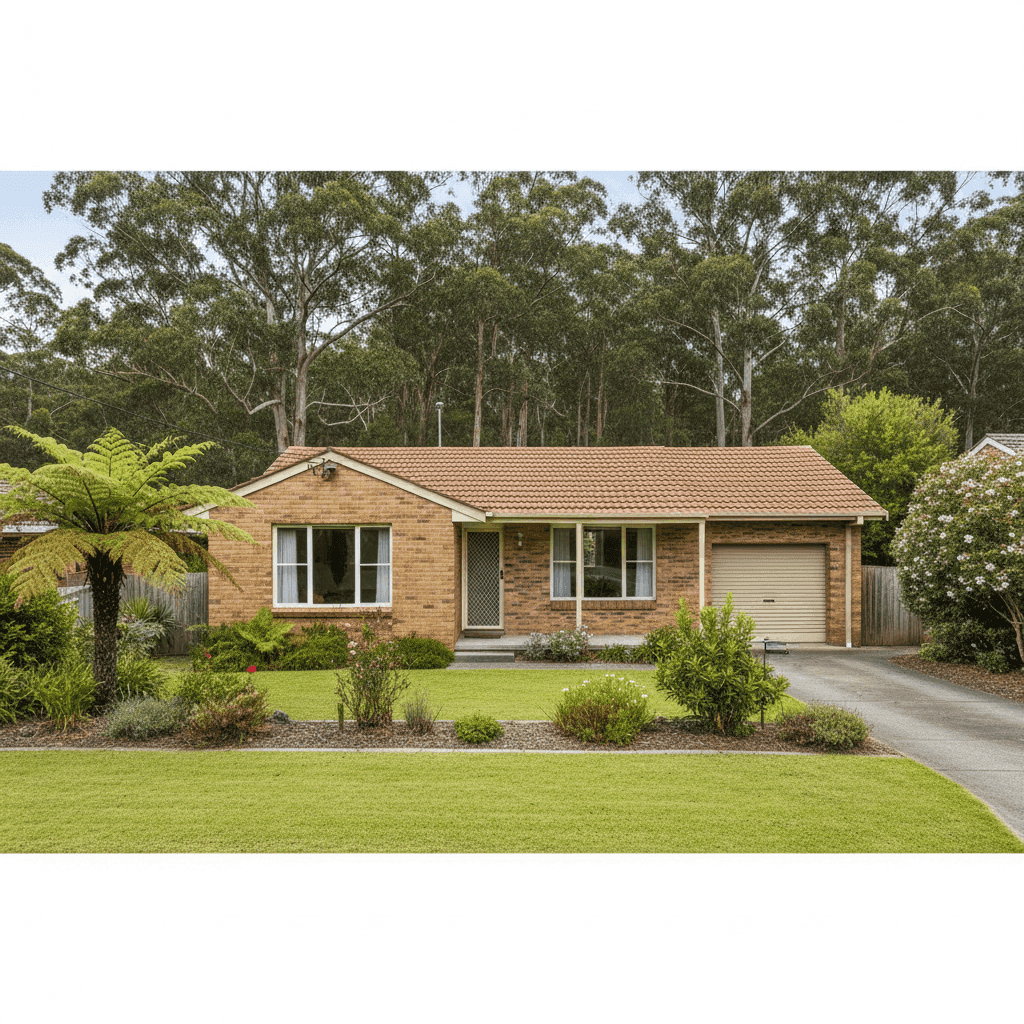
If you own a free standing home in Waratah, TAS 7321, understanding what you should be paying for building insurance is one of the smartest financial checks you can make. Nestled in Tasmania's rugged north-west, Waratah is a small historic mining town surrounded by stunning wilderness — but its remoteness and unique local conditions can influence what insurers charge. This article breaks down a real building-only insurance quote for a two-bedroom, brick veneer home in the area, compares it against state and national benchmarks, and offers practical advice for local homeowners.
---
Is This Quote Fair?
The quote in question comes in at $1,306 per year (or $131 per month) for building-only cover on a 2-bedroom, 1-bathroom free standing home, with a building sum insured of $500,000 and a $2,000 excess.
Our price rating for this quote is CHEAP — below average — which is genuinely good news for the homeowner. In a market where premiums have been climbing steadily across Australia, landing a quote well beneath both state and national averages suggests this property carries a relatively favourable risk profile from an insurer's perspective.
That said, "cheap" doesn't automatically mean "right." It's worth ensuring the $500,000 sum insured accurately reflects what it would cost to fully rebuild the home at today's construction prices — not just its market value. Underinsurance is a widespread problem in Australia, and even a below-average premium won't help much if a claim falls short of actual rebuild costs.
---
How Waratah Compares
To put this quote in proper context, here's how it stacks up against available benchmarks:
| Benchmark | Annual Premium |
|---|---|
| This Quote | $1,306 |
| LGA (Kentish) Average | $2,190 |
| TAS State Average | $2,458 |
| TAS State Median | $2,272 |
| National Average | $2,965 |
| National Median | $2,716 |
The numbers tell a compelling story. This quote is $884 below the Kentish LGA average, $1,152 below the Tasmanian state average, and a striking $1,659 below the national average. That's a significant saving by any measure.
It's worth noting that no suburb-level data was available for Waratah specifically, so the closest geographic comparison is the broader Kentish local government area. You can explore Waratah suburb insurance statistics, Tasmania-wide data, and national home insurance benchmarks to dig deeper into how premiums vary across the country.
---
Property Features That Affect Your Premium
Several characteristics of this particular property likely contribute to its favourable premium. Understanding these factors helps you appreciate why insurers price the way they do — and what might change your premium in the future.
Brick Veneer Construction
Brick veneer external walls are generally viewed positively by insurers. While not as robust as full double-brick, brick veneer offers solid fire resistance and weather protection compared to timber weatherboard or fibre cement cladding. This can translate to lower premiums in areas prone to bushfire or storm damage.
Tiled Roof
A tiled roof is considered a durable, lower-risk roofing material. Unlike metal roofing, tiles are less susceptible to hail denting, and they carry a strong track record for longevity — both factors that insurers factor into their risk assessments.
Stump Foundation
Homes on stumps (also known as pier or post foundations) are common in Tasmania and across regional Australia. This foundation type can actually be beneficial in areas with reactive soils or flood-prone land, as it elevates the structure. However, it does introduce some vulnerability to subfloor moisture and pest ingress, which homeowners should monitor.
No Pool, No Solar Panels
The absence of a swimming pool removes a common liability risk, and no solar panels means fewer concerns around electrical faults or panel-related fire risk. Both of these exclusions keep the risk profile — and the premium — leaner.
Ducted Climate Control
The presence of ducted climate control is worth noting. This system adds value to the building and is typically included in the sum insured. It can also be a source of mechanical breakdown or water damage if not properly maintained, so keeping up with servicing is important.
Built in 1989
A home built in 1989 sits in a reasonably comfortable zone for insurers — old enough to have some character, but constructed under building codes that were more standardised than pre-war or mid-century homes. It's not so old that major structural concerns are automatic, but it's worth keeping an eye on plumbing, wiring, and roofing as the property ages.
---
Tips for Homeowners in Waratah
1. Review Your Sum Insured Regularly
Construction costs have risen sharply in recent years, and $500,000 may or may not be sufficient to fully rebuild a 130 sqm home in Waratah today. Ask your insurer or a quantity surveyor to help you calculate an accurate rebuild cost — not the market value — and update your sum insured accordingly.
2. Maintain Your Stump Foundation
Homes on stumps require periodic inspection of the subfloor space. Check for signs of timber rot, pest activity, or moisture build-up, particularly given Tasmania's cool and sometimes damp climate. Addressing issues early can prevent costly structural claims down the line.
3. Keep Your Ducted System Serviced
Ducted climate control systems that are poorly maintained can become a source of water damage or even fire risk. Annual servicing not only extends the life of the system but may also be required to maintain warranty coverage — and demonstrates to insurers that you're a diligent homeowner.
4. Compare Quotes at Renewal Time
Even with a competitive premium like this one, it pays to shop around at renewal. Insurers regularly reprice risk, and a quote that's cheap today may not be the best deal in 12 months. Using a comparison platform takes the legwork out of the process and ensures you're always getting fair value.
---
Ready to Compare Your Options?
Whether you're a first-time buyer in Waratah or a long-time homeowner reviewing your cover, comparing quotes is the single most effective way to make sure you're not overpaying. At CoverClub, we make it easy to see how your premium stacks up and find a policy that fits your property and budget. Get a home insurance quote today and see what you could be saving.