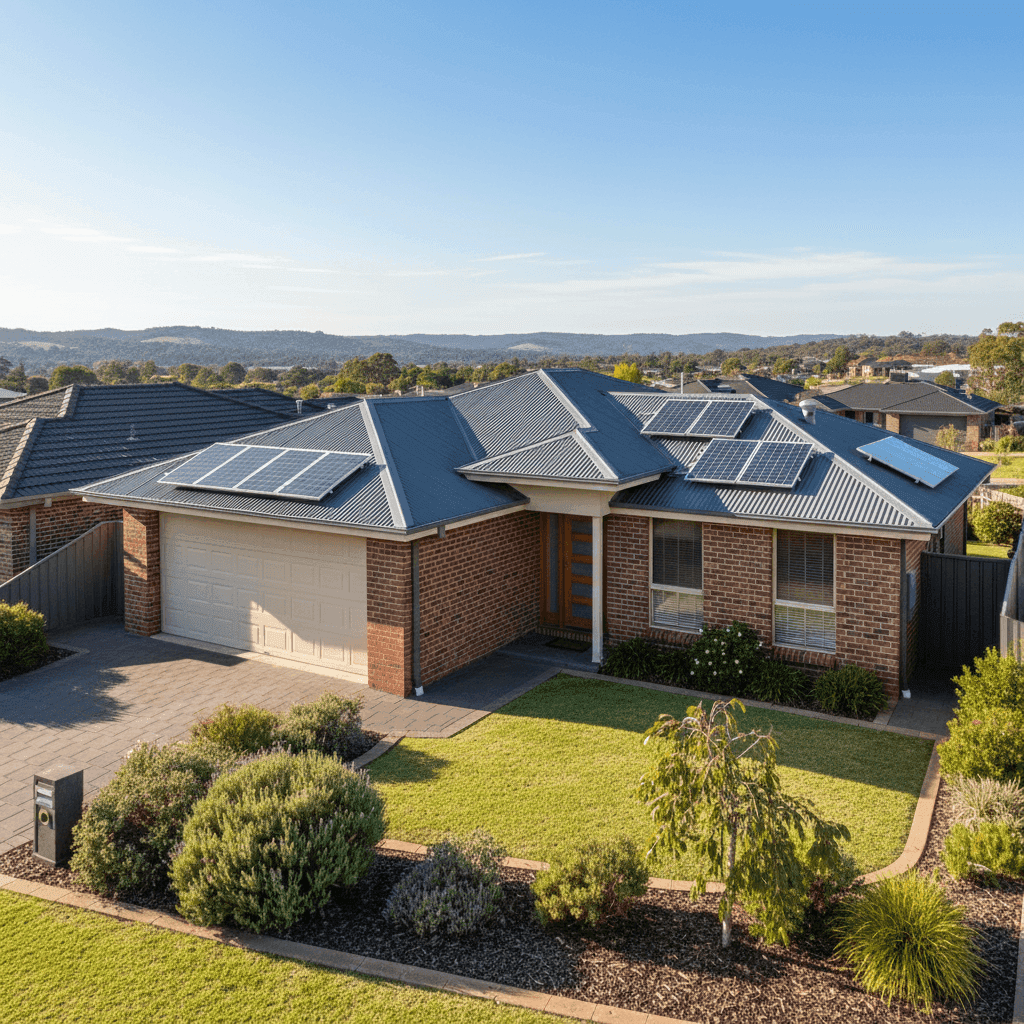
If you own a free standing home in Warners Bay, NSW 2282, you're likely no stranger to the balancing act of finding solid home insurance without overpaying. Nestled on the western shores of Lake Macquarie, Warners Bay is a popular residential suburb that attracts families and long-term homeowners alike — and like anywhere in New South Wales, the cost of insuring your home can vary significantly depending on a range of factors.
This article breaks down a real home and contents insurance quote for a 3-bedroom, 2-bathroom brick veneer home in Warners Bay, compares it against local, state, and national benchmarks, and offers practical tips to help you make the most of your cover.
---
Is This Quote Fair?
The quote in question comes in at $4,001 per year (or $394/month) for combined home and contents insurance, covering a building sum insured of $855,000 and contents valued at $50,000. The building excess is $3,000 and the contents excess is $1,000.
Our pricing analysis rates this quote as Expensive — Above Average.
To put that in context:
- The suburb average for Warners Bay is $3,234/yr, and the median sits at $2,881/yr
- The 75th percentile for the suburb is $3,987/yr — meaning this quote sits just above the most expensive quarter of local quotes
- The NSW state average is $3,801/yr, and the national average is $2,965/yr
So while this quote isn't wildly out of step with what some Warners Bay homeowners pay, it does land above the suburb average by roughly $767 per year — and nearly $1,120 above the suburb median. That's a meaningful gap worth investigating before you simply accept the premium at face value.
It's worth noting that the building sum insured of $855,000 is on the higher end and will naturally push the premium up compared to properties insured for less. The above-average fittings quality declared for this property also contributes to a higher replacement cost estimate, which flows through to the premium.
---
How Warners Bay Compares
Understanding where your suburb sits in the broader pricing landscape is a useful first step when evaluating any insurance quote. Here's how Warners Bay stacks up:
| Benchmark | Annual Premium |
|---|---|
| This quote | $4,001 |
| Warners Bay suburb average | $3,234 |
| Warners Bay suburb median | $2,881 |
| Lake Macquarie LGA average | $3,593 |
| NSW state average | $3,801 |
| National average | $2,965 |
Warners Bay premiums are generally higher than the national average, which is consistent with broader trends in coastal and lakeside NSW suburbs where property values — and therefore rebuild costs — tend to be elevated. You can explore the full breakdown of local pricing data on the Warners Bay suburb stats page, or compare it against all NSW suburbs and the national picture.
The Lake Macquarie LGA average of $3,593/yr sits between the suburb median and this specific quote, suggesting that while the region isn't the cheapest in NSW, premiums at the $4,000+ mark are towards the upper end of what locals typically pay.
---
Property Features That Affect Your Premium
Several characteristics of this particular property play a direct role in how the premium is calculated.
Brick Veneer Construction Brick veneer walls are generally viewed favourably by insurers — they offer good fire resistance and structural durability. However, they can be more expensive to repair or rebuild than some lighter cladding types, which can nudge premiums upward.
Steel/Colorbond Roof Colorbond roofing is widely regarded as one of the better roof types for insurance purposes in Australia. It's durable, resistant to fire, and holds up well in storms — all factors that can work in a homeowner's favour when it comes to pricing.
Solar Panels This property has solar panels installed. While solar panels can add value and reduce energy costs, they also represent an additional insurable asset that needs to be factored into the building sum insured. Some insurers may also apply a loading for the added complexity of insuring panels, particularly older systems.
Construction Year: 1976 A home built in 1976 is now approaching 50 years old. Older homes can attract higher premiums due to the increased likelihood of wear and tear on plumbing, wiring, and structural elements. Insurers may factor in the cost of bringing components up to current building codes in the event of a claim.
Above-Average Fittings Quality Declaring above-average fittings — think stone benchtops, quality appliances, and premium fixtures — means the cost to rebuild or replace these items is higher. This is accurately reflected in the premium, but it's worth ensuring your sum insured genuinely reflects replacement value rather than market value.
Slab Foundation & Vinyl Flooring A concrete slab foundation is generally considered low-risk from an insurance perspective. Vinyl flooring, while not the most premium finish, is practical and relatively inexpensive to replace — both factors that don't significantly inflate the premium.
---
Tips for Homeowners in Warners Bay
1. Review Your Sum Insured Carefully With a building sum insured of $855,000, it's important to verify this figure reflects the true cost to rebuild — not the market value of the property. Overcovering can mean unnecessarily high premiums, while undercovering leaves you exposed. Use a building cost calculator or speak to a quantity surveyor if you're unsure.
2. Compare Quotes Across Multiple Insurers This quote sits above both the suburb average and the 75th percentile. That's a clear signal to shop around. Premiums for the same property can vary by hundreds — sometimes thousands — of dollars between insurers. Get a comparison quote at CoverClub to see what else is available.
3. Consider Adjusting Your Excess The building excess on this policy is $3,000. Opting for a higher excess is one of the most straightforward ways to reduce your annual premium. If you have a solid emergency fund and are unlikely to make small claims, a higher excess can deliver real savings over time.
4. Check What's Included for Solar Panels Not all policies treat solar panels the same way. Some include them automatically under the building cover; others require them to be listed separately or may have exclusions for mechanical or electrical breakdown. Review the Product Disclosure Statement (PDS) carefully to confirm your panels are fully covered.
---
Ready to Find a Better Deal?
A $4,001 annual premium is a significant household expense — and if you're paying above the suburb average, it's well worth taking 10 minutes to compare your options. At CoverClub, we make it easy to see how your current quote stacks up and explore alternatives from a range of Australian insurers. Start your comparison today and see if there's a better deal waiting for your Warners Bay home.