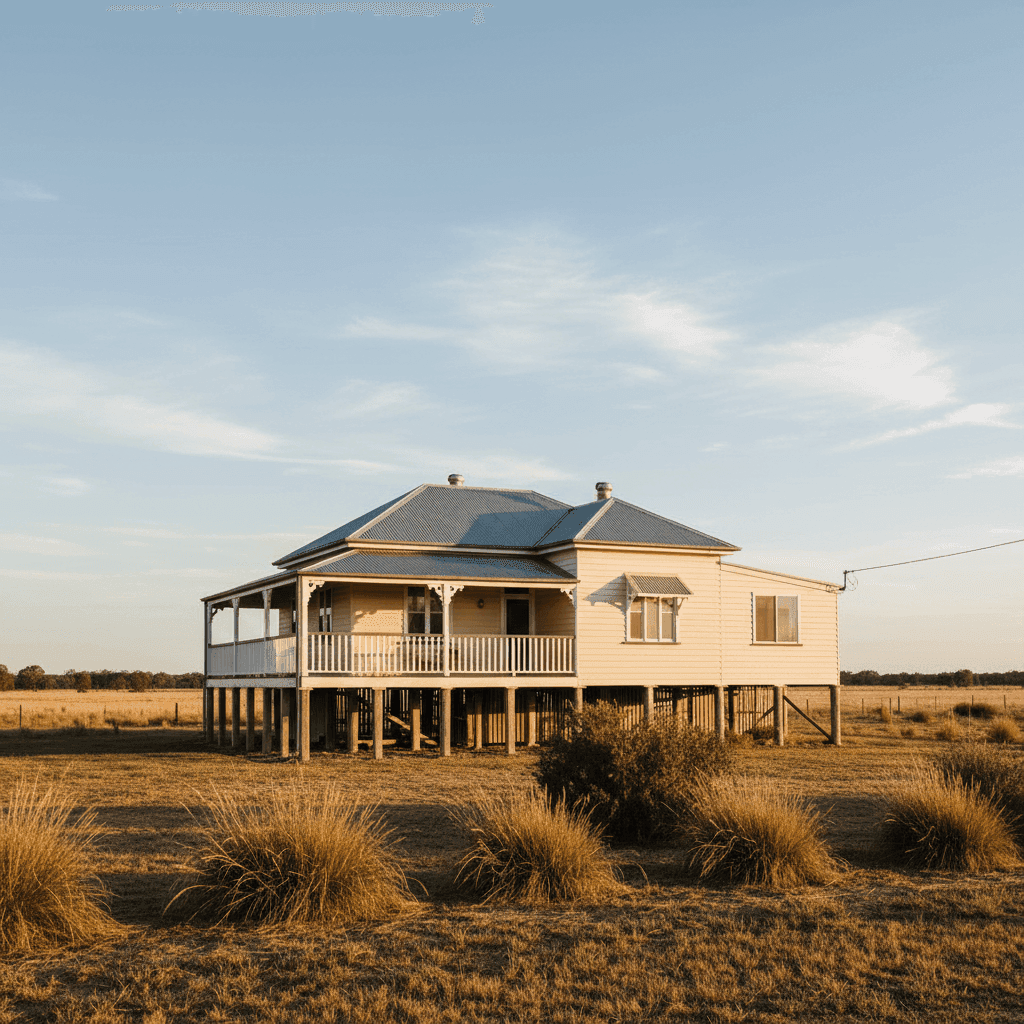
If you own a free standing home in Warra, QLD 4411, you're likely no stranger to the realities of rural Queensland living — wide open spaces, agricultural surrounds, and the kind of quiet that city dwellers dream about. But when it comes to home insurance, that rural charm can come with a significant price tag. This article breaks down a recent home and contents insurance quote for a 2-bedroom, 1-bathroom weatherboard home in Warra, compares it against local, state, and national benchmarks, and offers practical advice for homeowners looking to make the most of their cover.
---
Is This Quote Fair?
The quote in question comes in at $14,938 per year (or $1,425 per month) for a combined home and contents policy, covering a building sum insured of $308,000 and contents valued at $50,000. The building excess is $1,000 and the contents excess is $500.
Our price rating for this quote is EXPENSIVE — above average by a considerable margin.
To put that into perspective: the Queensland state average premium sits at $4,547 per year, with a median of $3,931. Nationally, the average home insurance premium is $2,965, with a median of $2,716. Even within the Western Downs LGA — which already trends higher than the state average at $5,223 per year — this quote is nearly three times the local benchmark.
That's a significant gap, and it raises a very reasonable question: why?
The answer lies in a combination of the property's characteristics, its location in regional Queensland, and the inherent risk profile that insurers assign to homes like this one. We'll unpack each of those factors below.
---
How Warra Compares
Without suburb-level aggregate data available for Warra specifically, we can rely on the broader regional and state picture to contextualise this quote. You can explore the latest figures on the Warra suburb stats page as more data becomes available.
Here's how the numbers stack up:
| Benchmark | Average Premium |
|---|---|
| This Quote | $14,938/yr |
| Western Downs LGA Average | $5,223/yr |
| QLD State Average | $4,547/yr |
| QLD State Median | $3,931/yr |
| National Average | $2,965/yr |
| National Median | $2,716/yr |
The quote is roughly 2.9× the LGA average, 3.3× the state average, and 5× the national average. These are not small deviations — they point to a property that carries elevated risk in the eyes of insurers, driven by a specific set of features that we'll examine next.
---
Property Features That Affect Your Premium
Several characteristics of this particular home are likely contributing to the elevated premium. Understanding these factors can help you have more informed conversations with insurers and brokers.
Age of Construction (1960)
A home built in 1960 is over 60 years old. Older homes typically cost more to insure because they may have ageing electrical wiring, plumbing, and structural elements that don't meet modern building codes. Replacement and repair costs are often higher, and the risk of hidden defects is greater.
Weatherboard Timber Walls
Weatherboard timber is a classic construction material in rural Queensland, but it's considered a higher-risk wall type by insurers compared to brick or rendered masonry. Timber is more susceptible to fire, pest damage (particularly termites), and general deterioration over time — all of which factor into premium calculations.
Stump Foundation
Homes built on stumps — common in older Queensland construction — can be prone to movement, subsidence, and moisture-related issues beneath the floor. This foundation type can increase the perceived structural risk for insurers, particularly in rural areas where soil conditions vary.
Carpet Flooring
While carpet itself isn't a major premium driver, it does contribute to contents and building replacement costs, particularly if water damage or flooding occurs. In rural Queensland, where storm events can be significant, this is worth noting.
Rural Location — Western Downs
Warra sits within the Western Downs region, a largely agricultural area of Queensland. Properties in regional and remote areas often attract higher premiums due to factors such as longer emergency response times, greater distance from fire stations, limited local trades for repairs, and exposure to rural hazards like grass fires and storms.
Building Size (105 sqm)
At 105 square metres, this is a modest-sized home. However, the sum insured of $308,000 reflects the true cost of rebuilding — not the market value — and in regional areas, construction and labour costs can be surprisingly high.
---
Tips for Homeowners in Warra
If you're a homeowner in Warra or the broader Western Downs region, here are some practical steps you can take to manage your insurance costs without compromising your protection.
1. Shop Around and Compare Multiple Quotes
The single most effective thing you can do is compare quotes from multiple insurers. Premiums for the same property can vary enormously between providers. Use a comparison platform like CoverClub to get a clear picture of what the market is offering for your specific address and property type.
2. Review Your Sum Insured Carefully
Make sure your building sum insured reflects the actual cost to rebuild — not the market value or purchase price. Overinsuring inflates your premium unnecessarily, while underinsuring leaves you exposed. A quantity surveyor or online rebuild calculator can help you arrive at an accurate figure.
3. Consider a Higher Excess
Opting for a higher voluntary excess can meaningfully reduce your annual premium. If you have the financial capacity to cover a larger out-of-pocket cost in the event of a claim, this can be a smart trade-off — particularly for lower-probability events.
4. Maintain and Upgrade Where Possible
Insurers reward lower-risk properties. If your budget allows, upgrading older electrical systems, treating for termites, and maintaining the structural integrity of your stumps can reduce your risk profile over time. Some insurers also offer discounts for security improvements such as deadbolts and monitored alarm systems.
---
Ready to Find a Better Deal?
A premium of nearly $15,000 per year is substantial, and there's every reason to explore whether you can secure comparable cover for less. At CoverClub, we help Australian homeowners compare home and contents insurance quotes quickly and easily — so you can make a confident, informed decision. Get a quote today and see how much you could save.