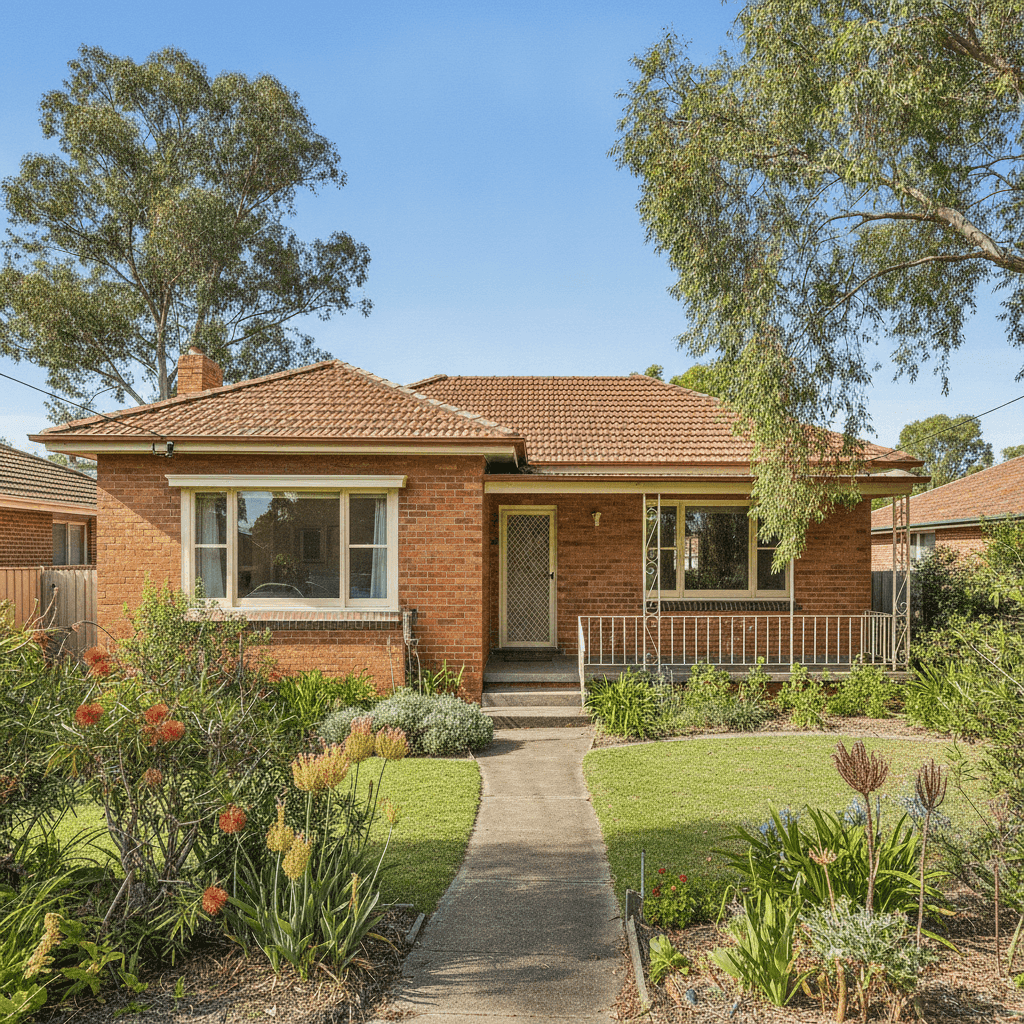
If you own a free standing home in Warwick, QLD 4370, you've probably wondered whether you're paying a fair price for building insurance — or leaving money on the table. This article breaks down a real building-only insurance quote for a four-bedroom, two-bathroom brick veneer home in Warwick, comparing it against local, state, and national benchmarks so you can make a more informed decision.
---
Is This Quote Fair?
The annual premium for this property came in at $2,286 per year (or roughly $219/month), with a $1,000 building excess. CoverClub's pricing engine has rated this quote as FAIR — Around Average.
What does "fair" actually mean in practice? It means the premium sits within a reasonable band relative to what other Warwick homeowners are paying — it's not a standout bargain, but it's not an overpriced outlier either. For a 214 sqm brick veneer home built in 1972, insured for $643,000, landing near the middle of the market is a reasonable outcome.
That said, "fair" doesn't mean you can't do better. A quote that's average for the suburb could still be beaten by shopping around, especially if your property has characteristics that some insurers price more favourably than others.
---
How Warwick Compares
To put this quote in proper context, here's how the $2,286 annual premium stacks up across different comparison points. You can explore the full data yourself on the Warwick suburb stats page.
| Benchmark | Premium |
|---|---|
| This quote | $2,286/yr |
| Warwick suburb average | $2,544/yr |
| Warwick suburb median | $2,464/yr |
| Warwick 25th percentile | $1,963/yr |
| Warwick 75th percentile | $3,127/yr |
| Southern Downs LGA average | $2,861/yr |
| QLD state average | $9,129/yr |
| QLD state median | $3,903/yr |
| National average | $5,347/yr |
| National median | $2,764/yr |
(Based on a sample of 60 quotes in the Warwick suburb)
A few things stand out here. First, this quote sits below both the suburb average ($2,544) and the suburb median ($2,464), which is a positive sign. It also comes in below the Southern Downs LGA average of $2,861.
Second, the gap between Warwick's figures and the broader Queensland state average is striking. Queensland's average premium of $9,129 is heavily skewed by high-risk coastal and cyclone-prone areas in the north of the state. Warwick, sitting in the Southern Downs region on the Darling Downs, is not a cyclone risk area — and that's reflected in its comparatively modest premiums.
Compared to national averages, Warwick also fares well. The national average of $5,347 is more than double what this quote costs, though again, that figure is dragged upward by expensive markets like coastal Queensland, northern WA, and flood-prone zones across NSW and Victoria.
The key takeaway: at $2,286, this quote is sitting in the better half of what Warwick homeowners are paying — but there's still a gap between this and the cheapest 25% of quotes in the area ($1,963), suggesting some room to potentially improve with the right insurer.
---
Property Features That Affect Your Premium
Several characteristics of this property influence how insurers price the risk. Here's what's most relevant:
Brick Veneer Construction Brick veneer is generally viewed favourably by insurers. It offers solid fire resistance and durability, which can translate to lower premiums compared to timber-framed or clad homes. For a home of this age, brick veneer also tends to hold up well structurally.
Tiled Roof Terracotta or concrete tiles are considered a resilient roofing material. They're less susceptible to fire than Colorbond in some scenarios and generally have a long lifespan, which insurers tend to price positively.
Stump Foundation This is worth noting. Homes on stumps — particularly older ones built in 1972 — can be more susceptible to movement, moisture, and pest damage over time. Some insurers price stump foundations slightly higher than slab, depending on the condition and material of the stumps (timber vs. concrete). It's worth disclosing the stump condition accurately when getting quotes.
Construction Year: 1972 Older homes can attract slightly higher premiums due to the age of electrical wiring, plumbing, and roofing materials. A home built over 50 years ago may have components that are harder or more expensive to replace or repair to current building codes.
Ducted Climate Control The presence of ducted climate control is a notable inclusion. This system adds to the replacement value of the home and is factored into the sum insured. At $643,000, the building sum insured appears reasonable for a 214 sqm home in this region.
No Pool, No Solar Panels The absence of a pool and solar panels simplifies the risk profile slightly. Both can add to premiums — pools introduce liability considerations, and solar panels (particularly older systems) can present fire risks or complicate roof repairs.
Timber/Laminate Flooring Timber and laminate floors are susceptible to water damage, which is relevant in areas that experience significant rainfall or localised flooding. This is worth keeping in mind when reviewing your policy's water damage provisions.
---
Tips for Homeowners in Warwick
1. Review Your Sum Insured Carefully At $643,000 for a 214 sqm home, the sum insured looks reasonable — but it's worth recalculating every year. Building costs in regional Queensland have risen sharply since 2020. Underinsurance is one of the most common and costly mistakes homeowners make. Use a building cost calculator or speak with a local builder to sense-check your figure.
2. Get Your Stumps Inspected If your home is on timber stumps and hasn't been inspected recently, it's worth organising a professional assessment. Stump deterioration can affect both your property's structural integrity and your insurer's willingness to pay a claim. Some policies exclude damage caused by gradual deterioration — so staying on top of maintenance matters.
3. Shop Around at Renewal The spread between the 25th percentile ($1,963) and 75th percentile ($3,127) in Warwick is over $1,100 — that's a significant range. Loyalty doesn't always pay in insurance. Comparing quotes annually through a platform like CoverClub gives you visibility across multiple insurers and helps ensure you're not drifting into the more expensive end of the market.
4. Consider Whether Building-Only Cover Is Right for You This quote covers the building only. If you have valuable contents — furniture, appliances, electronics, clothing — it's worth getting a combined building and contents quote to see whether the additional premium represents good value. Contents cover is especially relevant for timber flooring homes, where water damage events can affect both the structure and everything inside.
---
Compare Your Home Insurance Options Today
Whether you're renewing your policy or buying insurance for the first time, it pays to compare. CoverClub makes it easy to see quotes from multiple insurers side by side, with suburb-level data to help you understand what's fair for your area. Get a quote now and find out if you could be paying less for the same cover.