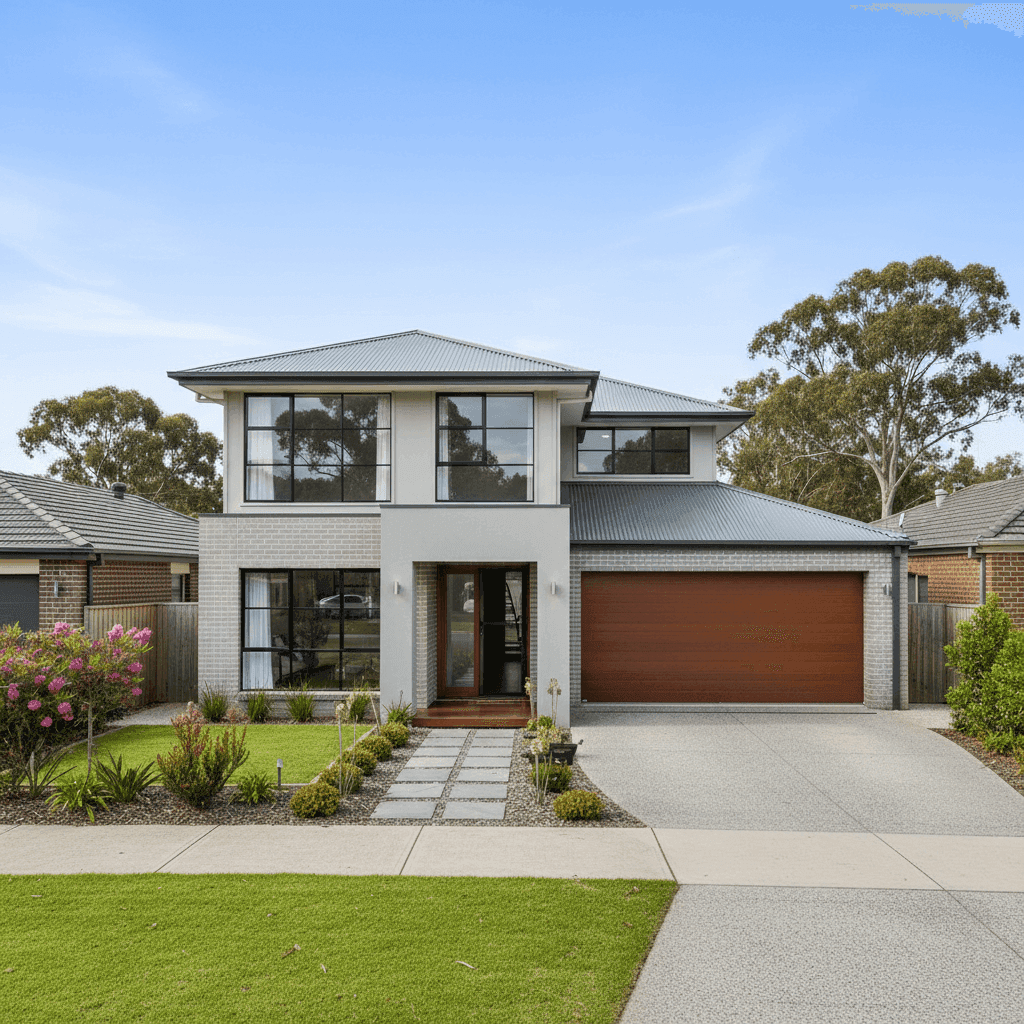
If you own a free standing home in Waterview Heights, NSW 2460, understanding what you should be paying for building insurance is one of the smartest financial moves you can make. Premiums in this part of the Northern Rivers region can vary enormously — and knowing where your quote sits relative to the market could save you hundreds of dollars a year.
This article breaks down a recent building-only insurance quote for a four-bedroom, two-bathroom brick veneer home in Waterview Heights, comparing it against suburb, state, and national benchmarks to help you decide whether you're getting a fair deal.
---
Is This Quote Fair?
The quote in question comes in at $1,061 per year (or roughly $98 per month) for building-only cover on a home with a sum insured of $550,000 and a building excess of $5,000. Our pricing engine rates this as CHEAP — below average for the area.
That's a meaningful label. It means this premium sits well beneath what most comparable homeowners in Waterview Heights are paying. Based on data from 47 quotes collected in the suburb, the suburb average sits at $2,442 per year, and the median is $1,860 per year. Even the 25th percentile — meaning the cheapest quarter of quotes — comes in at $1,555 per year. This quote at $1,061 is comfortably below that threshold, placing it firmly in the most competitive tier available.
For a homeowner on a budget, or simply someone who wants to know they're not overpaying, this is an encouraging result. That said, it's always worth checking what's included in the policy — a low premium occasionally reflects narrower cover or higher excesses, and the $5,000 building excess here is on the higher side. Make sure the policy terms suit your risk appetite before signing on the dotted line.
---
How Waterview Heights Compares
To put this quote into broader context, here's how Waterview Heights premiums stack up against New South Wales and the national average:
| Benchmark | Average Premium | Median Premium |
|---|---|---|
| Waterview Heights (suburb) | $2,442/yr | $1,860/yr |
| New South Wales (state) | $3,801/yr | $3,410/yr |
| Australia (national) | $2,965/yr | $2,716/yr |
A few things stand out here. First, Waterview Heights premiums are notably lower than the NSW state average — by nearly $1,400 per year on a median basis. This suggests the suburb carries a relatively moderate risk profile compared to many other parts of New South Wales, where flood-prone or bushfire-exposed areas can push premiums significantly higher.
Second, the suburb average is also below the national average, which is worth noting given that NSW is one of the more expensive states for home insurance overall. Homeowners in Waterview Heights appear to benefit from a combination of factors — more on those shortly.
It's also worth flagging the Richmond Valley LGA average of $41,437 per year. This figure is dramatically higher and is almost certainly skewed by a small number of high-value or high-risk properties within the LGA pulling the average upward. It's not a useful comparison for a standard residential home and should be disregarded when benchmarking a typical quote.
---
Property Features That Affect Your Premium
Several characteristics of this particular property work in favour of a lower premium:
Brick veneer construction is generally well-regarded by insurers. It offers solid fire resistance and structural durability, which reduces the likelihood of major claims. Compared to weatherboard or lightweight cladding, brick veneer homes tend to attract more competitive rates.
Colorbond steel roofing is another positive. It's durable, low-maintenance, and performs well in both high-wind and high-heat conditions. Insurers tend to view it favourably compared to older tile or corrugated iron roofing, particularly when it comes to storm and hail damage risk.
A concrete slab foundation contributes to structural stability and is less susceptible to subsidence or moisture-related issues than some alternative foundation types, such as stumped or suspended floors.
Constructed in 2025, this is effectively a brand-new home. Modern builds must comply with current Australian building codes, which include improved standards for structural integrity, fire safety, and energy efficiency. Newer homes are statistically less likely to generate claims related to ageing infrastructure, faulty wiring, or deteriorating materials.
Timber and laminate flooring is a standard feature that doesn't significantly impact the building premium (it's more relevant for contents cover), but it does reflect a mid-range finish consistent with the standard fittings quality noted for this property.
The absence of a swimming pool and solar panels simplifies the risk profile slightly. Pools can introduce liability considerations, and solar panel systems — particularly inverters and roof penetrations — can add complexity to claims. Neither factor applies here.
The presence of ducted climate control is worth noting. These systems can be costly to repair or replace and are typically covered under building insurance. Their inclusion in the sum insured is appropriate and may have a modest upward influence on the premium, though clearly not enough to push it outside the cheap range.
---
Tips for Homeowners in Waterview Heights
1. Review your sum insured annually Construction costs have risen sharply across Australia in recent years. A sum insured of $550,000 may be appropriate today, but it's worth reassessing each year — or after any renovations — to ensure it reflects the true cost of rebuilding your home from scratch. Underinsurance is one of the most common and costly mistakes homeowners make.
2. Consider whether building-only cover is right for you If you own the contents of your home (furniture, appliances, clothing, and so on), a building-only policy won't cover those items. Many homeowners in Waterview Heights may benefit from a combined building and contents policy. Get a quote at CoverClub to compare both options side by side.
3. Weigh up your excess carefully The $5,000 building excess on this policy is relatively high. A higher excess generally means a lower premium, but it also means you'll need to cover more out of pocket if you do make a claim. Think about your financial buffer and whether you'd be comfortable meeting that cost in the event of storm damage or another insurable event.
4. Don't assume your renewal is competitive Even if your current premium is below average, insurers frequently adjust pricing at renewal. It's good practice to compare quotes every year — even a small saving compounds significantly over time. Check current suburb benchmarks to stay informed about what others in your area are paying.
---
Compare Your Quote Today
Whether you're reviewing an existing policy or shopping for cover on a new home, CoverClub makes it easy to see how your premium stacks up. With real data from thousands of quotes across Australia, you can benchmark your rate against your suburb, state, and the national average — all in one place.
Get a home insurance quote now and find out if you're paying too much.