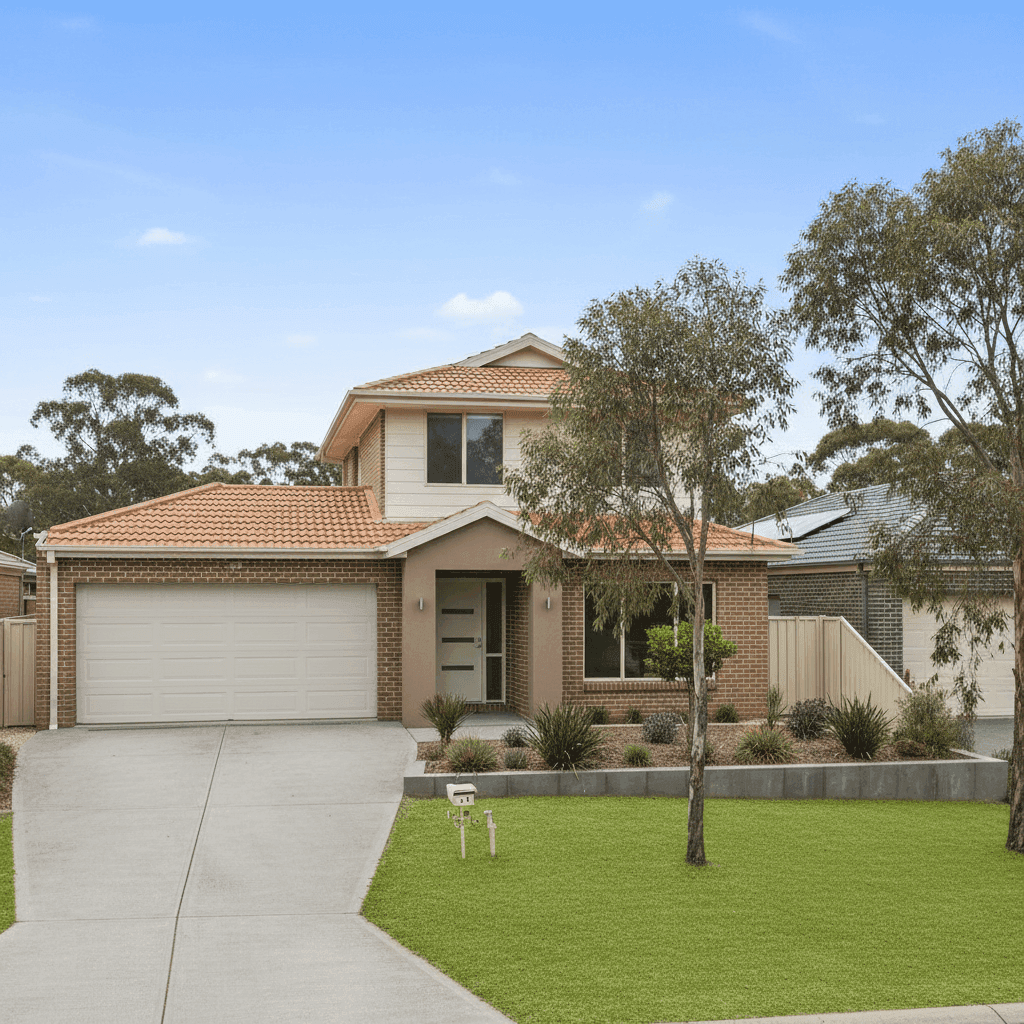
Wattle Grove is a well-established residential suburb in Sydney's south-west, sitting within the Sutherland Shire and known for its quiet streets and family-friendly atmosphere. If you own a free standing home here, you're likely already thinking about how to protect one of your biggest assets — and whether you're getting a fair deal on your home and contents insurance. In this article, we break down a real insurance quote for a 4-bedroom, 2-bathroom brick veneer home in Wattle Grove, and put it into context against local, state, and national benchmarks.
---
Is This Quote Fair?
The quote in question comes to $1,982 per year (or $190/month) for combined home and contents cover, with a building sum insured of $624,000 and contents valued at $180,000. Both the building and contents excess are set at $1,000.
Based on our pricing data, this quote is rated Expensive — above the suburb average. The suburb average for Wattle Grove sits at $1,627 per year, meaning this quote is roughly $355 above what other local homeowners are typically paying. The suburb median is considerably lower at $855 per year, which suggests a significant spread in premiums across the area — likely driven by differences in sum insured, cover type, and individual risk profiles.
That said, context matters. A $624,000 building sum insured is a meaningful figure, and combined home-and-contents policies naturally attract higher premiums than building-only cover. When you factor in the $180,000 contents value, the total insured amount is $804,000 — so the premium, while above average, isn't entirely out of step with the level of cover being provided.
The key question for any homeowner is whether this quote represents the best available price for this level of cover — and that's where comparison becomes essential.
---
How Wattle Grove Compares
Understanding where your premium sits relative to broader benchmarks helps you gauge whether you're being charged a fair rate. Here's how Wattle Grove stacks up:
| Benchmark | Average Premium | Median Premium |
|---|---|---|
| Wattle Grove (2173) | $1,627/yr | $855/yr |
| NSW (State) | $9,528/yr | $3,770/yr |
| Australia (National) | $5,347/yr | $2,764/yr |
| Sutherland LGA | $23,423/yr | — |
At first glance, the NSW and national averages look startlingly high — but these figures are heavily skewed by high-risk properties, large rural holdings, and areas prone to natural disasters like floods and bushfires. The median is generally a more reliable guide for typical suburban homeowners.
On that measure, Wattle Grove's median of $855 per year is well below the national median of $2,764 and the NSW median of $3,770 — suggesting that, broadly speaking, Wattle Grove is a relatively affordable suburb to insure. The $1,982 quote we're analysing sits above the local median, but this is largely attributable to the higher-than-average sum insured and the inclusion of contents cover.
You can explore suburb-level data at our Wattle Grove insurance stats page, compare across NSW here, or browse national benchmarks.
---
Property Features That Affect Your Premium
Insurers don't just look at your postcode — they assess a range of property characteristics to determine risk. Here's how the features of this particular home influence its premium:
Brick Veneer Walls Brick veneer is one of the most common construction types in Australian suburbia and is generally viewed favourably by insurers. It offers solid fire resistance compared to timber-framed or clad homes, which can help keep premiums in check.
Tiled Roof A tiled roof is considered a durable, low-maintenance roofing material. Insurers typically rate tiles positively, as they're resistant to fire and have a long lifespan — though they can be more costly to repair after storm damage compared to metal roofing.
Slab Foundation A concrete slab foundation is standard for homes built in this era and region, and is generally associated with lower subsidence or movement risk compared to pier-and-beam or stumped foundations.
Built in 1998 At around 26 years old, this home is relatively modern by Australian standards. Homes built in the late 1990s typically comply with updated building codes and are less likely to have ageing electrical or plumbing systems that can drive up premiums.
Slightly Elevated (Less Than 1m) The property is noted as being elevated by less than 1 metre. This is a minor factor but can offer marginal flood resilience compared to ground-level slabs, particularly relevant in areas with any surface water drainage concerns.
Ducted Climate Control The presence of ducted air conditioning is factored into contents and building valuations. It's a fixed asset that adds to the replacement cost of the home, contributing to the higher building sum insured.
No Pool, No Solar Panels The absence of a swimming pool removes a significant liability risk factor, and no solar panels means there's no added complexity around electrical system replacement. Both of these simplify the risk profile for insurers.
---
Tips for Homeowners in Wattle Grove
If you're looking to get better value on your home insurance without compromising on cover, here are four practical steps worth considering:
1. Review Your Sum Insured Annually Building costs fluctuate, and being over-insured is just as costly as being under-insured. Use a building cost calculator to verify your rebuild estimate and adjust your sum insured if it no longer reflects current construction costs in south-west Sydney.
2. Consider Raising Your Excess This policy carries a $1,000 excess on both building and contents. If you're comfortable absorbing a higher out-of-pocket cost in the event of a claim, increasing your excess to $1,500 or $2,000 can meaningfully reduce your annual premium.
3. Bundle Building and Contents Thoughtfully Combined home-and-contents policies are convenient, but they're not always the cheapest option. Some insurers offer better rates when you separate the covers or bundle them with other policies (such as car insurance). It's worth getting separate quotes to compare.
4. Shop Around at Renewal Time Loyalty doesn't always pay in insurance. Insurers often offer their best rates to new customers, and premiums can creep up at renewal without a corresponding increase in risk. Make it a habit to compare quotes each year — even if you ultimately stay with your current provider.
---
Compare Your Options with CoverClub
Whether you're renewing an existing policy or insuring a property for the first time, it pays to shop around. CoverClub makes it easy to compare home and contents insurance quotes across multiple providers in minutes. Get a quote today and find out if you could be paying less for the same level of cover — or getting more cover for what you're already paying.