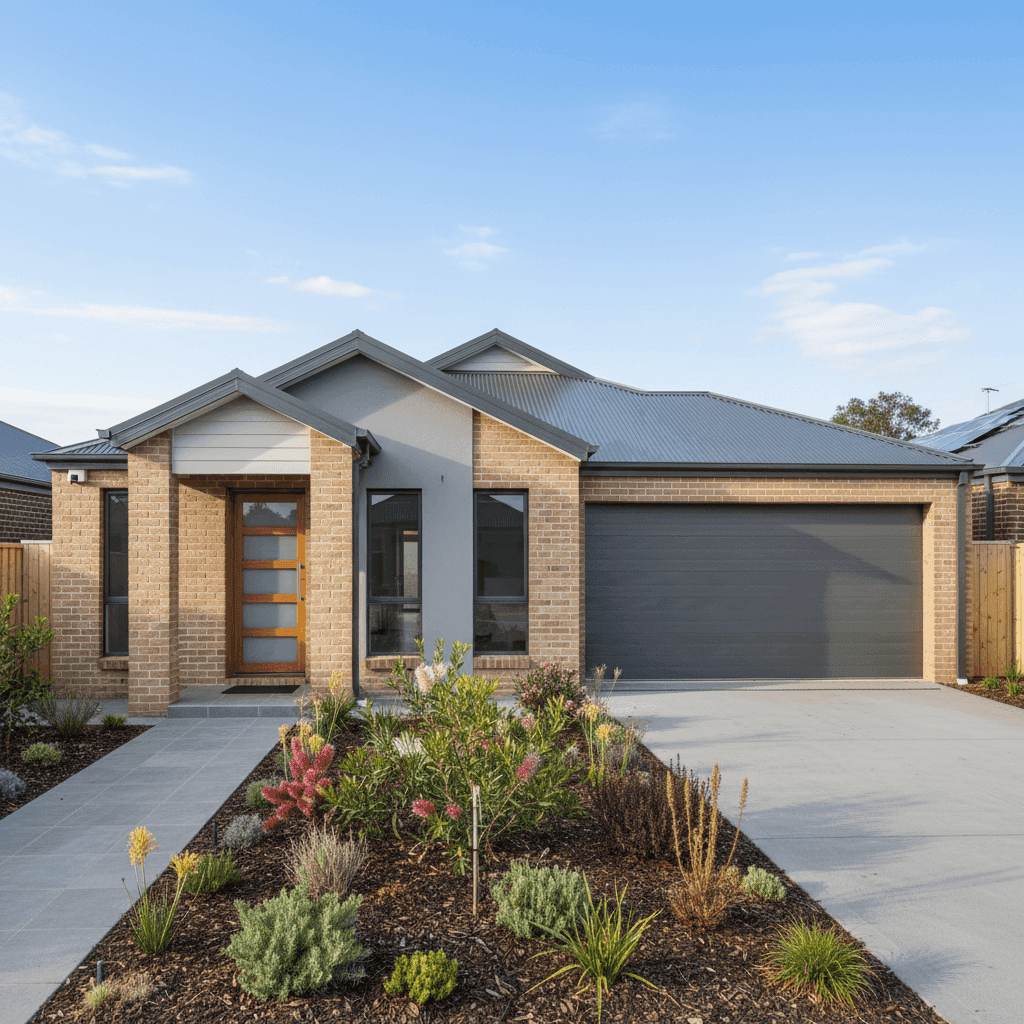
Wattle Grove is a well-established suburb in Perth's eastern corridor, known for its family-friendly streets, quality housing stock, and proximity to the Darling Range. If you own a free standing home here, you're likely sitting on a solid investment — and making sure it's properly protected is just as important as the mortgage that helped you buy it. This article breaks down a real building insurance quote for a four-bedroom, two-bathroom home in Wattle Grove (postcode 6107) and puts the numbers into context so you can judge whether you're getting a fair deal.
---
Is This Quote Fair?
The quote in question comes in at $2,404 per year (or $230 per month) for building-only cover, with a $1,000 building excess and a sum insured of $807,000. Based on CoverClub's pricing data, this quote is rated Expensive — Above Average for the area.
To understand why, it helps to look at where this figure sits relative to what other homeowners in Wattle Grove are paying. The suburb average annual premium is $1,469, while the median sits lower still at $1,239. That means this particular quote is running roughly 64% above the suburb average and nearly double the median. Even at the 75th percentile — meaning only one in four quotes in the suburb are more expensive — the benchmark is $1,887, which is still well below $2,404.
That said, "expensive" doesn't necessarily mean "wrong." A higher sum insured, above-average fittings, and specific property characteristics can all legitimately push a premium upward. The key is knowing whether the price reflects your actual risk profile — or whether there's room to shop around.
---
How Wattle Grove Compares
Putting this quote in a broader context helps clarify the picture. Here's how the numbers stack up across different geographic levels:
| Benchmark | Average Premium | Median Premium |
|---|---|---|
| Wattle Grove (6107) | $1,469/yr | $1,239/yr |
| LGA (Kalamunda) | $1,793/yr | — |
| Western Australia | $2,811/yr | $2,127/yr |
| National | $5,347/yr | $2,764/yr |
A few things stand out immediately. First, Wattle Grove premiums are notably lower than the WA state average — suggesting the suburb enjoys relatively favourable risk conditions compared to many other parts of the state. Second, when you zoom out to a national comparison, WA premiums look much more reasonable, with the national average sitting at a steep $5,347 — driven largely by high-risk regions in Queensland and Northern Australia.
Interestingly, this quote at $2,404 actually sits below the WA state average of $2,811, which means it's not outlandish in a statewide context. The "expensive" rating is relative to Wattle Grove specifically, where premiums tend to be lower than the WA norm. You can explore the full WA state insurance data or dig into Wattle Grove suburb stats to see how your own property compares.
It's also worth noting the suburb sample size here is 12 quotes — a reasonably small dataset, which means averages can shift as more data comes in. Treat these benchmarks as useful guides rather than absolute rules.
---
Property Features That Affect Your Premium
Every insurer prices risk differently, but certain property characteristics consistently influence what you'll pay. Here's how this home's features likely factor in:
Double Brick Construction Double brick is generally viewed favourably by insurers. It's durable, fire-resistant, and holds up well in storms. Homes with double brick walls often attract lower risk ratings than those built with timber or lightweight cladding — which is a genuine advantage for this property.
Steel/Colorbond Roof Colorbond roofing is another tick in the right column. It's lightweight, corrosion-resistant, and performs well in high-wind conditions. Unlike older terracotta or concrete tiles, Colorbond doesn't crack or dislodge as easily during storms, which reduces the likelihood of weather-related claims.
Slab Foundation A concrete slab foundation is standard for homes of this era in WA and is generally considered low-risk by insurers. There's no subfloor cavity to worry about, and slab homes tend to be structurally stable.
Above-Average Fittings This is where premiums can climb. Above-average fittings — think stone benchtops, quality cabinetry, premium appliances, and higher-end fixtures — increase the cost to rebuild or repair. A $807,000 sum insured on a 214 sqm home reflects a higher per-square-metre rebuild cost, and insurers price accordingly.
Ducted Climate Control Ducted air conditioning systems add to the replacement value of a home and can also represent a claims risk if the system is damaged by storm, fire, or electrical fault. This is a minor but real factor in premium calculations.
No Pool or Solar Panels The absence of a pool removes a significant liability and maintenance risk from the equation. Similarly, no solar panels means no added complexity around electrical systems or roof penetrations — both of which can contribute to claims.
Construction Year: 2005 A home built in 2005 is relatively modern and would have been constructed to building codes that reflect improved cyclone, fire, and structural standards compared to older stock. This generally works in the homeowner's favour.
---
Tips for Homeowners in Wattle Grove
If you're looking to make sure your building insurance is working as hard as it should, here are four practical steps worth considering:
- Review your sum insured annually. Building costs in Perth have risen significantly in recent years. Make sure your $807,000 sum insured still reflects the actual cost to rebuild — not just the market value of the land and structure. Underinsurance is one of the most common and costly mistakes homeowners make.
- Compare quotes before renewal. Loyalty doesn't always pay in insurance. With this quote sitting above the Wattle Grove suburb average, it's worth running a comparison to see what other insurers would charge for the same level of cover. Even saving $300–$500 a year adds up quickly.
- Ask about excess trade-offs. The current excess is set at $1,000. In some cases, opting for a higher excess (say, $1,500 or $2,000) can meaningfully reduce your annual premium — particularly if you're unlikely to make small claims anyway.
- Document your fittings and inclusions. Given the above-average fittings in this home, keep a photographic record and receipts for major fixtures. In the event of a claim, this documentation can make a significant difference in what you recover.
---
Compare Your Options with CoverClub
Whether this quote looks right for your situation or you suspect there's a better deal out there, the smartest move is to compare. CoverClub makes it easy to see what multiple insurers would charge for your specific property — so you're not leaving money on the table at renewal time. Get a building insurance quote today and find out where your premium really sits.