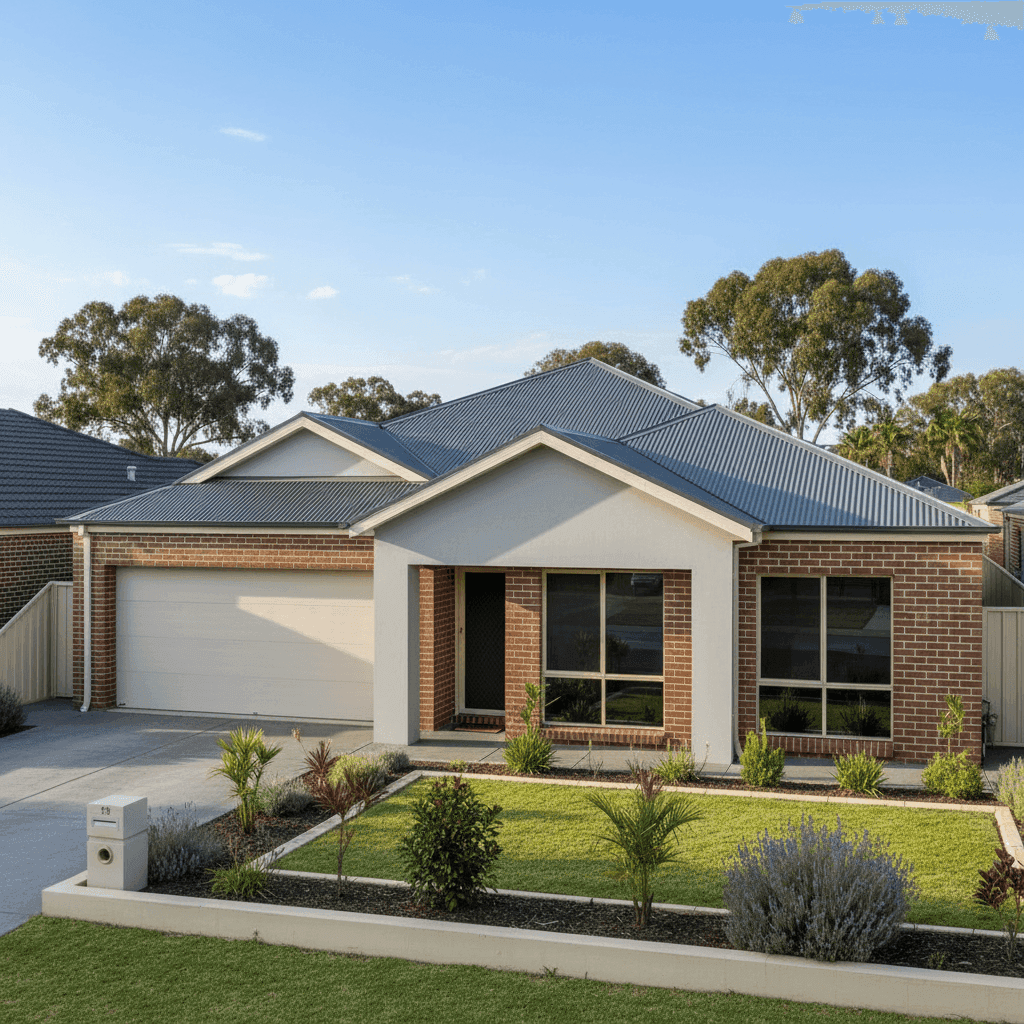
If you own a free standing home in Wattle Grove, WA 6107, you've likely noticed that home insurance premiums can vary significantly — even between neighbouring streets. This article breaks down a real building insurance quote for a four-bedroom property in the suburb, compares it against local, state, and national benchmarks, and offers practical tips to help you get better value on your cover.
---
Is This Quote Fair?
The quote in question sits at $2,274 per year (or $218/month) for building-only cover, with a $1,000 building excess and a sum insured of $702,000. Our price rating for this quote is Expensive — above average for the Wattle Grove area.
To put that in perspective, the suburb average premium sits at just $1,469/yr, and the median is even lower at $1,239/yr. This quote lands well above the 75th percentile for the suburb ($1,887/yr), meaning it's more expensive than at least three-quarters of comparable quotes we've seen in the area. That's a meaningful gap worth investigating before simply accepting the renewal or initial offer.
That said, "expensive" doesn't automatically mean "wrong." The sum insured of $702,000 is substantial, and the property's features — including above-average fittings and ducted climate control — can legitimately push premiums higher. The key question is whether the price reflects genuine risk and replacement cost factors, or whether a comparable policy could be sourced at a lower price point.
---
How Wattle Grove Compares
Understanding where your premium sits relative to broader markets gives you real negotiating power. Here's how this quote stacks up:
| Benchmark | Premium |
|---|---|
| This quote | $2,274/yr |
| Wattle Grove suburb average | $1,469/yr |
| Wattle Grove suburb median | $1,239/yr |
| Wattle Grove 75th percentile | $1,887/yr |
| Kalamunda LGA average | $1,793/yr |
| WA state average | $2,811/yr |
| WA state median | $2,127/yr |
| National average | $5,347/yr |
| National median | $2,764/yr |
Interestingly, while this quote is expensive relative to the suburb, it actually sits below both the WA state average and the national average. Western Australia's state average of $2,811/yr reflects the broader cost pressures facing homeowners across the state, particularly in areas exposed to cyclone risk, bushfire zones, or coastal flooding — none of which apply here in Wattle Grove.
Nationally, the picture is even more dramatic. The national average premium of $5,347/yr is driven up significantly by high-risk regions in Queensland, northern WA, and parts of New South Wales. By comparison, Wattle Grove homeowners are in a relatively favourable position overall.
You can explore how this suburb's premiums track over time and compare insurer pricing at the Wattle Grove suburb stats page, or browse the broader WA state insurance data for wider context.
---
Property Features That Affect Your Premium
Several characteristics of this property directly influence what insurers charge. Understanding them helps you anticipate your costs — and potentially challenge a quote that seems out of step.
Double brick construction is generally viewed favourably by insurers. It's robust, fire-resistant, and less susceptible to storm damage than timber-framed or clad alternatives. All else being equal, double brick homes tend to attract lower premiums than lighter construction types.
Colorbond steel roofing is another positive signal for insurers. It's durable, low-maintenance, and performs well in high winds. In a non-cyclone area like Wattle Grove, this is a solid combination with double brick walls.
Slab foundation is standard for Perth metro builds of this era and presents no unusual risk factors. Similarly, tile flooring throughout the home is considered a lower-risk finish compared to carpet or timber, particularly from a water damage perspective.
Above-average fittings quality is one factor that can meaningfully push premiums upward. Kitchens and bathrooms with premium fixtures, stone benchtops, or high-end appliances cost significantly more to repair or replace after a claim. Insurers price this in, which is reflected in a higher sum insured and, consequently, a higher premium.
Ducted climate control adds to the replacement value of the home. These systems are expensive to install and are factored into the building sum insured calculation. With a 214 sqm home built in 2005, a sum insured of $702,000 appears reasonable given current construction costs in Perth.
The absence of a pool and solar panels simplifies the risk profile slightly — both can add complexity and cost to a policy.
---
Tips for Homeowners in Wattle Grove
1. Shop around — seriously The gap between this quote ($2,274/yr) and the suburb median ($1,239/yr) is over $1,000 per year. That's not a rounding error — it's a meaningful difference that could reflect insurer pricing variation rather than genuine risk differences. Getting multiple quotes from different insurers is the single most effective way to reduce your premium without changing your cover.
2. Review your sum insured carefully Underinsurance is a real risk, but overinsurance quietly inflates your premium. Use a building cost calculator or speak to a quantity surveyor to confirm that $702,000 accurately reflects your home's rebuild cost (not its market value). In Perth's current construction market, costs have risen sharply, so it's worth revisiting this figure annually.
3. Consider your excess level A $1,000 excess is fairly standard, but opting for a higher excess (say, $2,000 or $2,500) can noticeably reduce your annual premium. If you have the financial buffer to cover a larger out-of-pocket cost in the event of a claim, this trade-off often makes sense.
4. Ask about loyalty discounts — or leave Insurers frequently offer better pricing to new customers than to existing ones. If you've been with the same insurer for several years without reviewing your policy, there's a reasonable chance you're paying a loyalty premium. Comparing your renewal quote against fresh market quotes each year keeps insurers honest.
---
Compare Your Options with CoverClub
Whether this quote is the right fit depends on your full coverage needs, your insurer's claims reputation, and what else is available in the market. CoverClub makes it easy to see how your premium stacks up and explore alternatives — no obligation, no jargon.