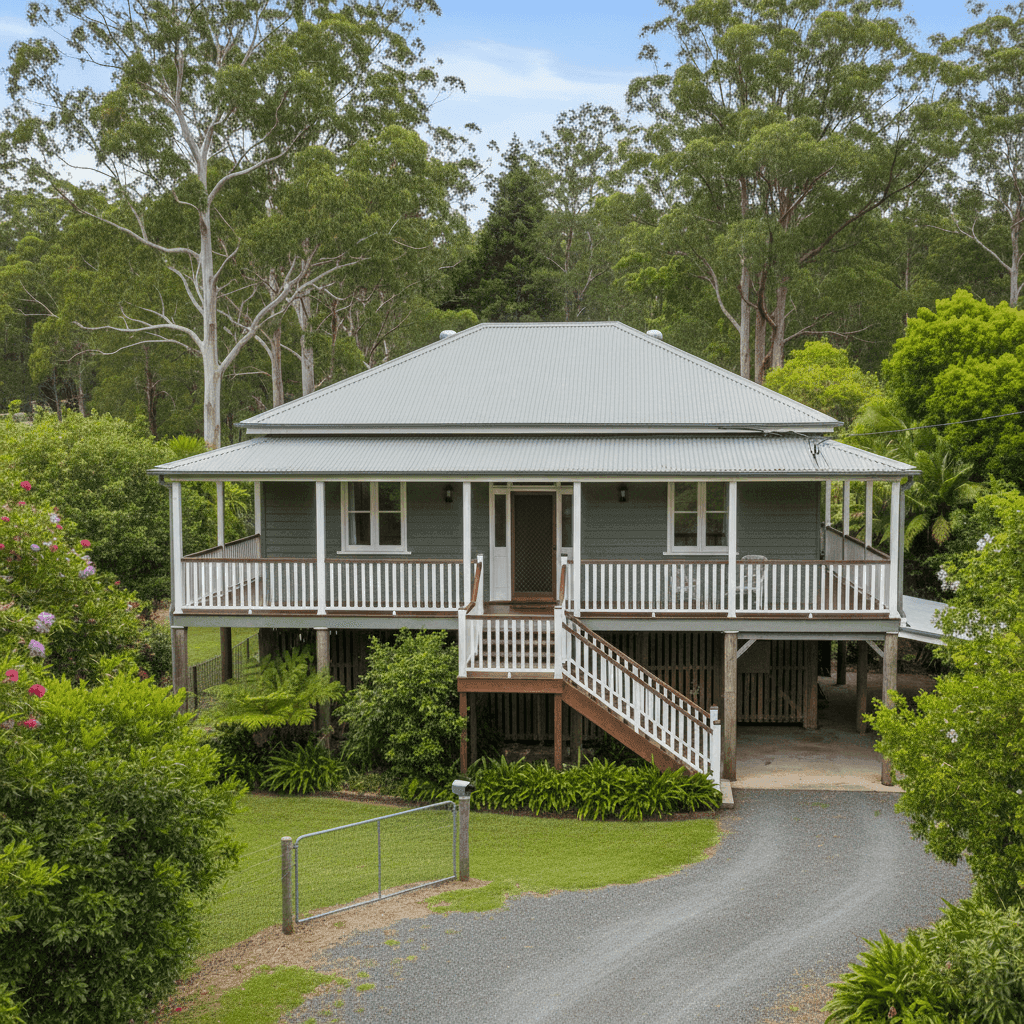
If you own a home in Waukivory, NSW 2422, you may be wondering whether your home insurance premium is competitive — or whether you're paying more than you should. In this article, we analyse a real home and contents insurance quote for a three-bedroom, free-standing home in Waukivory, breaking down how the price stacks up against local, state, and national benchmarks, and what property features are likely driving the cost.
---
Is This Quote Fair?
The annual premium for this property came in at $4,743 per year (or $476/month), covering both building and contents with a building sum insured of $682,000 and contents valued at $50,000.
Our price rating for this quote is CHEAP — below average — which is genuinely good news for the homeowner. While $4,743 might feel like a significant outlay, it sits well below the NSW state average of $9,528 per year, meaning this policyholder is paying roughly half what many NSW homeowners are forking out annually. Compared to the national average of $5,347, the quote also comes in under — a solid result.
The excess structure is worth noting: a $2,500 building excess and a $500 contents excess. The higher building excess is a common trade-off that helps keep premiums lower. As long as you're comfortable covering that amount out of pocket in the event of a significant claim, this structure can make good financial sense.
Overall, this quote represents strong value in the current market — particularly for a regional NSW property with a number of characteristics that could easily push premiums higher.
---
How Waukivory Compares
Understanding where your premium sits relative to others is key to knowing whether you're getting a fair deal. Here's how this quote compares across different benchmarks:
| Benchmark | Annual Premium |
|---|---|
| This Quote | $4,743 |
| LGA (Walcha) Average | $2,935 |
| NSW State Median | $3,770 |
| NSW State Average | $9,528 |
| National Median | $2,764 |
| National Average | $5,347 |
It's worth unpacking these numbers. The NSW state average of $9,528 is significantly higher than the median of $3,770 — a gap that suggests a relatively small number of very high-risk or high-value properties are pulling the average upward. The national average tells a similar story.
The LGA average for Walcha sits at $2,935, which is notably lower than this quote. This likely reflects the mix of property types, sizes, and sum insured values across the LGA — many of which may be insured for considerably less than $682,000. Given the building size of 139 sqm and the specific construction features of this home, the premium is reasonable in context.
You can explore more localised data for this postcode on the Waukivory suburb stats page.
---
Property Features That Affect Your Premium
Several characteristics of this property will have influenced how insurers assessed and priced the risk. Here's a breakdown of the key factors:
Weatherboard Timber Walls
Weatherboard timber construction is one of the most common wall types in older Australian homes, but it does carry a higher fire risk compared to brick or rendered masonry. Insurers typically factor this in when calculating premiums, particularly in regional areas where fire weather can be more extreme.
Steel/Colorbond Roof
On the positive side, a Colorbond steel roof is generally viewed favourably by insurers. It's durable, low-maintenance, and performs well in both high-wind and bushfire-prone conditions. This may have helped moderate the premium somewhat.
Pole/Stump Foundation — Elevated by at Least 1 Metre
This is one of the more significant risk factors for this property. Elevated homes on pole or stump foundations — common in regional NSW and Queensland-influenced building styles — can be more vulnerable to storm and wind damage. However, elevation also offers protection from ground-level flooding, which is a genuine trade-off. Insurers weigh both sides, and the net effect on the premium will depend on the insurer's specific risk model.
Built in 1983
At over 40 years old, this home is approaching a stage where ageing systems — plumbing, electrical wiring, and roofing — can become more prone to failure. Some insurers apply age-related loading to older homes, though this varies considerably between providers.
Timber/Laminate Flooring
Timber floors can be susceptible to water damage, which may be a minor factor in premium calculations. They can also be costly to repair or replace if damaged in a flood or burst pipe event.
Ducted Climate Control
The presence of ducted climate control adds to the overall replacement cost of the home, which is reflected in the building sum insured. It's a feature that increases rebuild cost and is appropriately factored into the $682,000 sum insured.
---
Tips for Homeowners in Waukivory
Whether you're reviewing an existing policy or shopping for the first time, here are some practical steps to make sure you're getting the best outcome:
- Review your sum insured annually. Building costs in regional NSW have risen sharply in recent years. Make sure your $682,000 sum insured still reflects the true cost of rebuilding your home — not just its market value. Underinsurance is a common and costly mistake.
- Consider your excess carefully. A $2,500 building excess is on the higher end. If you have the savings to cover this comfortably in a claim scenario, it's a smart way to keep premiums down. If not, it may be worth comparing quotes with a lower excess to find the right balance.
- Maintain your weatherboard cladding. Timber walls require regular upkeep — painting, sealing, and checking for rot or termite damage. Well-maintained weatherboard can reduce the likelihood of a claim and may also support a better outcome when renewing your policy.
- Compare quotes before renewal. Even if you're happy with your current insurer, the home insurance market shifts regularly. Running a comparison at renewal time takes only a few minutes and could save you hundreds — or more — each year.
---
Ready to Compare?
Whether this quote is for your home or you're simply curious about what you should be paying, CoverClub makes it easy to compare home and contents insurance from a range of Australian insurers. Get a quote today and see how your premium measures up — you might be surprised at what's available.