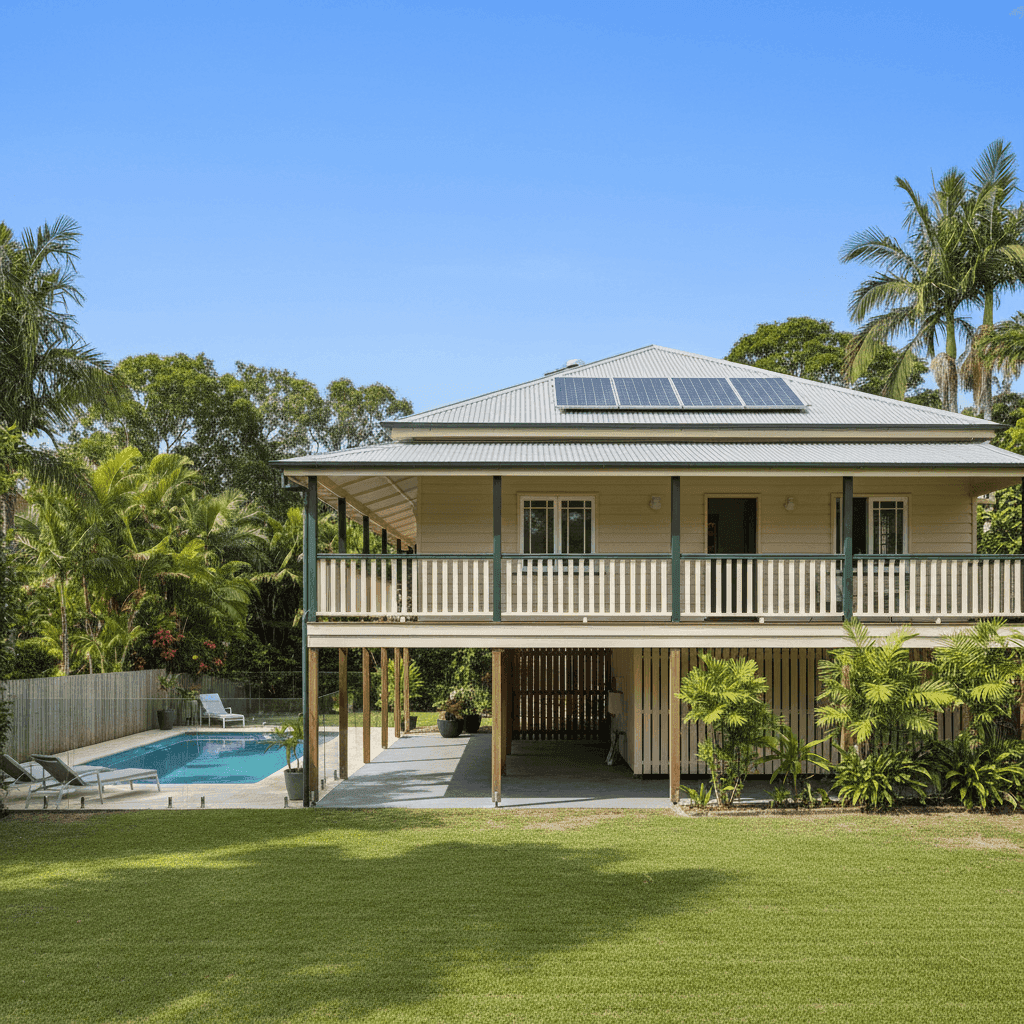
Getting a home insurance quote in Far North Queensland can feel like a gamble — premiums vary wildly depending on where you live, what your home is made of, and what natural hazards lurk nearby. This article breaks down a real home and contents insurance quote for a four-bedroom free standing home in Webb, QLD 4860, and puts the numbers in context so you can decide whether you're getting a fair deal.
---
Is This Quote Fair?
The annual premium for this property came in at $7,452 per year (or $714/month), covering a building sum insured of $410,000 and contents valued at $78,000. The building excess is $2,000 and the contents excess is $1,000.
Our price rating for this quote is CHEAP — below average — which is genuinely good news for a homeowner in this part of Queensland.
To put that in perspective:
- The [QLD state average](https://coverclub.com.au/stats/QLD) for home and contents insurance sits at $9,129/yr, with a median of $3,903/yr.
- The [national average](https://coverclub.com.au/stats/national) is $5,347/yr, with a median of $2,764/yr.
- The Tablelands LGA average is a notably higher $18,083/yr.
At $7,452/yr, this quote sits above the QLD and national medians — but well below the state average and significantly below the Tablelands LGA average. Given the elevated risk profile of this area (more on that below), landing below the LGA average by more than $10,000 is a strong outcome.
---
How Webb Compares
Webb is a small locality in the Tablelands region of Far North Queensland, and the insurance data reflects just how variable pricing can be in this pocket of the state. Based on a sample of nine quotes for the Webb QLD 4860 area:
| Benchmark | Annual Premium |
|---|---|
| This quote | $7,452 |
| Suburb 25th percentile | $15,955 |
| Suburb median | $31,280 |
| Suburb 75th percentile | $38,552 |
| Suburb average | $110,624 |
| Tablelands LGA average | $18,083 |
| QLD state average | $9,129 |
| National average | $5,347 |
The suburb-level figures are striking. A median of $31,280/yr and an average of $110,624/yr — driven upward by extreme outliers — paint a picture of a market where insurers price in serious risk. The fact that this particular quote comes in at less than a quarter of the suburb median is remarkable.
It's worth noting that the small sample size of nine quotes means the suburb average is heavily influenced by a handful of very high-priced policies. Still, even the 25th percentile sits at $15,955/yr — more than double this quote. That makes this result genuinely competitive for the area.
---
Property Features That Affect Your Premium
Several characteristics of this property directly influence what insurers charge — for better and for worse.
🌀 Cyclone Risk Area
Webb falls within a designated cyclone risk zone, which is one of the most significant premium drivers in Far North Queensland. Insurers factor in the cost of potential cyclone damage when pricing policies in these regions, which is why suburb-level premiums in the Tablelands can be so much higher than the national norm.
🏠 Weatherboard Timber Construction
The external walls are weatherboard wood — a traditional building material that's common in older Queensland homes but considered higher risk by insurers than brick or rendered masonry. Timber is more susceptible to fire, termite damage, and wind events, all of which can push premiums up.
🏗️ Elevated on Stumps
This home is elevated by at least one metre on stumps — a classic Queenslander design that actually works in the homeowner's favour from a flood-risk perspective. Raised foundations reduce the likelihood of inundation damage, which can meaningfully lower premiums in areas prone to heavy rainfall and flooding.
☀️ Solar Panels
With solar panels installed, the homeowner needs to ensure these are included in the building sum insured. Solar systems can be costly to repair or replace after storm or hail damage, and not all policies automatically cover them — it's worth checking the Product Disclosure Statement (PDS) carefully.
🏊 Swimming Pool
A pool adds value to the property but also increases the replacement cost. Pool equipment, fencing, and surrounds should all be factored into the building sum insured to avoid being underinsured in the event of a total loss.
🔩 Steel/Colorbond Roof
Colorbond roofing is generally well-regarded by insurers — it's durable, lightweight, and performs reasonably well in high-wind conditions compared to terracotta or concrete tiles. This is a mild positive for the premium.
📅 Built in 1996
At nearly 30 years old, this home sits in a middle ground for age-related risk. It's old enough that some systems (plumbing, electrical) may be ageing, but not so old that it pre-dates modern building codes. Insurers may factor this into their assessment.
---
Tips for Homeowners in Webb
1. Review your sum insured annually Construction costs in regional Queensland have risen sharply in recent years. A building insured for $410,000 today may cost significantly more to rebuild in two or three years. Use a building cost calculator or speak to a local builder to make sure you're not underinsured — especially with a pool and solar panels to account for.
2. Check your cyclone-specific cover In a cyclone risk area, it's essential to understand exactly what your policy covers. Some policies include a separate cyclone excess, or may exclude certain types of wind damage. Read the PDS thoroughly and ask your insurer directly if you're unsure.
3. Confirm solar panel coverage Solar panels are sometimes covered as part of the building, but not always. Confirm with your insurer whether your system is included in the building sum insured, and whether storm and hail damage is covered. Given the weather events common to Far North QLD, this is not a detail to overlook.
4. Compare quotes before renewal This quote is priced well below the suburb median — but that doesn't mean it's the best available. Insurance markets shift, and the gap between insurers in high-risk areas can be enormous. Make it a habit to compare quotes at CoverClub each year at renewal time to ensure you're not leaving money on the table.
---
Ready to Compare Your Own Quote?
Whether you're a first-time buyer or a long-time homeowner in Webb, comparing insurance quotes is one of the simplest ways to protect your finances. Premiums in the Tablelands region vary dramatically — as this data makes clear — so shopping around genuinely pays off.
Get a home insurance quote at CoverClub and see how your premium stacks up against suburb, state, and national benchmarks in seconds.