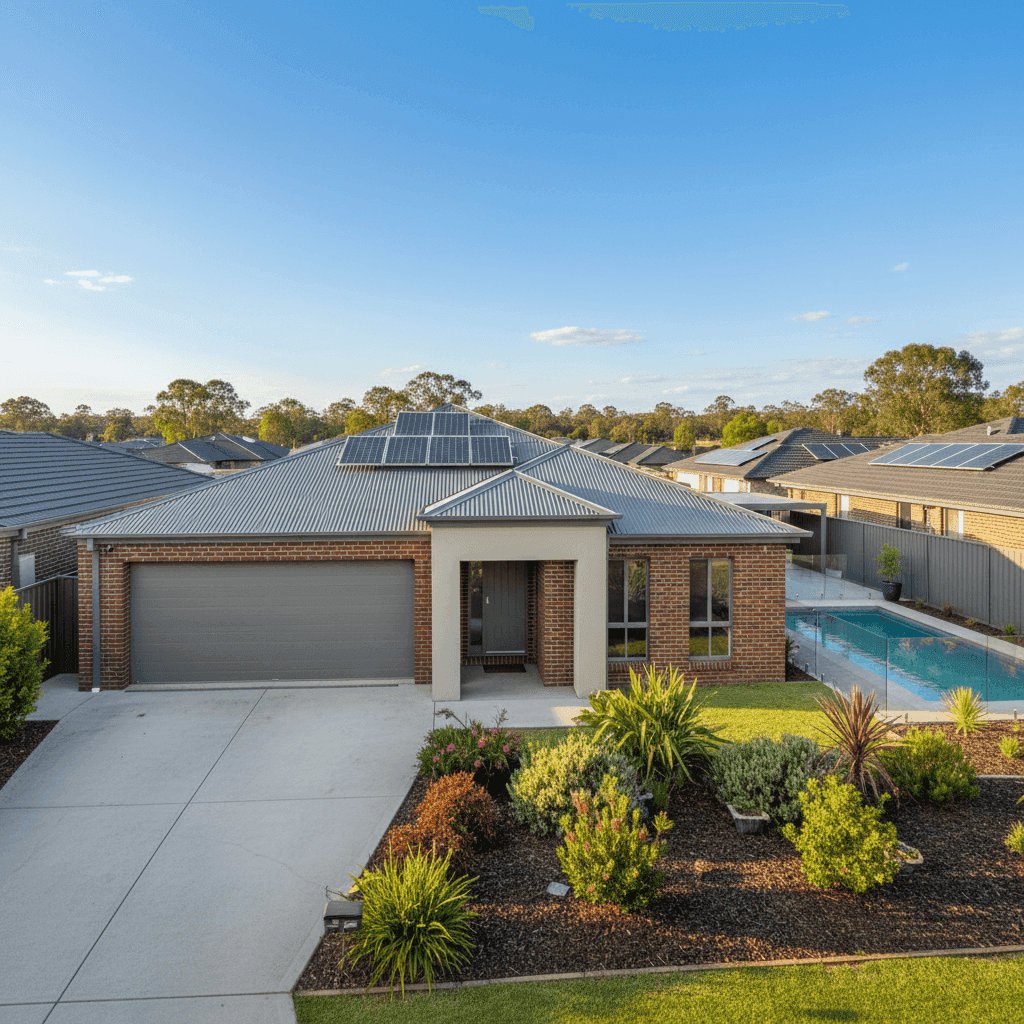
Wedderburn is a quiet residential locality on the southern fringe of Sydney, sitting within the Campbelltown area of New South Wales. For owners of a free standing home here, securing the right home and contents insurance is an important financial decision — and the numbers behind any quote deserve a closer look. This article breaks down a recent insurance quote for a three-bedroom, three-bathroom brick veneer home in Wedderburn (postcode 2560), helping you understand whether the price stacks up and what factors are shaping it.
---
Is This Quote Fair?
The quote in question comes in at $4,100 per year (or $422 per month) for combined home and contents cover, with a building sum insured of $750,000 and contents valued at $213,000. Our price rating for this quote is CHEAP — below average — and the data backs that up convincingly.
To put it plainly: this is a strong result. The building excess sits at $4,000 and the contents excess at $2,000, which are on the higher side and do contribute to keeping the premium lower. That's a trade-off worth being aware of — if you ever need to make a claim, you'll be covering more out of pocket before the insurer steps in. Still, for homeowners who haven't claimed in years and are more focused on catastrophic loss protection, a higher excess in exchange for a lower annual premium is often a sensible strategy.
---
How Wedderburn Compares
The pricing context here is quite striking. According to data from Wedderburn suburb insurance statistics, the suburb average premium is $7,260 per year, with a median of $6,357. Even at the 25th percentile — meaning only one in four quotes is cheaper — the suburb figure sits at $5,447. This quote, at $4,100, comes in well below even that lowest benchmark.
Here's a quick snapshot of how the numbers compare:
| Benchmark | Premium |
|---|---|
| This quote | $4,100/yr |
| Suburb 25th percentile | $5,447/yr |
| Suburb median | $6,357/yr |
| Suburb average | $7,260/yr |
| LGA (Wollongong) average | $2,751/yr |
| NSW average | $9,528/yr |
| National average | $5,347/yr |
It's worth noting that the NSW state average of $9,528 is substantially higher than this quote, though the NSW median of $3,770 tells a more nuanced story — a small number of very high-risk or high-value properties can pull the average upward significantly. Nationally, the average home insurance premium sits at $5,347, with a median of $2,764. The LGA average for Wollongong is notably lower at $2,751, which may reflect a different mix of property types and risk profiles across that broader area.
The bottom line: at $4,100, this quote is performing well against almost every relevant benchmark.
---
Property Features That Affect Your Premium
Several characteristics of this property work in the homeowner's favour from an insurance pricing perspective — and a couple deserve attention as potential risk factors.
Brick veneer construction is generally viewed favourably by insurers. It offers solid fire resistance and structural durability compared to weatherboard or fibre cement, which can translate into more competitive premiums.
Steel/Colorbond roofing is another positive. Colorbond is lightweight, resistant to corrosion, and performs well in Australian weather conditions. It's considered a lower-risk roofing material compared to older terracotta or concrete tiles, which can crack or fail under impact.
Slab foundation is standard for homes built in this era and region, offering stability and reducing the risk of subsidence-related claims. Combined with tile flooring, this is a property profile that insurers tend to price conservatively.
The home was built in 1995, placing it in a relatively modern bracket. Homes from this era typically have updated electrical and plumbing systems compared to pre-1980s construction, reducing the likelihood of certain claim types.
On the features side, the presence of a swimming pool adds a layer of liability risk and can nudge premiums upward — pools require specific coverage considerations, particularly around public liability. Solar panels are another feature that insurers factor in; they add to the replacement value of the home and can be vulnerable to storm or hail damage, so it's important to confirm they're explicitly covered under the building policy.
Ducted climate control is a high-value fixture that contributes to the above-average fittings quality rating. This is reflected in the building sum insured and is appropriate — ducted systems are expensive to replace and should be covered under the building component of the policy.
At 139 sqm, this is a modestly sized home for a three-bedroom, three-bathroom layout, which likely helps keep the rebuild cost — and therefore the premium — more manageable than a larger dwelling with the same features.
---
Tips for Homeowners in Wedderburn
1. Review your excess settings annually. The $4,000 building excess and $2,000 contents excess are contributing to the competitive premium, but they're not set in stone. As your financial situation changes, it's worth modelling what a lower excess would cost in additional premium — sometimes the difference is smaller than you'd expect, and having a lower out-of-pocket cost at claim time can be valuable.
2. Confirm your solar panels and pool are explicitly covered. Not all standard policies automatically cover solar panel systems or swimming pools without specific inclusions. Check your Product Disclosure Statement (PDS) carefully to ensure both are listed, and that the replacement value of your solar system is factored into your sum insured.
3. Keep your sum insured up to date. With a building sum insured of $750,000, it's important to revisit this figure each year. Construction costs in NSW have risen significantly in recent years, and being underinsured — even by 10 or 20 per cent — can leave you significantly out of pocket after a major event. Use a building cost calculator or speak to a quantity surveyor if you're unsure.
4. Compare quotes at renewal, not just when you first buy. Insurance markets shift, and the quote that was best value two years ago may not be today. Even if you're happy with your current insurer, running a comparison at renewal takes only a few minutes and could reveal meaningful savings — or confirm you're already on a great deal.
---
Ready to Compare?
Whether you're reviewing your current policy or shopping for the first time, comparing multiple quotes is the single most effective way to make sure you're not overpaying. Get a home insurance quote at CoverClub and see how your premium stacks up against suburb, state, and national benchmarks — in minutes, not hours.