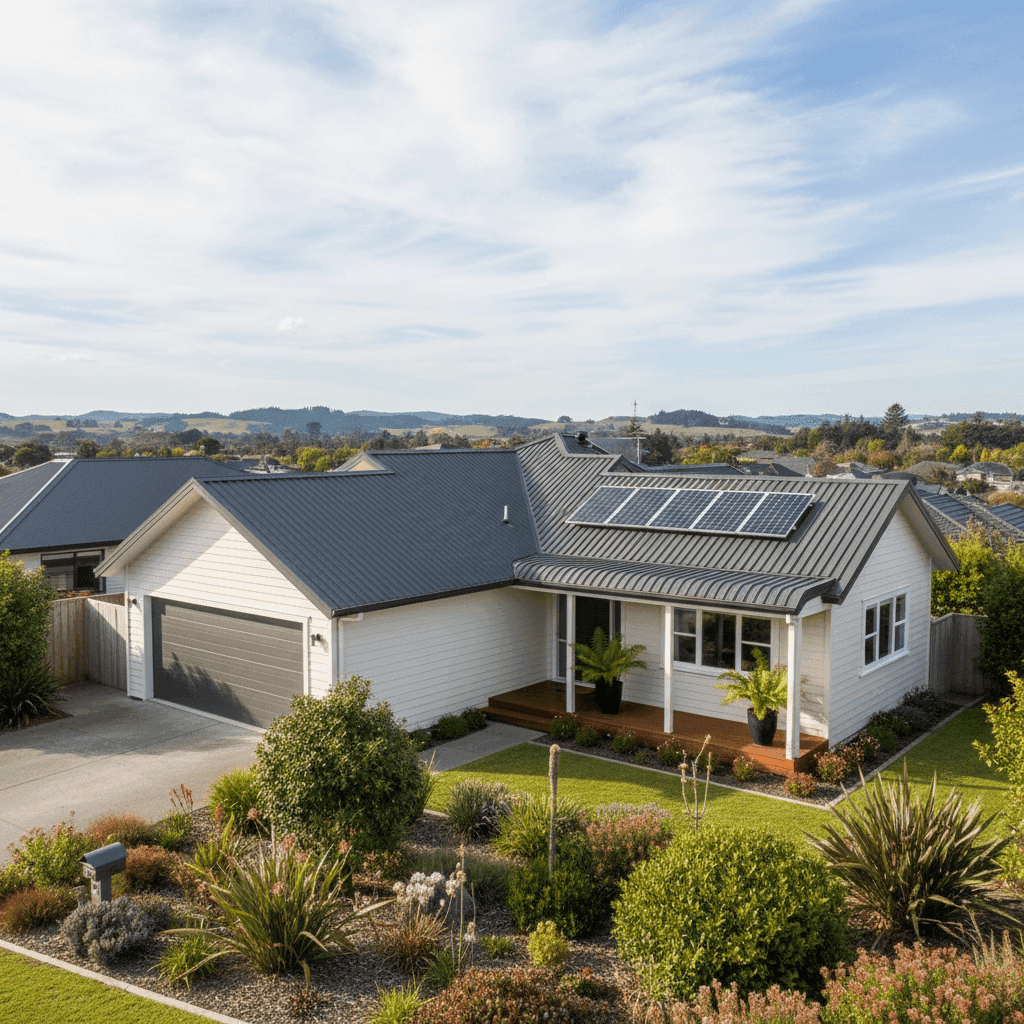
Wellington is a charming regional town in the Central West of New South Wales, sitting about 350 kilometres from Sydney in the Dubbo Regional Council area. It's a community known for its agricultural roots, the spectacular Wellington Caves, and a relaxed country lifestyle. For homeowners here, protecting a property is just as important as anywhere else in Australia — and understanding what you should expect to pay for home insurance is a great place to start.
This article breaks down a real home and contents insurance quote for a four-bedroom, free-standing home in Wellington NSW 2820, and puts it in context against local, state, and national benchmarks.
---
Is This Quote Fair?
The short answer: yes — and then some. This quote came in at $1,052 per year (or roughly $104 per month), which earns a "Cheap" price rating — meaning it sits well below the average for the area.
To put that in perspective, the suburb average for Wellington (2820) sits at $2,416 per year, with a median of $2,439 across 55 quotes collected in the area. That means this particular quote is less than half the suburb average — a remarkable result for a four-bedroom home with both building ($463,000) and contents ($50,000) cover included.
Even compared to the suburb's 25th percentile — meaning the cheapest quarter of quotes — this result at $1,052 still undercuts the $1,727 benchmark. In other words, this quote isn't just cheap for Wellington; it's among the most competitive quotes available anywhere in the suburb's dataset.
The building excess is set at $3,000 and contents excess at $1,000, which are on the higher side and will have contributed to bringing the premium down. It's worth keeping this trade-off in mind: a lower premium means more out-of-pocket costs if you ever need to make a claim.
---
How Wellington Compares
Wellington homeowners generally enjoy more affordable insurance than many other parts of New South Wales — and significantly cheaper cover than the national picture suggests.
Here's how the numbers stack up:
| Benchmark | Annual Premium |
|---|---|
| This Quote | $1,052 |
| Wellington (2820) Suburb Average | $2,416 |
| Wellington (2820) Suburb Median | $2,439 |
| Dubbo LGA Average | $2,170 |
| NSW State Average | $3,801 |
| NSW State Median | $3,410 |
| National Average | $2,965 |
| National Median | $2,716 |
The NSW state average of $3,801 is striking — it's more than three and a half times what this homeowner is paying. Much of that state-wide figure is driven by higher-risk coastal and metropolitan areas where extreme weather events, storm surge, and bushfire exposure push premiums up considerably.
Wellington, sitting inland on the Macquarie River, benefits from a more moderate risk profile. It's not classified as a cyclone risk area, and while the region does experience hot summers and occasional flooding near the river, it doesn't carry the same catastrophic risk loading that inflates premiums in places like Northern Queensland or Sydney's Northern Beaches.
The Dubbo LGA average of $2,170 per year also gives useful local context — Wellington sits within this council area, and the quote comfortably beats even this more localised benchmark.
---
Property Features That Affect Your Premium
Several characteristics of this property will have influenced how insurers assessed and priced the risk.
Weatherboard timber construction is one of the most significant factors. Timber-framed, weatherboard homes — particularly those built in the mid-twentieth century like this 1947 property — are generally considered higher risk by insurers than brick or brick veneer equivalents. Timber is more susceptible to fire, rot, and pest damage, and older homes can present challenges around wiring, plumbing, and structural integrity. That said, many insurers do cover weatherboard homes; it just tends to attract a higher base premium than a modern brick construction.
The steel/Colorbond roof is a positive signal for insurers. Colorbond is durable, fire-resistant, and handles Australia's harsh UV and heat conditions well. It's significantly more resilient than older terracotta or asbestos cement sheeting, which can reduce the risk of weather-related roof damage claims.
Solar panels are worth noting. While they add value to the property and reduce energy bills, solar panels do represent an additional insurable asset on the roof. Some insurers include solar panels under building cover automatically; others treat them as an optional extra. It's worth confirming with your insurer exactly how your panels are covered — particularly for damage from storms or hail.
A slab foundation with tile flooring is generally considered low-risk from an insurer's perspective. Slab foundations are structurally stable and don't carry the same subsidence or termite-entry concerns as older timber stumped homes.
The 205 sqm building size and standard fittings quality suggest a modest but comfortable family home. Standard fittings mean no high-end joinery, imported stone benchtops, or luxury fixtures that would push up the rebuild cost estimate — keeping the sum insured at a reasonable $463,000 for the building.
---
Tips for Homeowners in Wellington
1. Review your sum insured regularly Building costs have risen sharply across regional NSW in recent years. A sum insured of $463,000 for a 205 sqm home may be appropriate today, but it's worth checking against a current building cost calculator at each renewal. Being underinsured at claim time can be a costly mistake.
2. Understand your excess trade-off This quote carries a $3,000 building excess — higher than many standard policies. Before locking in, consider whether you could comfortably cover that amount out of pocket following a significant event like a storm or fire. If not, it may be worth comparing quotes with a lower excess, even if the annual premium is slightly higher.
3. Confirm solar panel coverage With solar panels installed, take a moment to read the product disclosure statement (PDS) carefully. Check whether panels are covered for accidental damage, storm damage, and electrical faults — and whether there's a separate sub-limit that applies.
4. Compare quotes at each renewal The insurance market shifts constantly, and the cheapest insurer this year may not be the most competitive next year. Using a comparison tool like CoverClub at renewal time takes only a few minutes and can surface significant savings — as this quote clearly demonstrates.
---
Find Your Best Rate with CoverClub
Whether you're a first-time buyer in Wellington or a long-time homeowner reviewing your cover, comparing quotes is the single most effective way to make sure you're not overpaying. This quote is a great example of just how much variation exists in the market — with the right policy, you can get solid cover at a fraction of the suburb average.
Get a home insurance quote for your Wellington property today and see how your current premium stacks up against the market.