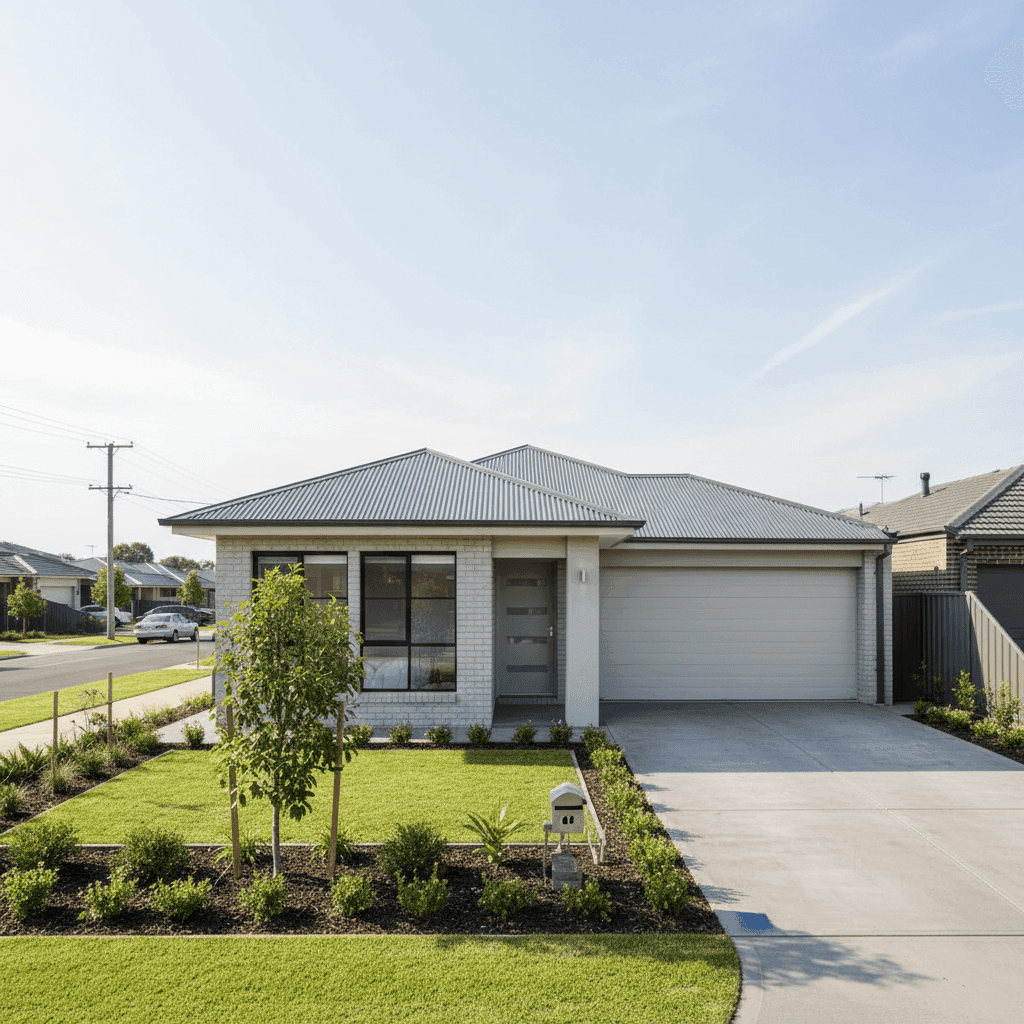
Werribee, sitting in Melbourne's fast-growing south-western corridor, has become one of Victoria's most popular destinations for families seeking space and affordability. With new estates continuing to expand across the Wyndham LGA, four-bedroom free standing homes are the backbone of the local housing market — and insuring them properly is an important part of protecting what is, for most Australians, their largest financial asset.
This article breaks down a real home and contents insurance quote for a four-bedroom, two-bathroom free standing home in Werribee (postcode 3030), comparing it against local, state and national benchmarks to help you understand whether you're getting a fair deal.
---
Is This Quote Fair?
The quote in question comes in at $1,669 per year (or approximately $163 per month) for combined home and contents cover, with a building sum insured of $595,000 and contents valued at $146,000. Both the building and contents excess are set at $1,000.
Our pricing engine rates this quote as Fair — Around Average, and the data backs that up. Based on 233 quotes collected for the Werribee 3030 area, the suburb average sits at $1,410 per year, with a median of $1,302. This quote lands above both of those figures, but that's not necessarily a red flag — the sum insured here is substantial, and the property's size and features justify a higher-than-median premium.
To put it in perspective: the 75th percentile for Werribee premiums is $1,832 per year, meaning roughly a quarter of comparable quotes come in even higher than this one. At $1,669, this policy is comfortably within the middle of the market — not the cheapest available, but far from the most expensive.
---
How Werribee Compares
One of the most striking takeaways from the data is just how affordable Werribee is compared to broader benchmarks. Consider the following:
| Benchmark | Average Premium | Median Premium |
|---|---|---|
| Werribee (3030) | $1,410/yr | $1,302/yr |
| Wyndham LGA | $1,591/yr | — |
| Victoria (state) | $2,921/yr | $2,694/yr |
| National | $2,965/yr | $2,716/yr |
Werribee homeowners are paying, on average, less than half the national average for home insurance. That's a significant advantage, and it reflects several favourable risk characteristics of the area — relatively modern housing stock, low cyclone and bushfire exposure, and well-established suburban infrastructure.
Compared to the Victorian state average of $2,921 per year, this quote is about 43% below the statewide norm. And against the national average of $2,965 per year, the savings are even more pronounced. For homeowners in coastal Queensland or bushfire-prone regional areas, premiums can be dramatically higher — Werribee's relatively benign risk profile is a genuine financial advantage.
---
Property Features That Affect Your Premium
Several characteristics of this particular property influence where its premium lands:
Brick Veneer Construction Brick veneer is one of the most common wall materials in Australian suburban homes built from the 1970s onwards, and insurers generally view it favourably. It offers solid fire resistance and durability, which can help moderate premiums compared to timber-framed or weatherboard homes.
Steel / Colorbond Roof A Colorbond roof is a strong positive from an insurance perspective. It's highly resistant to ember attack, performs well in storms, and has a long service life. Compared to older terracotta or concrete tile roofs, Colorbond can attract slightly lower premiums due to reduced maintenance risk and better weather performance.
Slab Foundation Concrete slab foundations are standard for homes of this era in Victoria and present minimal risk to insurers. There's no subfloor cavity to worry about, and slabs are generally resilient to the kind of subsidence issues that can affect older pier-and-beam homes.
Constructed in 2009 At around 16 years old, this home sits in a sweet spot for insurers. It's modern enough to meet contemporary building codes (including improved bushfire and energy standards introduced in the mid-2000s), but old enough that any construction defects would have already surfaced. Homes in this age bracket typically attract more competitive premiums than very old or very new properties.
Ducted Climate Control The presence of a ducted heating and cooling system adds to the overall replacement value of the home, which is reflected in the building sum insured. It's a feature worth documenting carefully — if you ever need to make a claim, having records of the system's brand, age and specifications will help ensure you're fully covered.
Timber / Laminate Flooring Flooring is part of the building sum insured calculation. Timber and laminate floors can be costly to replace, particularly in a 214 sqm home, so it's important these are factored into your coverage amount rather than underestimated.
No Pool or Solar Panels The absence of a pool removes a meaningful liability risk, and no solar panels means there's no additional equipment to insure or potential roof penetration points to worry about. Both factors contribute to keeping this premium on the lower end.
---
Tips for Homeowners in Werribee
1. Review your building sum insured annually Construction costs in Victoria have risen sharply over the past few years. A sum insured that was accurate in 2022 may no longer be sufficient to fully rebuild your home today. Use a qualified quantity surveyor or your insurer's rebuild cost calculator to check your figure each year — $595,000 is a reasonable estimate for a 214 sqm home, but it's worth verifying.
2. Don't underestimate your contents $146,000 in contents cover sounds like a lot, but for a four-bedroom family home it can go quickly once you account for furniture, appliances, clothing, electronics, jewellery and outdoor equipment. Do a room-by-room audit every couple of years to make sure your contents sum is keeping pace with what you actually own.
3. Consider your excess carefully A $1,000 excess on both building and contents is fairly standard, but increasing your excess is one of the most direct ways to reduce your annual premium. If you have an emergency fund and are unlikely to make small claims, a higher excess — say $2,000 — could save you a meaningful amount each year.
4. Compare at renewal time Insurance loyalty rarely pays. Insurers frequently offer better rates to new customers than to long-standing ones, so it's worth getting fresh quotes each year rather than simply accepting the renewal offer. Even if you end up staying with your current provider, the process of comparing gives you leverage to negotiate.
---
Ready to Compare Home Insurance in Werribee?
Whether you're a new homeowner in Werribee or simply reviewing your existing cover, comparing quotes is the single most effective way to ensure you're not overpaying. CoverClub makes it easy to see how different insurers price your specific property — get a quote today and find out where you stand. You can also explore detailed pricing data for your area on the Werribee suburb stats page.