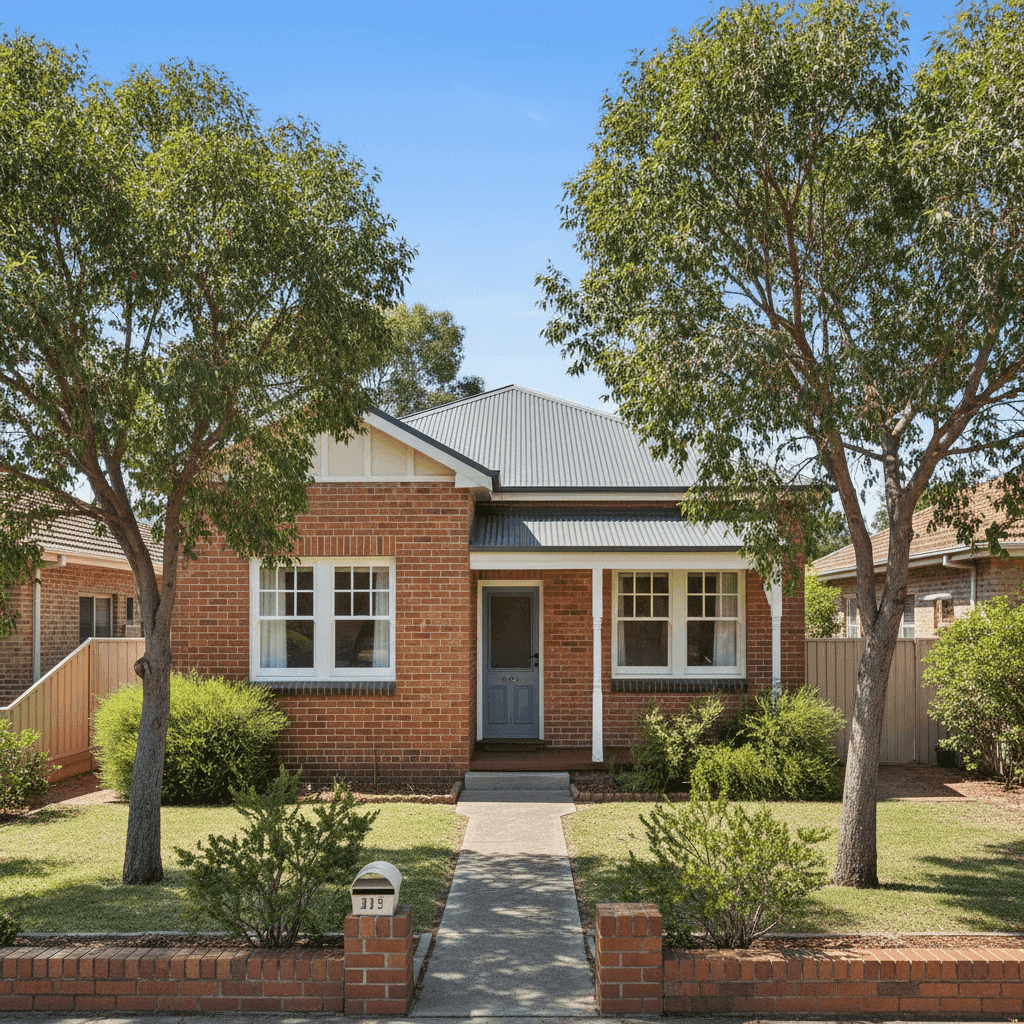
West Albury is a well-established residential suburb on the southern edge of New South Wales, sitting just north of the Victorian border in the City of Albury. Known for its leafy streets and solid older housing stock, it's a suburb where double brick homes from the mid-twentieth century are a common sight. This article breaks down a real home and contents insurance quote for a three-bedroom free standing home in West Albury (postcode 2640), examines how it stacks up against local, state, and national benchmarks, and offers practical guidance for homeowners looking to get the best value on their cover.
---
Is This Quote Fair?
The annual premium on this quote comes in at $1,172 per year (or $121/month) for a home and contents policy covering a building sum insured of $537,000 and $50,000 in contents. Our analysis rates this as Fair — Around Average.
To put that in context, the 25th percentile for home insurance premiums in West Albury sits at $1,161 per year, meaning this quote is sitting just above the cheapest quarter of the market in the suburb. It's well below the local average of $1,885/yr and the median of $1,748/yr, which is a positive sign. In practical terms, the homeowner is paying less than most of their neighbours for comparable cover — but there's still a slice of the market priced below this figure, so it's worth continuing to shop around.
The building excess of $3,000 is on the higher side and is likely contributing to the lower premium. A higher excess means the insurer carries less risk on smaller claims, which typically translates to a reduced upfront cost. The contents excess of $1,000 is more standard. Homeowners should weigh whether the savings justify the out-of-pocket exposure if a claim arises.
---
How West Albury Compares
One of the most striking takeaways from the pricing data is just how affordable West Albury is relative to the rest of New South Wales and the country at large.
| Benchmark | Premium |
|---|---|
| This quote | $1,172/yr |
| West Albury suburb average | $1,885/yr |
| West Albury suburb median | $1,748/yr |
| LGA (Snowy Valleys) average | $2,858/yr |
| NSW average | $9,528/yr |
| NSW median | $3,770/yr |
| National average | $5,347/yr |
| National median | $2,764/yr |
The NSW state average of $9,528/yr is heavily skewed by high-risk coastal and flood-prone areas, which is why the median of $3,770/yr is a more representative figure for most NSW homeowners. Even so, this West Albury quote sits well below both measures. You can explore the full breakdown of West Albury insurance statistics, compare it against NSW-wide data, or see where it lands on the national picture.
It's worth noting that the suburb sample size for West Albury is 18 quotes — a modest dataset. Averages drawn from smaller samples can shift meaningfully as more data comes in, so treat these figures as a useful guide rather than a definitive benchmark.
---
Property Features That Affect Your Premium
Several characteristics of this particular property work in the homeowner's favour from an insurance pricing perspective.
Double Brick Construction Double brick is one of the most durable and fire-resistant wall materials available. Insurers generally view it favourably because it holds up well against impact, fire, and the elements. Homes built with double brick often attract lower premiums than those with timber or clad exteriors, all else being equal.
Steel/Colorbond Roof A Colorbond steel roof is another tick in the right column. It's lightweight, corrosion-resistant, and performs well in high-wind events. Compared to older terracotta or concrete tiles — which can crack or dislodge — steel roofing tends to reduce the likelihood of weather-related claims.
Stump Foundation The home sits on stumps, which is typical for properties of this era in regional NSW. Stump foundations allow airflow beneath the floor and can be easier to inspect and repair than slab foundations. However, they can be more susceptible to movement over time, particularly in areas with reactive soils or moisture variation. Some insurers factor this into their risk assessment.
Timber/Laminate Flooring Timber and laminate floors can be expensive to replace if damaged by water or fire, which may nudge the contents and building replacement cost slightly higher. Ensuring the sum insured accurately reflects the cost of reinstatement — including flooring — is important.
Age of Construction (1930) At nearly 100 years old, this home has character but also age-related considerations. Older properties may have ageing plumbing, wiring, or structural elements that insurers price into their risk models. The double brick construction helps offset some of this concern, but it's worth ensuring the building sum insured accounts for the cost of rebuilding to current standards, not just the market value of the home.
No Pool, No Solar, No Cyclone Risk The absence of a swimming pool removes a common liability exposure. No solar panels means one less system that could be damaged or cause issues. And being outside a designated cyclone risk zone keeps the premium from attracting the loading that applies to properties in northern Australia.
---
Tips for Homeowners in West Albury
1. Review your sum insured regularly Building costs have risen significantly in recent years. A sum insured of $537,000 for a 160 sqm double brick home may be appropriate today, but it's worth rechecking annually using a building cost calculator. Being underinsured at claim time can leave you significantly out of pocket.
2. Consider whether your excess is working for you The $3,000 building excess on this policy is high. If you're unlikely to make small claims anyway, this can be a smart way to keep premiums down. But if a moderate storm or accidental damage event occurs, you'll need to cover that first $3,000 yourself. Make sure your financial position supports that buffer.
3. Bundle thoughtfully, not automatically Home and contents policies bundled together (as in this case) can offer convenience and sometimes a discount. But it's still worth getting separate quotes for building-only and contents-only cover to confirm the bundle is genuinely the best deal.
4. Check for discounts on older, well-maintained homes Some insurers offer loyalty discounts or reduced premiums for homes with updated electrical systems, new roofing, or recently renovated plumbing. If you've made improvements to this 1930s home, let your insurer know — it could work in your favour at renewal.
---
Compare Your Own Quote
Whether you're renewing your existing policy or shopping for the first time, it pays to compare. CoverClub makes it easy to see what the market looks like for your specific property and location. Get a home insurance quote today and find out if you're paying a fair price — or if there's a better deal waiting for you.