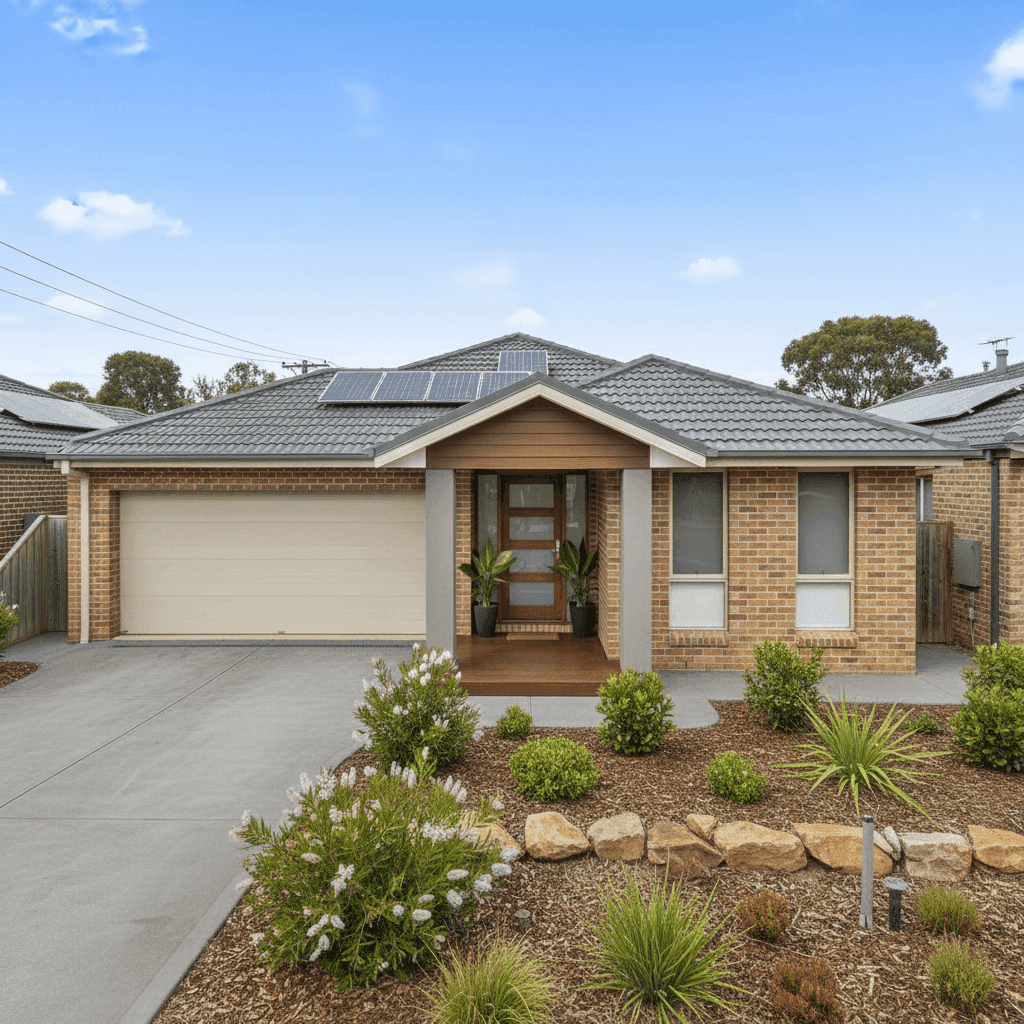
West Hoxton is a well-established suburb in Sydney's south-west, sitting within the Liverpool local government area. It's a predominantly residential area characterised by comfortable family homes — including free standing brick veneer properties like the one we're analysing today. This article breaks down a real building insurance quote for a 2-bedroom, 2-bathroom free standing home in West Hoxton (NSW 2171), compares it against local, state and national benchmarks, and offers practical advice for homeowners looking to make the most of their cover.
---
Is This Quote Fair?
The quote in question comes in at $1,354 per year (or $132 per month) for building-only cover with a $3,000 building excess and a sum insured of $250,000. Our analysis rates this as CHEAP — below average for the area.
To put that into perspective, the suburb average premium in West Hoxton sits at $2,879 per year, and the median is nearly identical at $2,881. That means this quote is roughly 53% below the suburb average — a substantial saving by any measure.
Even compared to the suburb's 25th percentile (i.e., the cheapest quarter of quotes), which sits at $2,109 per year, this quote still comes in well under. In short, this is an exceptionally competitive premium for a property of this type in this location.
It's worth noting that the building excess is set at $3,000, which is on the higher side. Insurers often offer lower premiums in exchange for a higher excess — meaning the policyholder takes on more out-of-pocket risk in the event of a claim. Whether that trade-off is worthwhile depends on your financial situation and risk appetite.
---
How West Hoxton Compares
Understanding where West Hoxton sits in the broader insurance landscape helps homeowners make more informed decisions. Here's how the numbers stack up:
| Benchmark | Annual Premium |
|---|---|
| This Quote | $1,354 |
| West Hoxton Suburb Average | $2,879 |
| West Hoxton Suburb Median | $2,881 |
| Liverpool LGA Average | $2,029 |
| NSW State Average | $3,801 |
| NSW State Median | $3,410 |
| National Average | $2,965 |
| National Median | $2,716 |
West Hoxton's suburb average of $2,879 is actually below the NSW state average of $3,801 — suggesting that, as a suburb, it benefits from relatively moderate risk factors compared to many other parts of New South Wales. The Liverpool LGA average of $2,029 is lower still, though the suburb's own figures sit above that, likely reflecting some variation in property types and insurer assessments across the broader LGA.
Nationally, the average premium is $2,965, and West Hoxton's suburb average comes in just under that — reinforcing that this is a reasonably affordable area to insure. For full suburb-level data, visit the West Hoxton insurance stats page, or explore NSW-wide insurance data and national benchmarks for broader context.
---
Property Features That Affect Your Premium
Several characteristics of this particular property influence how insurers price the risk. Here's what stands out:
Brick Veneer Construction Brick veneer walls are viewed favourably by most insurers. They offer solid fire resistance and structural durability, which typically translates to lower premiums compared to timber-framed or clad homes. This is likely a contributing factor to the competitive quote received.
Tiled Roof A tiled roof is another tick in the "low risk" column. Tiles are long-lasting, fire-resistant, and less susceptible to weather damage than corrugated iron or other materials — all of which insurers factor into their pricing models.
Concrete Slab Foundation Slab foundations are standard in many post-2000 builds and are generally considered stable and low-risk. They're less prone to movement than older pier-and-beam foundations, which can be a concern in areas with reactive soils.
Built in 2004 At around 20 years old, this home sits in a sweet spot for insurers — modern enough to meet contemporary building codes, but not so new that replacement costs are at a premium. Homes built after the 2000s typically comply with updated Australian Standards for bushfire and wind resistance, which can reduce risk assessments.
Standard Fittings The property features standard-quality fittings throughout. This is relevant primarily for contents insurance, but it also signals to insurers that the cost to repair or replace internal fixtures is unlikely to be excessive.
No Pool, Solar Panels, or Ducted Climate Control The absence of these features simplifies the risk profile. Pools, solar systems, and complex HVAC systems can all add to a premium — so not having them keeps things straightforward.
Building Size: 235 sqm At 235 square metres, this is a mid-sized home. The sum insured of $250,000 reflects a reasonable estimate for rebuilding costs, though homeowners should periodically review this figure to ensure it keeps pace with rising construction costs.
---
Tips for Homeowners in West Hoxton
1. Review Your Sum Insured Annually Construction costs in Australia have risen sharply in recent years. A sum insured that was adequate two or three years ago may no longer cover the full cost of rebuilding your home today. Use a building cost calculator or speak with a local builder to get an updated estimate, and adjust your cover accordingly.
2. Weigh Up Your Excess Carefully The $3,000 building excess on this policy is higher than average. While it contributes to a lower premium, make sure you're comfortable covering that amount out of pocket if you need to make a claim. If cash flow is a concern, it may be worth comparing quotes with a lower excess — even if the annual premium is slightly higher.
3. Don't Assume Loyalty Pays Off Many Australian homeowners stay with the same insurer year after year, assuming they're getting a fair deal. The data tells a different story — premiums can vary enormously between providers for the same property. Comparing quotes regularly is one of the most effective ways to avoid overpaying.
4. Consider Bundling Building and Contents Cover If you also need contents insurance, bundling it with your building policy through the same insurer can sometimes unlock a discount. That said, it's still worth comparing bundled versus separate policies — the savings aren't always as significant as insurers suggest.
---
Ready to Compare Home Insurance in West Hoxton?
Whether you're looking to benchmark your current policy or find a better deal from scratch, CoverClub makes it easy to compare real quotes side by side. Our data is sourced from actual insurance quotes across Australia, so you can see exactly how your premium stacks up against your neighbours and the broader market.
Get a home insurance quote for your West Hoxton property and find out if you're paying more than you should be.