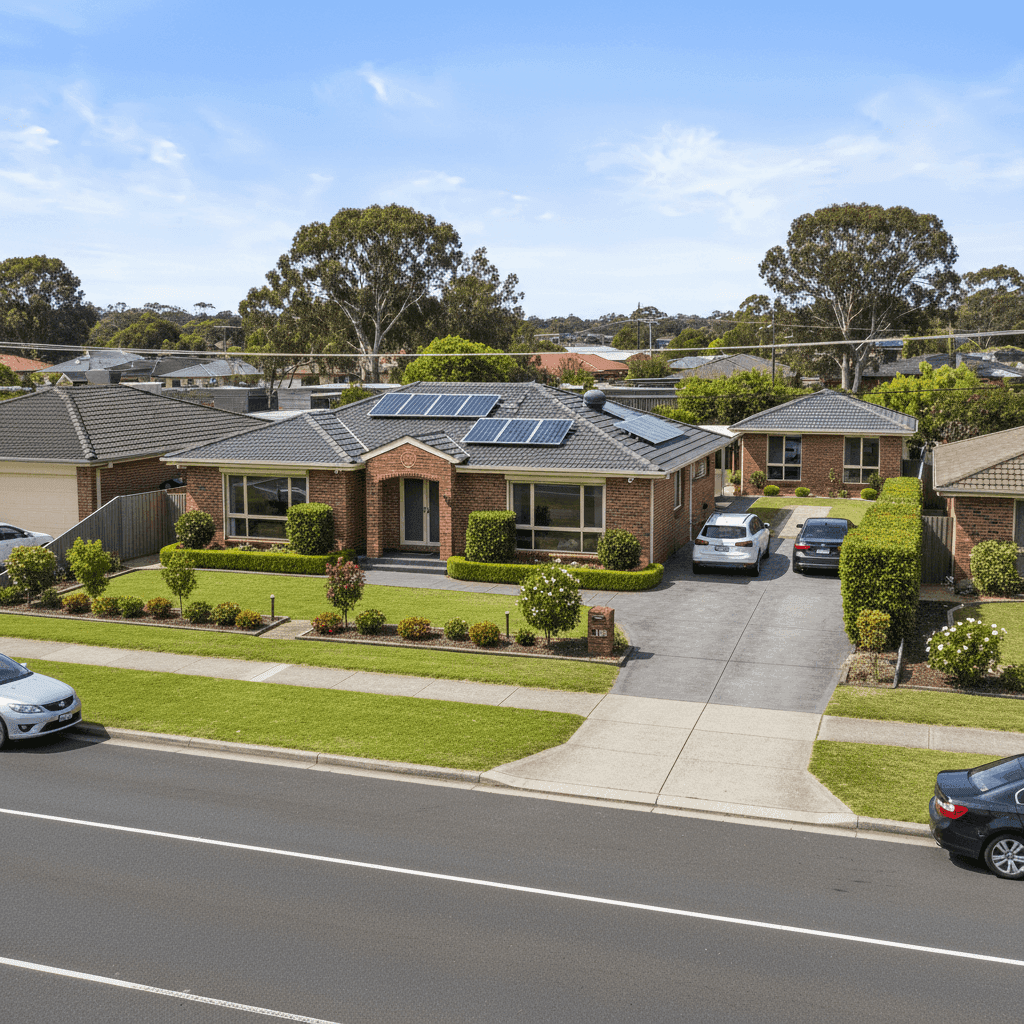
West Hoxton is a well-established residential suburb in Sydney's south-west, sitting within the Liverpool Local Government Area. Known for its family-friendly streets and generous block sizes, it's a suburb where larger homes are common — including the kind of substantial, six-bedroom free standing home we're analysing today. If you own a similar property in the area and you're wondering whether your home and contents insurance premium stacks up, this breakdown is for you.
---
Is This Quote Fair?
The annual premium for this quote comes in at $3,725 per year (or $370/month), covering both building and contents. The building sum insured is $1,431,000 and the contents are covered for $106,000, with a $1,000 excess applying to both.
Our price rating for this quote is Fair — Around Average, which means it's broadly in line with what similar properties in the area are attracting. It's not a standout bargain, but it's also not overpriced. Given the size and features of this property — six bedrooms, three bathrooms, a granny flat, solar panels, and ducted climate control — a premium in this range is understandable.
It's worth noting that "fair" doesn't mean you can't do better. Insurers price risk differently, and for a home with this many features and this level of sum insured, shopping around can still yield meaningful savings.
---
How West Hoxton Compares
To put this quote in context, here's how it sits against the broader market:
| Benchmark | Premium |
|---|---|
| This Quote | $3,725/yr |
| West Hoxton Suburb Average | $2,879/yr |
| West Hoxton Suburb Median | $2,881/yr |
| West Hoxton 25th Percentile | $2,109/yr |
| West Hoxton 75th Percentile | $3,773/yr |
| NSW State Average | $3,801/yr |
| NSW State Median | $3,410/yr |
| National Average | $2,965/yr |
| National Median | $2,716/yr |
| Liverpool LGA Average | $2,029/yr |
At $3,725/yr, this quote sits above the suburb average and median, but comfortably within the suburb's 75th percentile of $3,773. That means roughly three-quarters of quotes in West Hoxton come in cheaper — though many of those will be for smaller properties with lower sums insured.
Compared to the NSW state average of $3,801/yr, this quote is actually slightly below average — a positive sign. And against the national average of $2,965/yr, it looks higher, but that's largely because national figures are pulled down by lower-cost regional areas where property values and rebuild costs are significantly less.
The Liverpool LGA average of $2,029/yr is notably lower, but that figure likely reflects a broader mix of property types and sizes across the LGA, including smaller and lower-value homes.
You can explore more localised data for this postcode on the West Hoxton suburb stats page.
---
Property Features That Affect Your Premium
Several characteristics of this property directly influence what insurers charge. Understanding these can help you make sense of your quote — and potentially negotiate a better one.
Size and Sum Insured
At 235 sqm with six bedrooms and three bathrooms, this is a large home. The building sum insured of $1,431,000 reflects the cost to fully rebuild the property, which for a home of this size in Sydney's south-west is not unreasonable. A higher sum insured naturally means a higher premium, as the insurer's potential liability is greater.
Brick Veneer Walls and Tiled Roof
Brick veneer construction with a tiled roof is one of the most common — and insurer-friendly — combinations in Australian suburban homes. Both materials offer solid fire resistance and durability, which generally attracts more competitive premiums compared to timber-framed or steel-clad homes.
Slab Foundation
A concrete slab foundation is standard for homes built in this era and region. It's considered low-risk by most insurers and doesn't typically add a loading to your premium.
Solar Panels
Solar panels are increasingly common on Australian rooftops, but they do add complexity to a home insurance policy. Panels need to be specifically covered under your building insurance, and some insurers place limits on their coverage or charge a small additional premium. It's worth confirming with your insurer exactly what's covered — including damage to the panels themselves and any liability if a panel causes a fire.
Ducted Climate Control
Ducted air conditioning systems are a significant fixed asset in any home. Because they're integrated into the building's structure, they're typically covered under building insurance rather than contents. Their inclusion in the rebuild cost contributes to a higher sum insured.
Granny Flat
The presence of a granny flat is an important factor. A secondary dwelling on the same property increases the total rebuild cost and may also introduce additional liability considerations — particularly if the flat is rented out. Homeowners should ensure their policy explicitly covers the granny flat structure and, if applicable, any landlord-related risks.
No Pool, No Cyclone Risk
The absence of a swimming pool removes one source of liability risk that insurers factor in. And being outside a designated cyclone risk zone means this property avoids the significant premium loadings that apply in parts of Queensland and northern Australia.
---
Tips for Homeowners in West Hoxton
1. Make sure your sum insured reflects current rebuild costs Construction costs have risen sharply in recent years. If your building sum insured hasn't been reviewed lately, it may be out of date — leaving you underinsured in the event of a total loss. Use a building cost calculator or speak with a quantity surveyor to validate your figure.
2. Confirm your granny flat is fully covered Not all standard home insurance policies automatically extend to a secondary dwelling. Check your Product Disclosure Statement (PDS) carefully and ask your insurer directly whether the granny flat is included in your building cover — and under what conditions.
3. Review your solar panel coverage Ask your insurer whether your solar panels are covered for accidental damage, storm damage, and electrical faults. Some policies cap the value they'll pay out on panels, which may not be enough to replace a modern system.
4. Compare quotes before your renewal date Given that this quote sits above the suburb average, it's worth taking 15 minutes before your next renewal to compare alternatives. Even a modest saving of $300–$500 per year adds up significantly over time.
---
Ready to Compare?
Whether you're reviewing an existing policy or shopping for cover on a new property, comparing quotes is the smartest first step. Get a home insurance quote at CoverClub and see how your premium stacks up against real market data — in minutes, not hours.