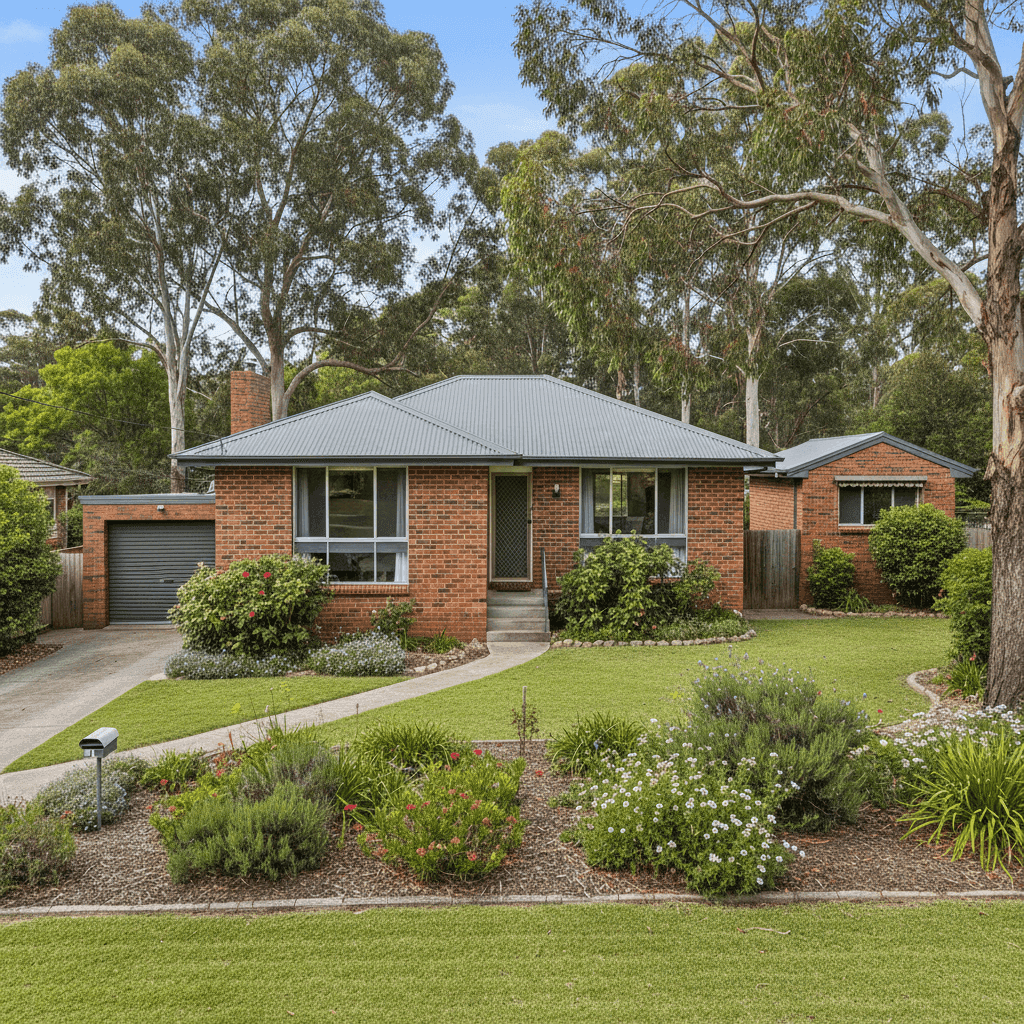
West Pennant Hills is one of Sydney's leafy, well-established suburbs on the Upper North Shore — a mix of generous blocks, mature trees, and family homes that have stood for decades. For owners of a free standing home in this area, understanding what you should be paying for building insurance is just as important as knowing the value of the structure itself. This article breaks down a real building-only insurance quote for a 4-bedroom, 3-bathroom brick veneer home in West Pennant Hills (NSW 2125), and puts the numbers into context so you can judge whether your own premium is fair.
---
Is This Quote Fair?
The annual premium for this property came in at $1,573 per year (or roughly $154 per month), covering the building only with a sum insured of $514,000 and a building excess of $2,000.
CoverClub rates this quote as CHEAP — below average for the suburb. That's a meaningful finding. In a market where insurance premiums have been climbing steadily across Australia, landing below the local average is genuinely good news for this homeowner.
To put it plainly: this quote sits $894 below the suburb average of $2,467/yr and $433 below the suburb median of $2,006/yr. It even undercuts the suburb's 25th percentile benchmark of $1,687/yr — meaning it's cheaper than at least three-quarters of comparable quotes collected in this postcode. For a 214 sqm home built in 1970 with a granny flat on the property, that's a competitive result worth noting.
---
How West Pennant Hills Compares
Benchmarking your premium against the right reference points matters. Here's how this quote stacks up across different geographic scales:
| Benchmark | Annual Premium |
|---|---|
| This Quote | $1,573 |
| Suburb Average (2125) | $2,467 |
| Suburb Median (2125) | $2,006 |
| Suburb 25th Percentile | $1,687 |
| LGA Average (Hornsby) | $3,958 |
| NSW Average | $9,528 |
| NSW Median | $3,770 |
| National Average | $5,347 |
| National Median | $2,764 |
A few things stand out here. The NSW state average of $9,528 is heavily skewed by high-risk coastal and flood-prone areas, which is why the median of $3,770 is a more reliable comparison point for a suburb like West Pennant Hills. Even against that more moderate benchmark, this quote is still 58% cheaper than the NSW median.
At the LGA level, the Hornsby Council average sits at $3,958/yr — more than double this quote. That gap is significant and likely reflects a wide range of property types, ages, and risk profiles across the Hornsby LGA, from bushfire-exposed rural-residential lots to more protected suburban streets.
It's worth noting the suburb sample size is 11 quotes, which is a reasonable but not large dataset. As more data flows through West Pennant Hills suburb stats, these benchmarks will become even more reliable.
---
Property Features That Affect Your Premium
Several characteristics of this property likely contribute to its competitive premium. Understanding these factors helps you see why insurers price the way they do.
Brick veneer construction is generally viewed favourably by insurers. It offers solid fire resistance and structural durability compared to weatherboard or lightweight cladding, which can translate to lower rebuild risk and, in turn, lower premiums.
Steel/Colorbond roofing is another positive signal. Colorbond is lightweight, corrosion-resistant, and performs well in both heat and moderate wind events. It's a low-maintenance roofing material that tends to attract more competitive pricing than older terracotta tiles or asbestos-era materials.
Stumps foundation (also known as pier and beam) is common in homes of this era and is generally manageable from an insurance perspective, though it can be a flag for subsidence or pest-related risk in some areas. In West Pennant Hills, this is a fairly standard construction feature for homes built around 1970.
The granny flat is worth highlighting. Secondary dwellings add to the overall rebuild cost and complexity of a claim. However, the sum insured of $514,000 appears to account for this, and the premium remains competitive — suggesting the insurer is comfortable with the overall risk profile.
No pool, no solar panels, and no cyclone risk all work in this property's favour. Each of those features can add complexity and cost to a policy. Their absence keeps things straightforward.
Ducted climate control is present, which adds some replacement value to the building, but this is already factored into the sum insured and doesn't appear to have pushed the premium upward significantly.
The property's slight elevation (less than 1 metre) and tile flooring are relatively neutral factors from an underwriting perspective in this suburb.
---
Tips for Homeowners in West Pennant Hills
Whether you're renewing your policy or shopping around for the first time, here are four practical steps to make sure you're getting the best value:
- Check your sum insured annually. Building costs have risen sharply in recent years due to labour shortages and material price increases. A sum insured set a few years ago may no longer reflect the true cost of rebuilding your home — including the granny flat. Under-insurance is one of the most common and costly mistakes homeowners make.
- Don't assume loyalty pays off. Many insurers offer better rates to new customers than to existing ones. If your premium has crept up at renewal time, it's worth getting a fresh quote elsewhere. The gap between the cheapest and most expensive quotes in West Pennant Hills is substantial — as this data shows.
- Consider your excess carefully. This policy carries a $2,000 building excess. A higher excess typically reduces your premium, but make sure you can comfortably cover that amount out of pocket in the event of a claim. Finding the right balance between excess and premium is a personal financial decision.
- Review your bushfire and storm risk. West Pennant Hills is surrounded by bushland corridors, and parts of the suburb can be exposed to ember attack during fire seasons. Confirm with your insurer that your policy includes adequate cover for fire damage and storm-related events, and check whether any specific exclusions apply to your block.
---
Compare Your Home Insurance Quote
If you're a homeowner in West Pennant Hills or anywhere across Australia, it pays to see what the market is offering before you commit to a policy. CoverClub makes it easy to compare building and contents insurance quotes side by side, with real pricing data from across your suburb and state.
Get a quote today at CoverClub and find out whether your current premium is truly competitive — or whether there's a better deal waiting for you.