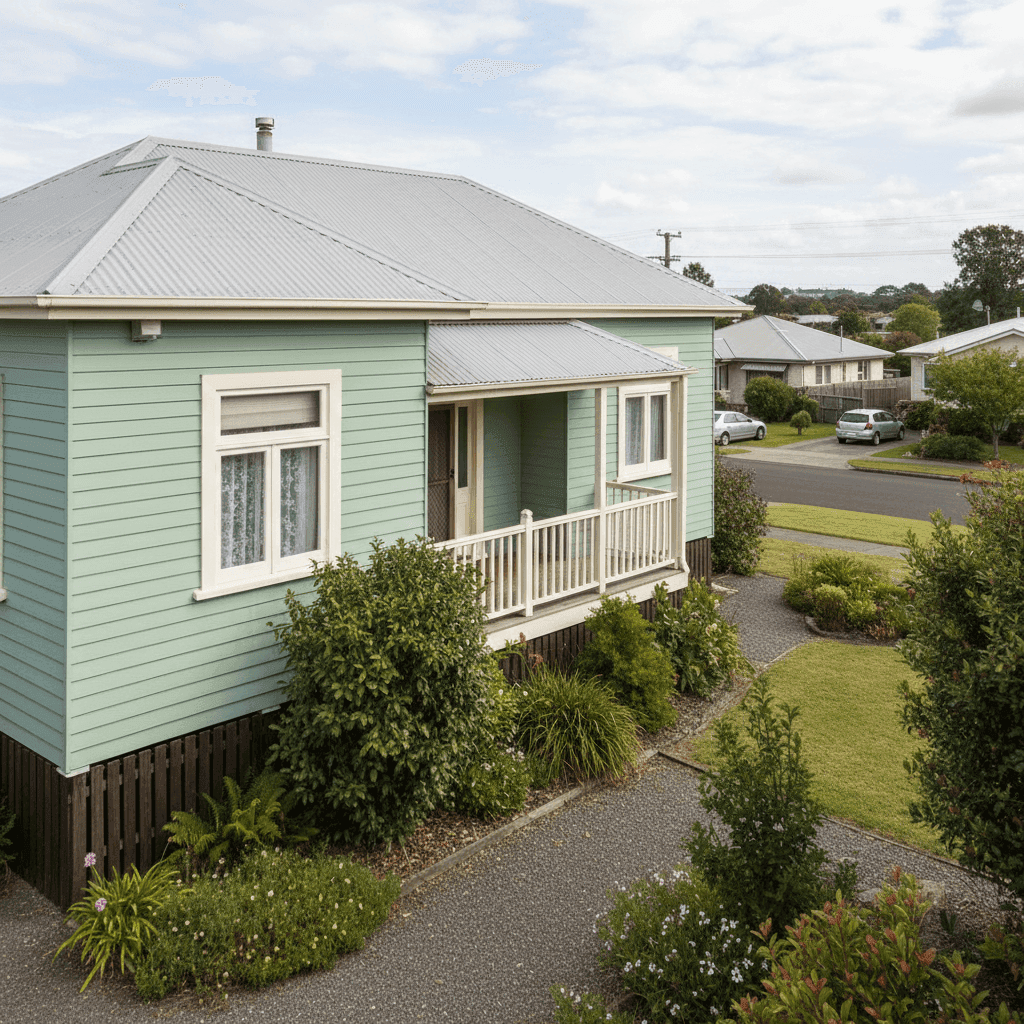
West Ulverstone is a quiet residential pocket on Tasmania's picturesque north-west coast, and like many established suburbs in the region it offers a mix of classic timber homes and relaxed coastal living. If you own a free standing home here — particularly an older weatherboard property — understanding what you're paying for home and contents insurance, and whether that figure is competitive, is well worth your time. This article breaks down a real insurance quote for a three-bedroom, two-bathroom free standing home in West Ulverstone (postcode 7315), and puts the numbers in context so you can make a more informed decision.
---
Is This Quote Fair?
The quote in question comes in at $1,962 per year (or $188 per month) for combined home and contents cover, with a building sum insured of $582,000 and contents valued at $50,000. Both the building and contents excess are set at $1,000.
Our pricing tool has rated this quote as FAIR — around average for the area. That's a reasonable outcome. It sits just $25 above the suburb average of $1,937/yr and is actually $75 below the suburb median of $2,037/yr. In practical terms, this homeowner is paying roughly what most of their neighbours pay — neither a standout bargain nor an overpriced outlier.
It's worth noting that the suburb data is drawn from a sample of seven quotes, so the figures give a useful directional guide rather than a statistically exhaustive benchmark. That said, landing within the middle band of the local pricing range — between the 25th percentile of $1,486/yr and the 75th percentile of $2,400/yr — suggests the quote is broadly in line with market expectations for this type of property.
---
How West Ulverstone Compares
One of the more striking takeaways from this data is just how affordable West Ulverstone is relative to broader benchmarks. Here's a quick snapshot:
| Benchmark | Premium |
|---|---|
| This quote | $1,962/yr |
| West Ulverstone suburb average | $1,937/yr |
| West Ulverstone suburb median | $2,037/yr |
| LGA (Kentish) average | $2,013/yr |
| Tasmania state average | $2,814/yr |
| Tasmania state median | $2,326/yr |
| National average | $5,347/yr |
| National median | $2,764/yr |
Compared to the Tasmanian state average of $2,814/yr, this quote represents a saving of over $850 annually — a meaningful difference. Against the national average of $5,347/yr, the gap is even more dramatic, though it's important to acknowledge that national averages are heavily skewed by high-risk areas such as flood-prone regions in Queensland and New South Wales, as well as cyclone-prone parts of northern Australia.
Still, even measured against the national median of $2,764/yr, West Ulverstone homeowners are coming out ahead. The suburb-level data for West Ulverstone paints a picture of a relatively low-risk, moderately priced insurance market — good news for local property owners.
---
Property Features That Affect Your Premium
Several characteristics of this particular property influence how insurers assess and price the risk. Understanding these factors can help you anticipate where your premium sits and what might shift it up or down.
Age of construction (1953) Homes built in the early 1950s carry some additional risk in the eyes of insurers. Ageing plumbing, wiring, and structural elements can increase the likelihood of a claim, and replacement costs for period-style features can be higher than for modern builds. This property's 1953 construction date is likely a modest upward factor in its premium.
Weatherboard timber walls Weatherboard is one of the most common external wall materials in Tasmania's older housing stock, and it comes with specific considerations. Timber is more susceptible to fire and moisture damage than brick or rendered masonry, which can nudge premiums slightly higher. It also requires more maintenance to keep it in good condition and insurable at full replacement value.
Steel/Colorbond roof On the positive side, a Colorbond steel roof is viewed favourably by most insurers. It's durable, low-maintenance, fire-resistant, and performs well in high-wind conditions. This is likely a moderating influence on the premium.
Stumped foundation The property sits on stumps, which is typical of older Tasmanian homes. While this construction style allows for good underfloor ventilation, it does introduce some vulnerability — particularly to storm and wind events, as well as potential subsidence over time. Insurers factor this in, though it's rarely a dramatic premium driver on its own.
Timber and laminate flooring Flooring type plays a minor role in contents and building valuation. Timber floors can be costly to repair or replace following water damage, which is worth keeping in mind when assessing your sum insured.
Ducted climate control The presence of a ducted climate control system adds to the replacement value of the home. These systems can cost several thousand dollars to replace, so it's important that your building sum insured adequately accounts for this.
No pool, no solar panels The absence of a swimming pool and solar panel system simplifies the risk profile. Pools add liability considerations, and solar installations introduce electrical complexity — so not having either of these features keeps things straightforward from an underwriting perspective.
---
Tips for Homeowners in West Ulverstone
1. Review your building sum insured regularly With construction costs rising across Australia, the cost to rebuild a home has increased significantly in recent years. A 169 sqm weatherboard home with standard fittings, timber floors, and ducted climate control could cost considerably more to rebuild today than it would have even three years ago. Make sure your $582,000 sum insured still reflects current rebuild costs — a free quantity surveyor estimate or an online calculator can help you check.
2. Consider your excess carefully Both excesses on this policy are set at $1,000. Opting for a higher excess (say, $1,500 or $2,000) can reduce your annual premium meaningfully. If you have a solid emergency fund and are unlikely to make small claims, a higher excess could be a smart way to lower your ongoing costs.
3. Maintain your weatherboard exterior From an insurance perspective, keeping your home in good repair is important. Weatherboard walls that are cracked, rotting, or poorly maintained can affect your ability to claim — or even your eligibility for cover. Regular painting and timber treatment is both a maintenance best practice and a way to protect your insurable interest.
4. Compare quotes at renewal time Even if your current premium feels reasonable, the insurance market moves. Insurers adjust their risk models, and new competitors enter the market regularly. Running a comparison at renewal — rather than simply auto-renewing — could save you hundreds of dollars without any reduction in cover.
---
Ready to Compare Home Insurance in West Ulverstone?
Whether you're reviewing an existing policy or shopping for cover on a new purchase, comparing multiple quotes is the single most effective way to make sure you're not overpaying. CoverClub makes it easy to see how your premium stacks up against local and national benchmarks. Get a home insurance quote today and find out if there's a better deal waiting for you.